Should You Buy Building Blocks for a 12-Year-Old? A Comprehensive Guide for Parents
Introduction
The question “Should I buy building blocks for a 12-year-old?” is one that many parents, relatives, and gift-givers find themselves asking. At first glance, building blocks — often associated with toddlers and preschoolers — may seem too childish for a preteen who is more interested in video games, social media, or sports. Yet the modern world of construction toys has evolved dramatically. From intricate LEGO Technic sets to programmable robotics kits and architectural model systems, building blocks for ages 12+ are anything but simple. They offer sophisticated challenges that engage the adolescent mind in ways that passive entertainment cannot. This article examines the developmental benefits, potential drawbacks, selection strategies, and expert insights to help you make an informed decision. By the end, you will have a clear understanding of whether a set of building blocks is a worthwhile investment for a 12-year-old — and if so, which type best suits their personality and interests.
The Developmental Benefits of Building Blocks for Preteens
Cognitive Growth and Problem-Solving Skills
Adolescence is a critical period for cognitive development, particularly the transition from concrete to abstract thinking, as described by Jean Piaget’s theory of formal operational stage. Building blocks — especially complex sets with gears, pulleys, and programmable components — force the builder to think in terms of cause and effect, spatial relationships, and systems logic. When a 12-year-old follows a 400-step instruction manual or designs an original structure, they are practicing sequential reasoning, planning, and troubleshooting. Research in educational psychology consistently shows that hands-on construction activities improve mental rotation ability, a key predictor of success in STEM fields. Unlike screen-based puzzles, physical blocks provide immediate tactile feedback: a gear that doesn’t mesh or a tower that wobbles demands real-world adjustment, teaching resilience and iterative thinking.
Creativity and Self-Expression
Contrary to the stereotype that blocks are only about following instructions, many building sets are designed for open-ended creation. Classic brick boxes, magnetic tiles, and modular systems allow a 12-year-old to transform a pile of plastic into a spaceship, a cityscape, or a working mechanical sculpture. This process nurtures divergent thinking — the ability to generate multiple solutions to a problem. It also offers a healthy outlet for stress and emotional regulation. For preteens navigating social pressures and academic demands, building can serve as a form of meditation. The satisfaction of completing a complex model or inventing something original boosts self-esteem and provides a tangible sense of accomplishment that grades and likes on social media cannot always deliver.
Focus, Patience, and Delayed Gratification
In an era of instant notifications and short-form content, building blocks require sustained attention. A 1,000-piece LEGO Architecture set may take several hours or even days to finish. This long-term engagement trains the brain to delay gratification — a skill strongly linked to academic and life success, as demonstrated in the famous Stanford marshmallow experiments. Younger children often lack the attention span for such tasks, but a typical 12-year-old possesses the executive function to break down a large project into manageable steps. Completing a challenging build reinforces the value of persistence and meticulousness, qualities that directly transfer to schoolwork and future careers.
Cultivating an Interest in STEM
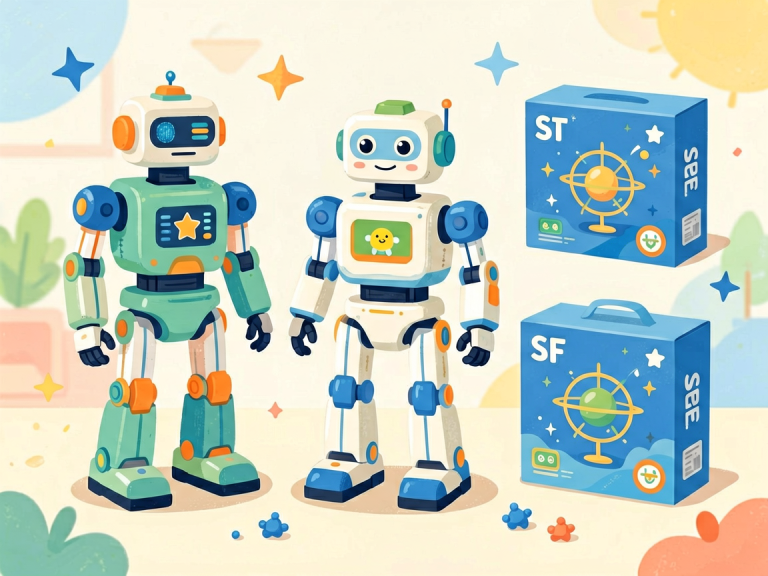
Many building blocks on the market today are explicitly educational. LEGO Mindstorms, SPIKE Prime, and third-party robotics kits introduce principles of engineering, physics, and basic programming. A 12-year-old building a motorized car learns about gear ratios, torque, and friction. A set that incorporates sensors and a microcontroller teaches conditionals and loops through trial and error. According to a 2022 report from the National Science Foundation, hands-on construction activities are among the most effective ways to spark and sustain interest in science and technology, especially for middle school students who are forming their academic identities. For a child who shows any curiosity about how things work, buying building blocks is not just a gift — it’s an investment in their future.
Addressing Common Concerns and Potential Drawbacks
Is It Too Babyish? The Age-Appropriateness Question
The most frequent hesitation is that a 12-year-old might perceive building blocks as “baby toys.” This concern is valid but largely outdated. Modern building sets are marketed directly to teens and adults. LEGO’s Age 18+ series includes intricate floral arrangements, realistic car models, and architectural landmarks like the Taj Mahal. The branding, packaging, and complexity are tailored to mature builders. Moreover, many 12-year-olds are still in a transitional phase where they enjoy both youthful and advanced activities. A well-chosen set — for example, a LEGO Technic bulldozer with pneumatic functions or a NASA Apollo Saturn V rocket — carries a cool factor that can override any stigma. The key is to match the theme to the child’s current passions: if they love space, engineering, or fantasy movies, there is likely a building set that aligns perfectly.
Competition from Screens and Social Life
Another realistic worry is that a 12-year-old will neglect the blocks after a few minutes in favor of a tablet or smartphone. This can happen, but the same risk applies to any physical toy. The solution is not to avoid buying blocks but to choose sets that offer a compelling alternative to screen time. Robotics kits that connect to a computer or app, for instance, combine digital engagement with physical building — a hybrid approach that appeals to tech-savvy kids. Additionally, building can become a social activity. Inviting a friend to collaborate on a large model or joining a local LEGO club transforms it from a solitary hobby into a shared experience. Parents can also participate, turning building sessions into quality bonding time.
Cost and Storage Issues
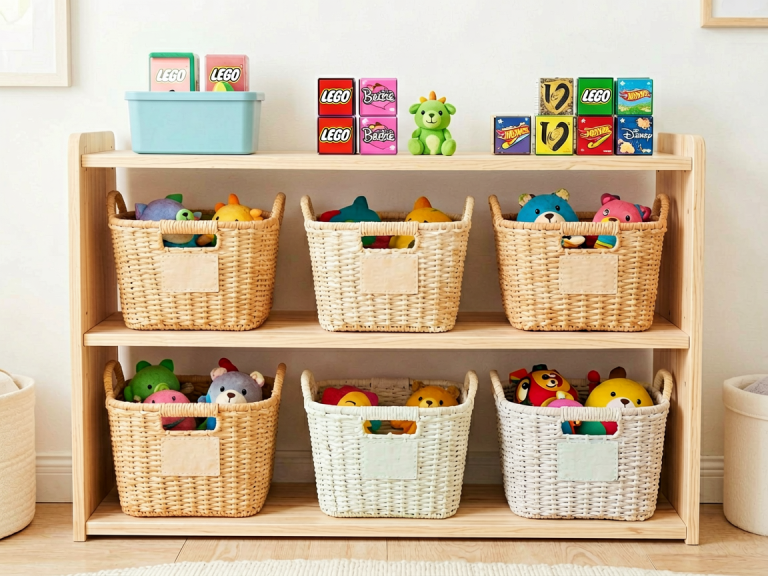
High-quality building blocks are not cheap. A substantial LEGO set can cost from $50 to over $300, and specialized robotics kits may be even pricier. However, compared to video game consoles (which can cost hundreds and require ongoing subscriptions), building blocks are often a one-time investment that can be dismantled and rebuilt in countless ways. Pieces retain resale value, and many families pass sets to younger siblings. Storage is a real consideration, especially for small parts. A dedicated bin or organizer is advisable. But the mess is manageable, and the developmental payoff far outweighs the inconvenience.
The Risk of Not Matching Interests
Perhaps the greatest risk is buying a set that does not interest the child. A 12-year-old who loves art might disdain a mechanical engineering kit, while a budding programmer might find a static architecture model dull. The solution: involve the child in the selection process. Show them catalogues or online reviews. Let them choose. If you want it to be a surprise, consider a gift card or a starter set from a versatile brand like LEGO Classic (which includes many generic bricks) so they can build whatever they imagine, not just a predetermined model.
How to Choose the Right Building Blocks for a 12-Year-Old
Assess the Child’s Building Experience and Skill Level
Not all 12-year-olds have the same experience with construction toys. Some have been building since age 4 and can handle sets with 2,000+ pieces and advanced mechanisms. Others may be new to the hobby. A good rule of thumb: look for age recommendations on the box. Sets labeled “10+” or “12+” are designed for middle schoolers, with reasonable complexity and clear instructions. For a beginner, start with a medium-sized set (300–600 pieces) that offers clear guidance but also some room for creativity. For an experienced builder, consider “14+” or “18+” sets that involve intricate techniques like SNOT (Studs Not On Top) building, gears, and sub-assemblies.
Match the Theme to the Child’s Passions
The most successful gifts align with the child’s existing interests. Here are some common profiles:
- Future engineer: LEGO Technic (cars, cranes, airplanes with working motors and pneumatics); LEGO Mindstorms Robot Inventor (programmable robotics); Meccano Erector sets; or even K’NEX roller coasters.
- Movie or game fan: LEGO sets from Harry Potter, Star Wars, Marvel, Minecraft, or Nintendo (the LEGO Super Mario sets are interactive and combine physical building with a digital app).
- Architecture lover: LEGO Architecture series (e.g., the Eiffel Tower, the Statue of Liberty) or the National Geographic building block sets that replicate famous landmarks.
- Artistic or creative type: LEGO Art sets (mosaics of pop culture icons), Nanoblock micro-sized blocks, or open-ended wooden blocks like Kapla planks, which allow for pure imagination.
- STEM enthusiast: Makeblock mBot, littleBits, Snap Circuits, or Fischertechnik education kits that teach electronics and coding.
Consider Open-Ended vs. Model-Specific Sets
Some building blocks come only with instructions for a specific model (e.g., a LEGO Creator 3-in-1 set that can be rebuilt into three different designs). Others are purely open-ended, like a large tub of basic bricks. For a 12-year-old, a combination works best: a guided set to build confidence and a small collection of generic bricks for free play. Many advanced builders enjoy the process of “reverse engineering” — modifying an existing model or combining pieces from multiple sets to create something new.
Think About Extras: Electronics, Motors, and Software
If you want a truly educational experience, look for kits that integrate technology. For example, the LEGO SPIKE Prime set includes a programmable hub, sensors, and motors, and uses a drag-and-drop coding language similar to Scratch. Such kits teach real coding concepts without requiring a separate computer. Similarly, littleBits electronic building blocks snap together magnetically, allowing a child to invent gadgets like a light-sensitive alarm or a fan controller. These add an extra layer of engagement that goes beyond static building.
Budget and Value for Money
You don’t need to spend a fortune. Smaller thematic sets (around $30–$50) can provide hours of enjoyment. If the child shows sustained interest, you can expand the collection over birthdays and holidays. Some brands offer subscription boxes that deliver a new project each month, which can be a cost-effective way to keep the hobby fresh. Also, consider second-hand marketplaces: many families sell used LEGO in bulk at low prices. The pieces are durable and can be sanitized easily.
Expert Opinions and Research Insights
Educational psychologists and child development experts overwhelmingly support construction play for adolescents. Dr. Amanda Gummer, a child psychologist and founder of the Good Toy Guide, states that “building toys for teens are excellent for developing executive function skills, such as planning, organization, and self-monitoring.” She notes that the teenage brain is highly plastic and that structured yet creative tasks strengthen neural pathways related to problem-solving.
A 2021 study published in the *Journal of Experimental Child Psychology* found that middle school students who engaged in construction play (with blocks or LEGO) showed significant improvements in their ability to visualize three-dimensional objects — a skill directly linked to success in geometry and later in fields like architecture and engineering. Additionally, the collaborative aspect of building with peers or parents fosters communication and teamwork.
Montessori education, which emphasizes hands-on learning, has long advocated for manipulative materials even for older children. The concrete nature of building blocks helps abstract concepts — like leverage, balance, and symmetry — become tangible. In a world where education often prioritizes rote memorization, the act of building provides a much-needed kinesthetic learning experience.
Practical Considerations for Parents
Involve the Child in the Decision
Before purchasing, have a conversation. Ask questions like: “What kind of things do you enjoy building?” or “Have you ever tried a LEGO set? What did you like about it?” If the child shows indifference, you might start with a small, inexpensive set as a trial. Many libraries and community centers have LEGO clubs where kids can try before you buy.
Create a Suitable Building Environment
A dedicated space — a desk or a corner of the living room — where the child can leave a half-finished project without it being disturbed is crucial. Interrupting a multi-day build discourages completion. A good lighting, a sorting tray, and a comfortable chair make the experience more enjoyable.
Use Building as a Connection Tool
Building together with a 12-year-old offers a rare chance for one-on-one time without screens. You can listen to music or talk while sorting pieces. The shared accomplishment of completing a model strengthens the parent-child bond and provides a positive memory.
Plan for After the Build
Many children build a set, display it for a week, and then forget it. That’s fine, but you can extend the value by encouraging modifications. Ask: “What if you added a second floor?” or “Can you make this car into a boat?” Some families create a “build and rebuild” tradition where the model stays for a month and then gets dismantled for a new creation. This prevents the toy from turning into a dust collector.
Conclusion: Making the Decision
So, should you buy building blocks for a 12-year-old? The answer is a nuanced but enthusiastic “yes” — provided you choose wisely. Building blocks are far from childish; they are sophisticated tools for cognitive development, creativity, and STEM engagement. They offer a counterbalance to the passive consumption of digital media, teaching patience, persistence, and pride in one’s work. The potential drawbacks — perceived babyishness, cost, or lack of interest — can be mitigated by selecting a set that aligns with the child’s passions and skill level, and by treating the gift as an invitation to a creative journey rather than a one-off toy.
If the 12-year-old in your life is curious, enjoys hands-on activities, or simply needs a productive outlet for their energy, a set of building blocks could be one of the most meaningful presents you give. It is a gift that says, “I believe in your ability to create something amazing.” And that message, delivered in plastic bricks, may well spark a lifelong love of learning and invention.