Beyond the Brick: The Best Alternatives to LEGO-Style Bricks for Babies
Introduction: Why Babies Need Different Building Blocks
When we think of building toys, LEGO bricks often come to mind first. Their satisfying click, endless possibilities, and iconic design have made them a staple in childhood playrooms for generations. However, for babies—typically defined as children from birth to around 18 months or even up to 2 years—standard LEGO bricks pose significant safety and developmental challenges. The tiny pieces are a choking hazard, the sharp edges can cause injury, and the fine motor skills required to interlock them are far beyond a baby’s capabilities. Worse still, hard plastic bricks can be uncomfortable for teething mouths and may cause frustration when a baby’s clumsy grip fails to achieve the perfect connection.
Fortunately, the toy industry has responded to these concerns with a rich variety of alternatives designed specifically for the youngest builders. These alternatives prioritize safety, sensory development, gross motor skills, and open-ended play—all while preserving the core joy of stacking, knocking down, and creating. In this article, we will explore the best alternatives to LEGO-style bricks for babies, examining their unique features, developmental benefits, and top recommendations. Whether you are a parent, caregiver, or educator, understanding these options will help you choose the perfect building toy for the little hands and curious minds in your care.
—
1. Soft Building Blocks: Safe, Squishy, and Sensory-Friendly
The most obvious and immediate alternative to hard plastic bricks is soft blocks. These are typically made from foam, fabric, or silicone and are designed to be safe for babies at every stage of development. Soft blocks eliminate the risk of injury from falling hard objects, and their pliable texture makes them ideal for teething, chewing, and squeezing.
Why they work for babies:
Soft blocks are lightweight, easy to grasp, and often come in large sizes that prevent swallowing. Many sets include textured surfaces, crinkle paper inserts, or squeakers that stimulate auditory and tactile senses. For babies aged 3 to 12 months, soft blocks encourage batting, reaching, and eventually stacking. As the child grows, they can begin to stack two or three blocks without frustration, because the blocks do not require precise alignment—they simply rest on top of each other.
Top features to look for:
- Non-toxic, BPA-free materials
- Machine washable covers
- Bright, contrasting colors for visual development
- Include mirrors, bells, or teething edges
Recommended brands:
- *Bright Starts Oombee*: These silicone blocks are soft yet sturdy, with a unique shape that makes them easy for babies to grip. They are also dishwasher-safe.
- *Fisher-Price Rock-a-Stack*: While not exactly a block set, this classic toy introduces stacking in a safe, rounded format.
- *Edushape Soft Building Blocks*: With a textured foam core and vibrant colors, these blocks are perfect for early construction play.
Soft blocks are best for babies from birth to around 18 months. They do not require any force to connect, making them a true “no-fail” building experience that builds confidence.
—
2. Large Duplo-Style Blocks: The Gateway to Traditional Building
If you want a transition that still feels like LEGO but is scaled for babies, look no further than LEGO Duplo. Duplo bricks are exactly twice the size of standard LEGO bricks, making them large enough to pose no choking hazard for children under three. They interlock with a similar satisfying click but require much less fine motor precision, making them accessible to toddlers as young as 18 months.
Why they work for babies:
Duplo sets are designed for hands that are still developing dexterity. The large size means babies can hold a single brick in their palm and still have enough surface area to push it onto another. The connection is loose enough that a gentle push will work, yet firm enough that a structure stays upright. Duplo bricks also come in a wide array of themes—animals, vehicles, farmhouses—that spark imaginative play beyond simple stacking.
Safety considerations:
While Duplo is safe for most babies over 12 months (always check age recommendations), parents should monitor play with any hard plastic toy to prevent accidental falls or bumps. Duplo bricks are dishwasher-safe, non-toxic, and made from the same high-quality plastic as standard LEGO.
Top features to look for:
- Bricks with rounded edges
- Starter sets with a few large pieces (e.g., a pull-along train or a simple house)
- Pieces that incorporate wheels, doors, or animal figures for added engagement
Recommended sets:
- *LEGO Duplo My First Number Train*: Combines building with counting and character play.
- *LEGO Duplo Town Family House*: A classic open-ended set that grows with the child.
- *LEGO Duplo Organic Garden*: Introduces nature themes and fine motor tasks like placing a carrot on a plant.
Duplo is an excellent choice for babies who have outgrown soft blocks and are ready for a true building challenge. It bridges the gap between baby-safe toys and the classic LEGO experience.
—
3. Magnetic Building Blocks: Effortless Connections and Engineering Wonder
Magnetic building blocks have exploded in popularity in recent years, and for good reason. Unlike plastic bricks that require pressure and alignment, magnetic blocks simply snap together when brought close enough. This makes them exceptionally easy for babies and toddlers to use, often surprising them with the magical “click” of magnets aligning.
Why they work for babies:
The magnetic force does most of the work, so even a baby with limited hand control can attach two blocks. This instant gratification encourages repeated attempts and builds hand-eye coordination. Most magnetic sets for babies feature large, closed shapes (cubes, triangles, rectangles) with strong, enclosed magnets that cannot be accessed. The pieces are often translucent or brightly colored, adding a visual appeal that draws young eyes.
Safety and age considerations:
Not all magnetic blocks are suitable for babies. Look for sets labeled for ages 12 months and up, with magnets that are securely riveted or encased in thick plastic. Avoid sets with small magnetic balls or loose parts. Additionally, ensure the magnets are strong enough to hold but not so strong that they pinch tiny fingers.
Top features to look for:
- Rounded, soft plastic edges
- Large pieces (at least 3 inches in diameter)
- A variety of geometric shapes
- Non-toxic materials and no small removable parts
Recommended brands:
- *Magformers Inspire 14-Piece Set*: These are large, lightweight, and easy for little hands. The pieces are magnetic on all sides, allowing for endless configurations.
- *PicassoTiles 60-Piece Set*: Though larger, the basic pieces are huge and perfect for babies. The set includes clear panels that catch light beautifully.
- *Magna-Tiles Clear Colors 32-Piece Set*: A classic choice, but ensure you buy the “My First” or “Starter” version with larger tiles.
Magnetic blocks are particularly good for babies who are more interested in knocking down structures than building them up—the magnetic grip prevents pieces from scattering too far.
—
4. Wooden Building Blocks: Timeless, Natural, and Developmentally Rich
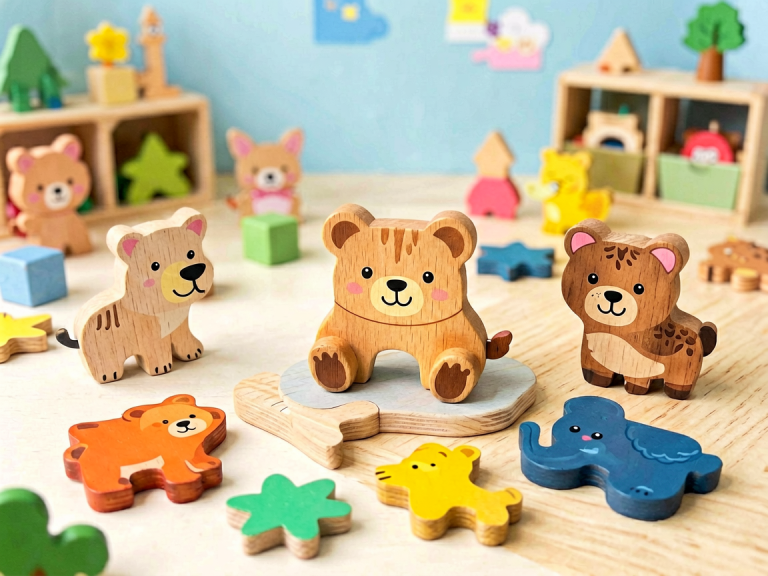
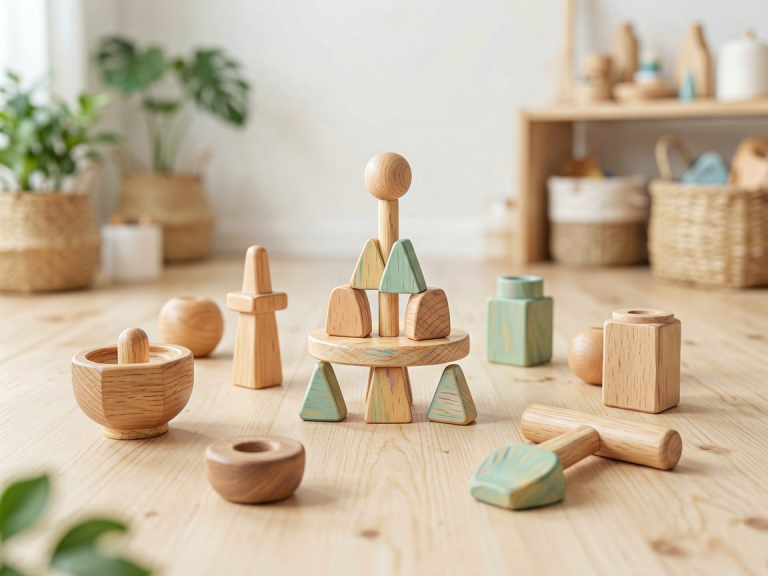
Before plastic, there was wood. Wooden blocks have been a cornerstone of early childhood education for centuries, and they remain one of the best alternatives to LEGO-style bricks for babies. Unlike hard plastic, wood has a natural warmth, texture, and weight that provides rich sensory feedback. Wooden blocks are also completely non-toxic when finished with safe paints or left raw.
Why they work for babies:
Wooden blocks are typically cut into simple geometric shapes—cubes, cylinders, arches, and triangles. Babies can grasp them easily, bang them together, and stack them without any locking mechanism. The slight friction of wood on wood creates a satisfying resistance that helps babies learn about balance and gravity. Because they do not click together, they require more careful placement, which gradually improves fine motor control.
Safety considerations:
Ensure the blocks are made from solid, sustainable wood (like beech or maple) and finished with water-based, non-toxic paints or oils. Avoid blocks with sharp corners—look for rounded edges. Also check for splinters by running your hand over the surface.
Top features to look for:
- A variety of sizes and shapes
- Natural wood with colorful stains (not paint that can chip)
- Blocks that are large enough to be held with two hands (at least 2 inches on each side)
- Sets that include a storage tray or bag
Recommended brands:
- *Melissa & Doug Standard Unit Blocks*: A classic 60-piece set with all the essential shapes. They are smooth, sturdy, and perfectly sized for toddlers.
- *Uncle Goose Classic ABC Blocks*: While these are printed with letters, they double as building blocks and teach early literacy.
- *Hape Nature Wooden Blocks*: Made from sustainably sourced wood and painted with water-based finishes, these blocks feature natural textures and muted colors.
Wooden blocks are ideal for babies who are crawling or walking, as they can be used for stacking, sorting, filling containers, and even rolling. They are a truly open-ended toy that will be used for years.
—
5. Interactive Stacking Toys: Nesting Cups and Rings
Sometimes the best alternative is not a block at all, but a stacking toy designed specifically for the developmental stage of a baby. Nesting cups, stacking rings, and shape sorters offer the same core benefits of construction play—stacking, ordering, and spatial awareness—but in a format that perfectly matches a baby’s abilities.
Why they work for babies:
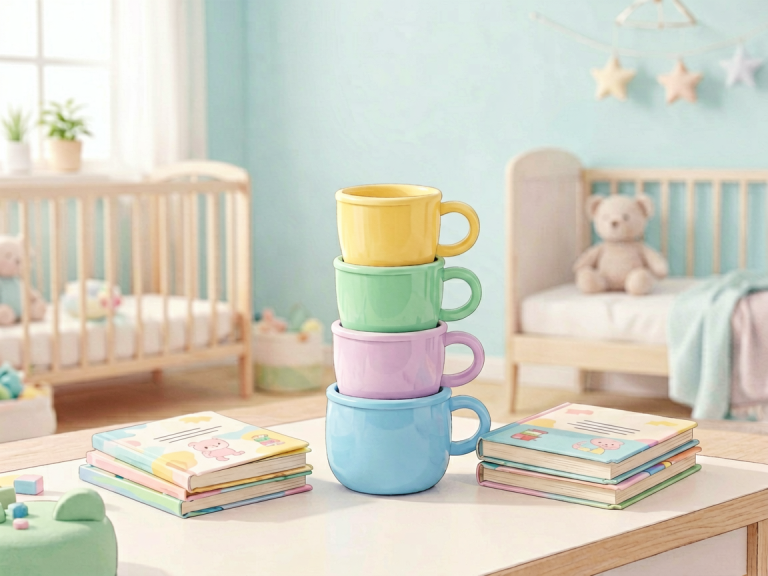
Nesting cups, for example, can be stacked in any order, and the action of placing one cup inside another is easier than aligning blocks. Stacking rings require placing rings of decreasing size onto a central post, which teaches size discrimination and hand-eye coordination. These toys are often made from soft plastic or silicone, making them safe for chewing and dropping.
Top features to look for:
- Cups with different textures or holes for pouring sand/water
- Rings with varied diameters and bright colors
- A base that is weighted or has a suction cup to prevent tipping
Recommended brands:
- *The First Years Stacking Cups*: Simple, inexpensive, and endlessly fun. They also float, making them great for bath time.
- *Fisher-Price Baby’s First Blocks*: A shape sorter and stacking toy combined.
- *Manhattan Toy Winkel*: While not a stacker, this rattle-like toy introduces the concept of holding and manipulating objects.
Interactive stacking toys are perfect for babies aged 6 to 18 months. They provide a clear goal (stack all rings) while allowing for creative play (mix up the order, knock them down).
—
6. Squeeze-and-Snap Building Sets: A Hybrid for Older Babies
As babies approach their first birthday, they often develop enough hand strength to enjoy toys that require a bit more force. Squeeze-and-snap building sets feature large, soft plastic pieces that connect by squeezing the ends together or pressing them into a slot. These sets offer a middle ground between soft blocks and true interlocking bricks.
Why they work for babies:
These pieces are larger than Duplo but require slightly more precision than magnetic blocks. They often form simple structures like flowers, cars, or animals. The connection is forgiving—if you miss, it still holds. This builds confidence and teaches cause and effect.
Recommended brands:
- *B.toys B. Whirly Squigz*: These silicone discs stick together and to windows or high chairs, providing a unique building experience.
- *Mega Bloks First Builders*: While similar to Duplo, these blocks have a softer feel and slightly looser connection. They are also cheaper.
Squeeze-and-snap sets are best for babies 12 months and older who are ready to move beyond simple stacking.
—
Conclusion: Choosing the Right Alternative for Your Baby
Selecting the best alternative to LEGO-style bricks for your baby ultimately depends on your child’s age, developmental stage, and personal preferences. For newborns and younger infants, soft blocks and stacking toys offer safety and sensory stimulation. For babies around 12 to 18 months, Duplo blocks and magnetic sets introduce the thrill of building without frustration. Wooden blocks remain a timeless choice that grows with the child, from simple stacking to complex architectural play.
The golden rule is to prioritize safety: always verify that toys are free from small parts, made from non-toxic materials, and appropriate for your baby’s age. Additionally, observe your baby’s play style—some babies love the instant success of magnets, while others prefer the tactile feedback of wood. There is no single “best” alternative; the best one is the one that captivates your baby’s curiosity and encourages them to explore, create, and knock down with joyous abandon.
Remember, the goal is not to replicate the LEGO experience but to provide a developmentally appropriate foundation that nurtures a lifelong love of building—and knocking down—again and again. So go ahead, choose one (or two) of these alternatives, and watch your baby’s imagination take flight.