Educational Alternatives to Science Kits
Commercial kits cost $30 and up for a handful of reactions. Everyday materials that teach the same concepts, plus the safety rules.
Toy comparisons, safety checks, and buying guides that help parents decide before they buy.
Commercial kits cost $30 and up for a handful of reactions. Everyday materials that teach the same concepts, plus the safety rules.
Toy safety is a paramount concern for parents, educators, and regulators. In the United States, the mandatory safety standard for toys is ASTM F963...
Comparing safety in science toys and engineering kits: chemicals, parts, and age gates. Here is how to decide.
Science toys answer questions; engineering toys pose them. Which builds more creative confidence, and how the answer shifts with age.
Toys are more than just playthings; they are tools for learning, creativity, and social development....
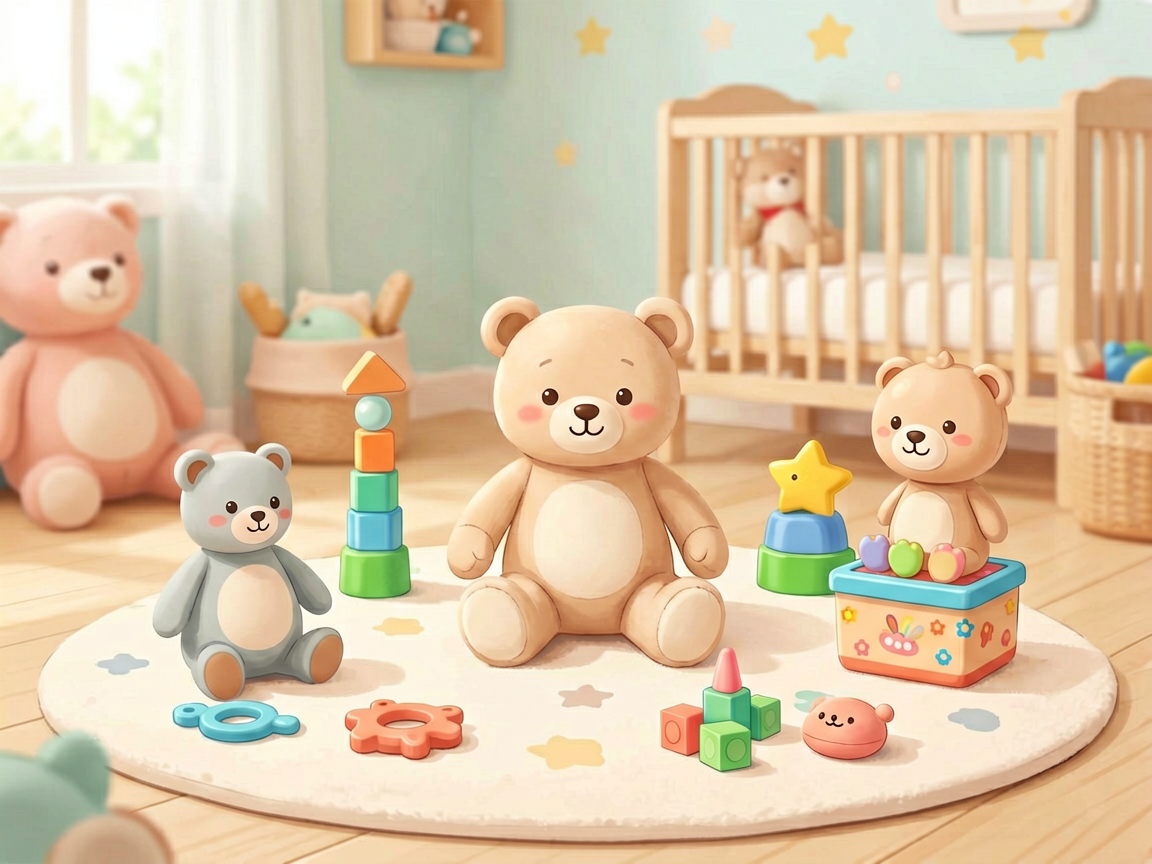
Are LEGO-style bricks worth it for 18-month-olds? What toddlers actually build Clear pros, cons and verdicts so you can decide with confidence.
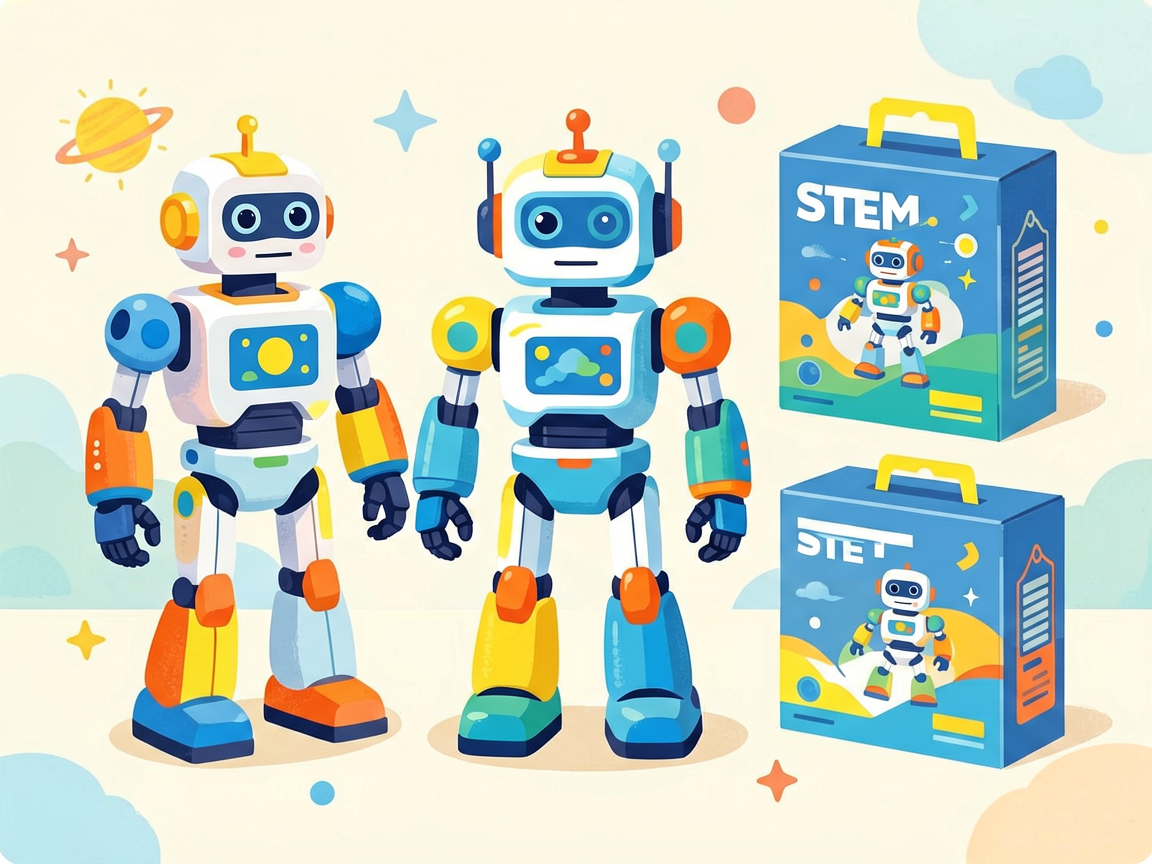
Science toys vs. engineering toys: which unlocks deeper STEM learning? Skills compared. Which one earns its shelf spot.
The Paradox of Small Parts At first glance, the idea of buying toys with small parts for a 12-year-old seems straightforward....
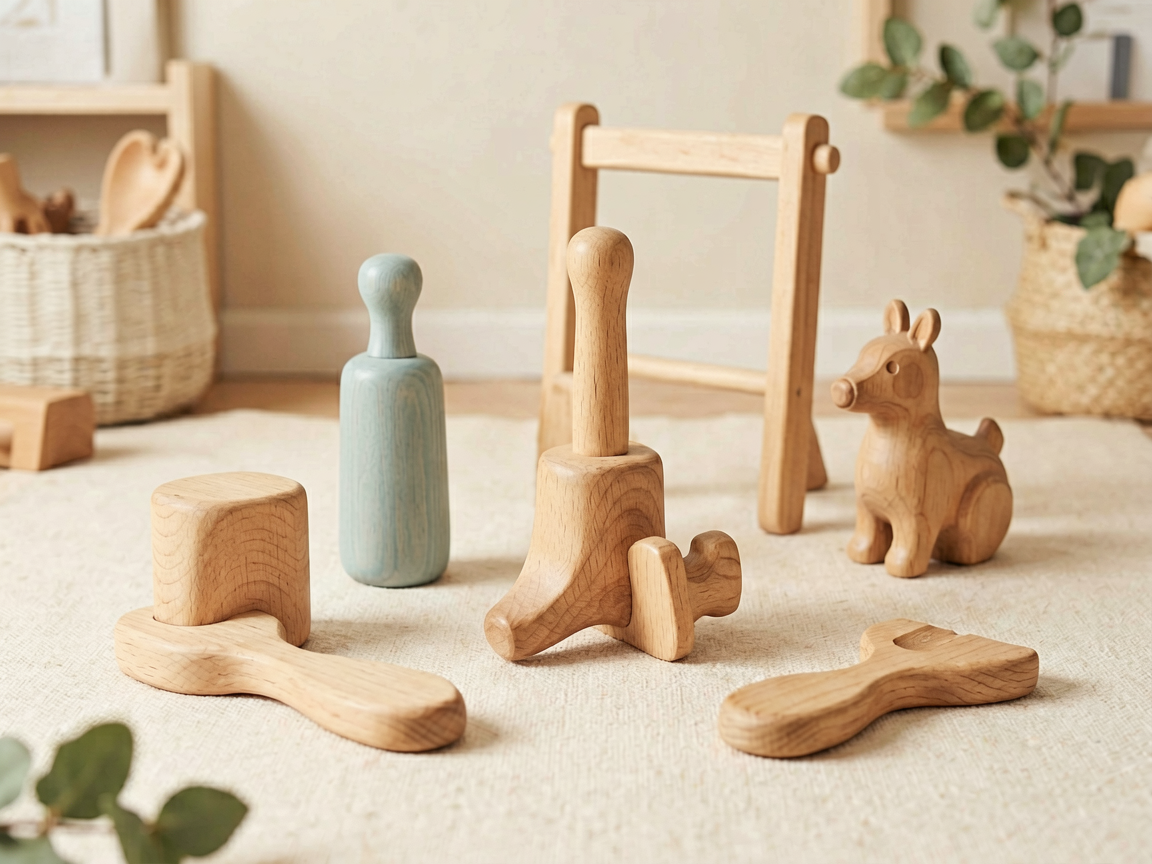
Wooden blocks and reading readiness: literacy through play. Short, practical, and written for parents who want safe, useful picks.
Why ASTM F963 Matters for Preteens When parents, educators, and toy manufacturers think about toy safety, the most vulnerable age groups—infants and t...