The Peril of Plenty: Why Overbuying Holiday Toys for Six-Year-Olds Does More Harm Than Good
The Holiday Temptation
The holiday season arrives with a familiar frenzy. Store aisles glisten with flashing lights, animated characters beckon from every shelf, and online marketplaces bombard parents with “Deals of the Day.” For a six-year-old, this world is pure magic. Their eyes widen at every commercial, and their wish list grows longer than their arm. In response, well-meaning parents often fall into a common trap: overbuying holiday toys for 6 year olds. The logic feels simple—more gifts mean more joy, more smiles, more of that Christmas morning wonder. But the reality is far more complex. While the urge to spoil our children comes from love, the consequences of excessive gift-giving at this critical age can undermine the very happiness we hope to create. Understanding the developmental, emotional, and even environmental impact of toy overload is essential for any parent who wants to give their child the best possible holiday—not just the fullest stocking.
Why Six Is a Special Age
Six-year-olds occupy a unique developmental sweet spot. They have outgrown the sensory-driven play of toddlers—who may be content with a cardboard box—but they have not yet entered the cynical world of preteens. At six, children are beginning to understand rules, social comparisons, and the concept of “mine” versus “yours.” They are also developing what psychologists call executive function: the ability to focus, plan, and delay gratification. This is precisely why the number and variety of toys they receive matters so much.
When a six-year-old receives dozens of gifts in one sitting, their still-growing neural pathways are flooded with more novelty than they can process. Research in child development shows that young children learn best through deep, sustained engagement with a limited set of objects. A single toy that can be explored in a hundred ways—building blocks, a dollhouse, a set of craft materials—stimulates creativity and problem-solving far more effectively than twenty shiny gadgets that each do only one thing. Overbuying holiday toys for 6 year olds turns the holiday into a blur of unboxing rather than a foundation for meaningful play. The child rushes from one prize to the next, never truly “entering” any play state. In this way, excess actually dilutes the magic it promises.
The Hidden Harms of Toy Abundance
Attention and Appreciation Erode
The most immediate and observable effect of toy overload is a shortened attention span. When a child knows there are still five unopened presents under the tree, they will not linger on the one in their hands. This pattern does not stay on Christmas morning; it seeps into daily life. Children who are used to constant novelty come to expect it, and their ability to entertain themselves with a single toy for even twenty minutes begins to fade. They may start to complain, “I’m bored,” while standing in a room filled with toys. This is not ingratitude—it is a natural neurological response to overstimulation. The brain, overwhelmed by choice, stops valuing any single option.
Additionally, overbuying teaches a subtle but powerful lesson about value. When gifts are plentiful and disposable, children learn that objects have little lasting worth. This directly conflicts with the holiday spirit—the very spirit of gratitude and generosity that many parents hope to instill. A six-year-old who receives thirty presents will, by February, remember only three or four of them. They will not remember the effort behind each gift, nor the thoughtfulness. But they will have absorbed the message that more is better, that love can be measured in package sizes, and that the holiday’s highlight is acquisition rather than togetherness.
Emotional Regulation and Frustration
Six-year-olds are also just beginning to develop emotional regulation. They experience intense feelings but have limited tools to manage them. An overabundance of toys can actually trigger meltdowns and anxiety. Choice overload—a well-documented psychological phenomenon—affects adults, so it is far worse for children. When faced with dozens of options, a six-year-old may become irritable, unable to decide what to play with, and frustrated by their own indecision. They may cling to a favorite toy with fierce possessiveness, fearing that it will be lost in the chaos of other gifts. They may also become overwhelmed by the pressure to “like” every present, leading to fake smiles or awkward silences that parents then misinterpret as ingratitude.
This emotional stress is compounded by the holiday's sensory noise. Bright wrapping, loud relatives, rich food, and altered routines already push a young child’s coping capacity to its limit. Adding a mountain of toys into that mix is almost a guarantee of post-holiday crash. Parents who have overbought often describe a pattern: blissful moments of tearing open gifts, followed by tears, fights, and a child who refuses to play with anything. The gifts themselves become triggers for dysregulation, not sources of comfort.
The Environmental and Financial Toll
Beyond the psychological impact, overbuying holiday toys for 6 year olds carries a heavy cost that parents cannot afford to ignore. The toy industry generates millions of tons of plastic waste each year, much of it non-recyclable and destined for landfills. Festive packaging—shrink wrap, foam inserts, twist ties, and glitzy cardboard—multiplies the waste. When a child toys with a gadget for a week and then discards it, the environmental footprint of that fleeting joy is enormous. Teaching a six-year-old about caring for the planet is difficult when their own holiday celebration produces a trash bag full of broken, unwanted plastic.
Financially, the burden is equally real. Many families strain their budgets to buy more than they can afford, driven by social media images of elaborately wrapped gift mountains and by the fear that their child will feel deprived. This can lead to post-holiday debt, marital stress, and a growing resentment that poisons the very warmth of the season. The truth is that overspending rarely buys lasting happiness. Studies on lottery winners and material purchases consistently show that beyond a modest threshold, additional stuff does not increase well-being. A six-year-old does not need a second or third toy version of the same character; they need the presence of their parents, a shared story, and the security of knowing they are loved.
What to Do Instead: Gifts That Truly Give
Focus on Experience, Not Objects
The most powerful alternative to overbuying is shifting the gift-giving focus from objects to experiences. A six-year-old will treasure a family day at a local zoo, a child-friendly cooking class, a trip to the ice rink, or a simple picnic in the park with a homemade scavenger hunt. These experiences create memories, strengthen bonds, and offer the kind of rich sensory and social learning that no toy can replicate. Experiences also generate anticipation—a gift that lasts for weeks before it is “consumed,” and a memory that outlasts any plastic figure.
Even better, experience gifts can be wrapped symbolically. A printed voucher that says “the adventure is coming,” or a small prop—like a magnifying glass for a future nature walk—can be placed under the tree. This prevents the disappointment of “nothing to unwrap” while avoiding the trap of quantity. For a six-year-old, the excitement of counting down to an experience is itself a gift. It teaches them that enjoyment can be delayed and that some pleasures are not instant.
The Quality-and-Simplicity Rule
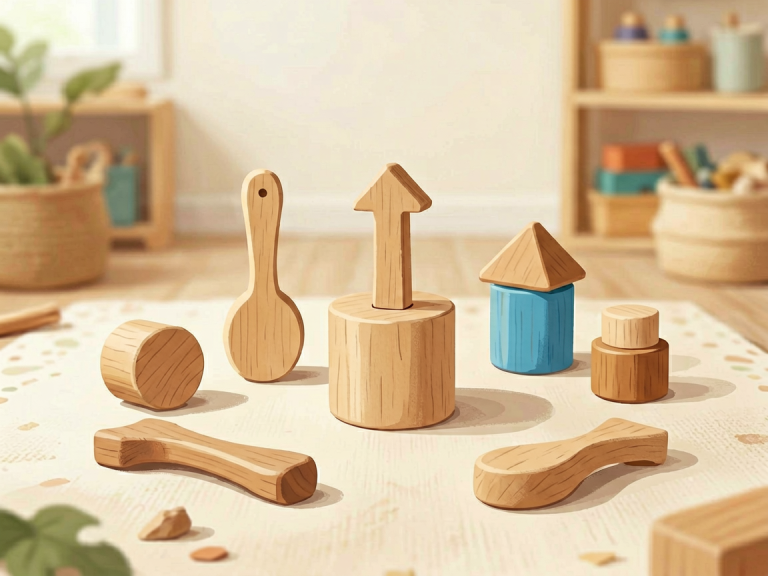
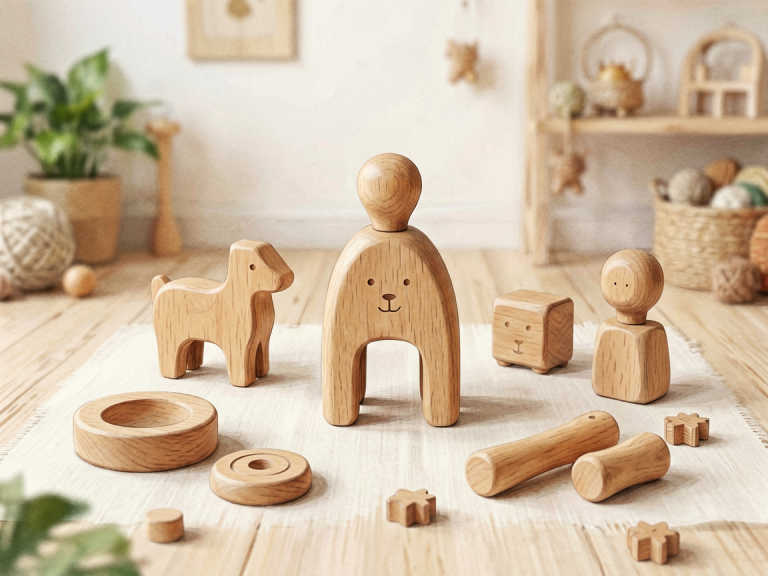
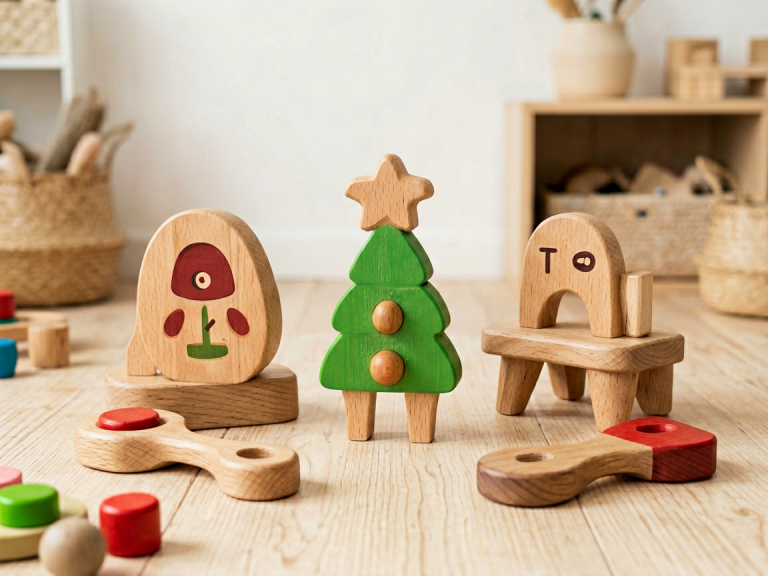
If physical toys are still on the agenda—and they should be—parents can adopt a simple rule: fewer, better, and more open-ended. Choose one high-quality item that matches the child’s genuine interests and developmental needs. For a six-year-old, this might be a sturdy set of wooden blocks, a book with beautiful illustrations and no batteries, a cooperative board game, art supplies, or a construction kit that allows for multiple projects. Open-ended toys are the gold standard because they adapt to the child’s imagination. A single magnifying glass can explore a backyard, a puddle, or a bug’s wing. A box of crayons plus paper can generate hundreds of worlds. When the focus is on quality, every gift feels special—not because it is expensive, but because it is thoughtful.
Practical guidelines can help. The “four gifts rule” is popular among parenting communities: something they want, something they need, something to wear, and something to read. That structure limits the haul to four meaningful items. Another approach is to set a total number of gifts per child to no more than three, explaining to relatives why this matters. Many grandparents and aunts actually welcome such guidance; they, too, have felt the pressure to overbuy. By setting a boundary, parents free the entire family from the arms race of holiday excess.
Managing the Extended Family's Enthusiasm
For many parents, their own gift-giving is modest, but the issue escalates when grandparents, uncles, and friends all contribute. The result is still a mountain. It is essential to communicate a coherent holiday policy before Thanksgiving. A gentle email or a call saying, “We are trying to keep Lena's toys manageable this year; could you please give her one meaningful gift, or contribute to her adventure fund?” is not rude—it is wise. Most relatives respect this when framed as a health and well-being choice. Parents can also suggest that gifts be “shared” by multiple family members—for example, a family board game that comes from everyone. This turns collective giving into a bonding experience rather than a pile-up.
The Real Gift: Presence Over Presents
In the end, what a six-year-old truly needs during the holidays is not more stuff but more presence. They need to see their parents relaxed, playing with them, laughing, and not stressfully assembling batteries at 2 a.m. on Christmas Eve. They need to hear a story about a childhood holiday, to bake cookies together, to watch a movie with hot cocoa, to take a walk in the wintry air. These unglamorous moments build the emotional vocabulary of the season. The child who receives three carefully chosen toys but experiences two whole days of parental attention will look back on that holiday with far greater joy than the child who receives thirty toys and loses their parents to the chaos of tidying and organizing.
Overbuying holiday toys for 6 year olds is not an act of generosity; it is often a symptom of anxiety—a fear that our children will miss out, that we will fail as providers, that the holiday will not be “enough.” But children do not measure holidays by inventory. They measure them by feeling. The feeling of being seen, of being included, of being cherished. A six-year-old who is given a modest gift and the gift of a shared laugh will feel far more secure than one who is given a toy store and a distracted kiss on the forehead. This holiday season, let us choose quality, presence, and restraint. Let us allow our children to experience the anticipation of a single special gift, the delight of exploring it thoroughly, and the gratitude that comes from knowing that what matters most cannot be wrapped or bought. That is the lesson worth giving—and the only gift that never breaks.