The Thoughtful Parent’s Buying Guide: Choosing the Best Toys for 2-Year-Olds
Introduction: Why Toy Selection Matters More Than Ever at Age Two
At two years old, a child is no longer a baby, but not quite a preschooler. This is a magical window of rapid cognitive, physical, and emotional development. Toddlers at this age are curious, mobile, and increasingly vocal. They are learning to solve problems, to use their hands with intention, and to navigate the complex world of feelings and social interactions. As a parent, the toy aisle can feel overwhelming—bright colors, flashing lights, noisy gadgets, and endless claims about “educational value.” But the truth is that the best toys for a two-year-old are not necessarily the most expensive or the most technologically advanced. In fact, research in child development consistently shows that simple, open-ended toys that encourage exploration, creativity, and physical movement offer the greatest long-term benefits. This guide is designed to help you cut through the noise and make informed, thoughtful purchasing decisions that will support your child’s development while also bringing genuine joy.
Understanding the Developmental Milestones of a Two-Year-Old
Before you buy anything, it is essential to understand what is happening inside your child’s growing brain and body. At 24 to 36 months, children typically experience several key milestones. They are refining their gross motor skills—running, climbing, kicking, and throwing. Their fine motor skills are developing rapidly, allowing them to stack blocks, turn pages, and manipulate small objects with increasing precision. Cognitively, they are beginning to engage in symbolic play, meaning they can use one object to represent another, such as a block acting as a phone. They are also absorbing language at an astonishing rate, learning new words daily and starting to combine two or three words into simple sentences. Socially and emotionally, they are discovering independence but also experiencing frustration, tantrums, and the need for comfort. A good toy for this age should align with these milestones: it should be safe, durable, and sized appropriately for small hands, but more importantly, it should invite the child to move, explore, pretend, and communicate. Avoid toys that are too complex or require a high degree of fine motor control—these will only lead to frustration. Similarly, avoid toys that are passive, such as those that simply flash or play music while the child watches, because they do not encourage active engagement.
The Golden Rules of Toy Safety for Toddlers
Safety is non-negotiable when it comes to any child under three. At two years old, children still explore the world with their mouths, even if they are walking and talking. Therefore, the first rule is to check for choking hazards. Any toy or removable part that fits inside a standard toilet paper roll (which is roughly 1.5 inches in diameter) is too small for a two-year-old. Look for toys labeled “for ages 3+”—these often contain small parts and should be avoided unless you are absolutely sure your child is past the mouthing stage. Also, inspect toys for sharp edges, splinters, or rough seams. Avoid toys with long cords or strings longer than 12 inches, as these pose a strangulation risk. Batteries should be secured behind a screwed-on compartment that your child cannot open, because button batteries are extremely dangerous if swallowed. For wooden toys, ensure they are painted with non-toxic, lead-free paint. For plastic toys, look for the “BPA-free” label and avoid brittle plastics that could crack and create sharp shards. Finally, consider the noise level. Some electronic toys can produce sounds that exceed 85 decibels, which can damage a child’s hearing. If a toy is loud to you, it is likely too loud for your toddler’s sensitive ears. You can always place tape over the speaker to lower the volume, or simply choose quieter toys.
Types of Toys That Deliver Real Developmental Value
1. Blocks and Building Sets: The Foundation of Spatial Thinking
Simple wooden or chunky plastic blocks are the timeless heroes of toddler development. Stacking, knocking down, and rebuilding teaches cause-and-effect, spatial awareness, and early math concepts like size and balance. For two-year-olds, choose blocks that are large enough to be easily grasped and that have a variety of shapes—squares, rectangles, triangles, and cylinders. Avoid magnetic building sets that use tiny magnets, as these can be dangerous if swallowed. Instead, look for lightweight, smooth blocks that can be stacked both horizontally and vertically. You can also purchase interlocking bricks that are specifically designed for the “duplo” size, which are twice the size of standard bricks and safe for small hands. The beauty of blocks is that they are open-ended: your child may build a tower, a bridge, or simply line them up. This type of play strengthens hands, develops patience, and provides a canvas for imagination.
2. Shape Sorters and Simple Puzzles: Problem-Solving in Action
Shape sorters are a classic toy for good reason. They require a child to match a three-dimensional shape to a corresponding hole, which exercises visual discrimination and fine motor skills. At two years old, a child may still try to force a square into a round hole—this is part of the learning process. Over time, they will master the task, and you can gradually increase the complexity. Simple wooden puzzles with large knobs and recognizable pictures (animals, vehicles, fruits) are also excellent. They encourage hand-eye coordination and vocabulary development as you name each piece. When selecting puzzles, make sure the pieces are thick and easy to grip. Avoid puzzles with more than six to eight pieces, as overly challenging puzzles can cause frustration. The goal is not to perfect the puzzle but to enjoy the process of trial and error.
3. Pretend Play Props: Nurturing Imagination and Language
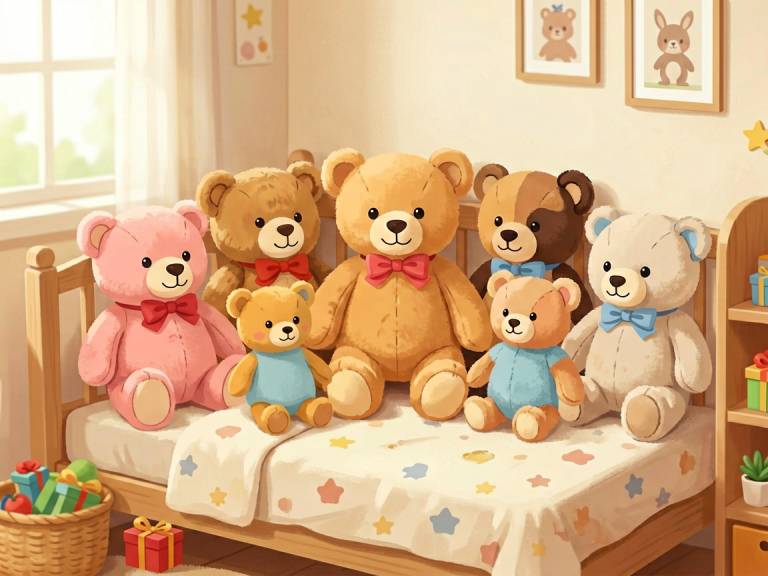
Between two and three years old, your child will start to engage in “parallel play” and simple role-playing. They might pretend to feed a doll, talk on a toy phone, or cook in a play kitchen. These activities are not just adorable—they are critical for social, emotional, and language development. When your child pretends, they are practicing adult behaviors, processing emotions, and expanding their vocabulary. For a two-year-old, you do not need an elaborate play kitchen. A simple set of plastic plates, cups, and play food, or a doll with a soft blanket, can spark hours of rich play. Look for props that are realistic but not overly detailed. A wooden phone, for example, is better than a plastic phone that rings and lights up, because the former encourages the child to create their own sounds and interactions. Puppets are also wonderful for encouraging conversation. A simple hand puppet can become a new friend who asks questions and shares stories, which helps your child practice their emerging verbal skills.
4. Ride-On Toys and Push Toys: Building Gross Motor Skills
At two years old, many children are mastering walking and beginning to run. Ride-on toys that do not have pedals—such as small scooters or cars that the child pushes with their feet—are excellent for balance and coordination. They give toddlers a sense of independence as they propel themselves around the house or yard. Choose a ride-on that is low to the ground, has a wide wheelbase, and is made of sturdy materials. A push toy, such as a shopping cart or a lawn mower, serves a dual purpose: it supports walking for those who are still a bit unsteady, and it invites pretend play. When selecting a push toy, ensure that the handle is at a comfortable height and that the toy does not tip over easily. Avoid toys with wheels that move too fast, as toddlers are still learning to control their speed and direction.
5. Art Supplies and Sensory Materials: Tapping into Creativity
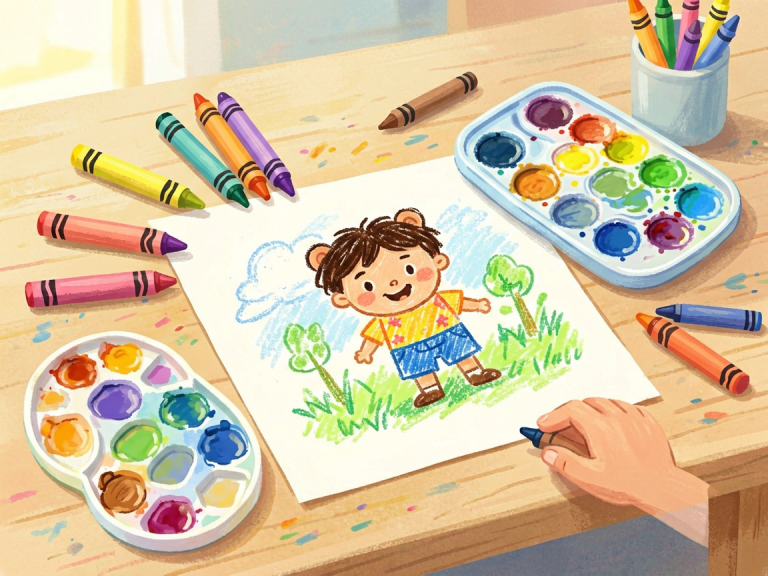
Two-year-olds are natural artists. Crayons, washable markers, finger paints, and playdough are all excellent choices, but they require supervision and a bit of mess tolerance. For this age, choose thick, non-toxic, washable crayons that are easy to grip and do not snap easily. Finger paint is a fantastic sensory experience—let your child smear it on a large sheet of paper or even on a tray. Playdough (either store-bought or homemade with edible ingredients) allows for squeezing, rolling, and shaping, which strengthens hand muscles and encourages creativity. You can also create sensory bins at home using dry rice, beans, or kinetic sand, along with scoops and small cups. These activities are not exactly “toys” in the traditional sense, but they are invaluable for development. They teach cause and effect, introduce textures, and help children develop focus. When buying art supplies, always check that they are non-toxic and appropriate for toddlers.
6. Musical Instruments: Encouraging Rhythm and Listening Skills
Toddlers love making noise, and that is actually a good thing. Simple percussion instruments—such as tambourines, maracas, drums, and xylophones—help children develop a sense of rhythm, which is linked to language development and auditory discrimination. When choosing musical instruments, look for ones that are well-made and not too loud. A small wooden drum with a soft mallet is better than a cheap plastic drum that produces a harsh sound. Maracas that are sealed securely and do not contain small beads that could leak out are important. You can also make your own instruments, like a shaker bottle filled with rice, but ensure the cap is glued shut. Music play is also a wonderful way to bond with your child. Sit down with them, shake the maracas together, and sing simple songs. This joint play encourages social interaction and emotional connection.
What to Avoid: The Trap of “Educational” Gadgets
The toy market is flooded with products that claim to be “educational” or “interactive.” Many of these are tablet-like devices, talking robots, or colorful pads that light up and require no active participation from the child. While they may capture a toddler’s attention temporarily, they often do more harm than good. Studies suggest that excessive screen-based toy use can lead to shorter attention spans and reduced problem-solving skills because the child is a passive recipient of stimuli. Similarly, toys with pre-recorded speech can inhibit language development because they do not provide the back-and-forth, responsive conversation that young children need. A child learns to talk by hearing real voices and having real conversations. So, if a toy “talks” for your child, it is taking away an opportunity for your child to speak. That said, not all electronic toys are bad. A simple music player with physical buttons that your child can press to play a song (and then stop) can give a sense of control. The key is to choose toys that require active input and can be used in multiple ways. For example, a toy sorting machine that flashes and plays a jingle when a shape is correctly dropped is fine, but the child may quickly tire of it. The classic wooden shape sorter, on the other hand, offers the same learning without the digital distractions and allows for open-ended play—the child can carry the pieces away, stack them, or hide them, all of which extend the play value.
Practical Shopping Tips: How to Make Smart Decisions
Before you make a purchase, ask yourself a few simple questions. Is this toy durable? Toddlers are rough on their belongings—they drop, throw, and step on things. Cheap plastic can crack easily. Look for solid wood, sturdy recycled plastic, or high-quality fabric. Is this toy easy to clean? Toys will be dragged through meal times and outdoors, and they will be drooled on. Machine-washable fabrics and wipeable surfaces are ideal. Is this toy age-appropriate? The packaging will indicate the recommended age range, but use your own judgment about your child’s development. Is this toy open-ended? A toy can be played with in many different ways is far more valuable than one with a single function. Consider second-hand toys. Many excellent wooden toys are built to last and can be found at thrift stores or online marketplaces. Just be sure to check for safety recalls and give the toys a thorough cleaning. Also, don’t forget about books. Books are toys in a sense, and they are arguably the most important purchase you can make for your two-year-old. Board books with simple stories, rhymes, and bright pictures are essential for building a foundation of literacy.
Balancing Quantity and Quality: A Minimalist Approach
As a parent, you may feel pressure to provide your child with a room full of toys. But more toys often leads to less meaningful play. A child can become overwhelmed by too many choices and end up playing with nothing. Instead, curate a small collection of high-quality toys that complement each other: a set of blocks, a shape sorter, a few pretend play items, a ride-on toy, and basic art supplies. You can rotate toys in and out of storage, bringing out a few at a time and then swapping them after a few weeks. This keeps the toys “new” and interesting without adding clutter. Rotating toys also allows your child to focus more deeply on each one, which improves their attention span. When you follow this approach, you will notice that your child develops a deeper relationship with their toys, using them in more creative ways over time. Remember, at two years old, your child does not need a toy that does something spectacular. They need a toy that they can do something with.
Conclusion: The Best Toy Is You
Perhaps the most important insight for any parent buying toys for a two-year-old is this: no toy can replace your presence. A child at this age learns best through social interaction. When you sit on the floor with your child and build a tower together, they are not just learning about blocks—they are learning about collaboration, language, and love. When you name the animal on a puzzle piece, they are learning new words. When you clap along to a drum beat, they are learning about rhythm and shared joy. So, as you make your purchases, keep this in mind. Choose toys that are simple, safe, durable, and open-ended. Avoid screens, loud noises, and overly prescriptive gadgets. And above all, plan to play with your child. You are the ultimate toy—the one that never goes out of style, never needs batteries, and always creates the most meaningful memories. Happy toy hunting, and enjoy this beautiful stage of discovery.