Soft Companions: The Role of Dolls and Plush Toys in the Development and Safety of Six-Month-Olds
Introduction
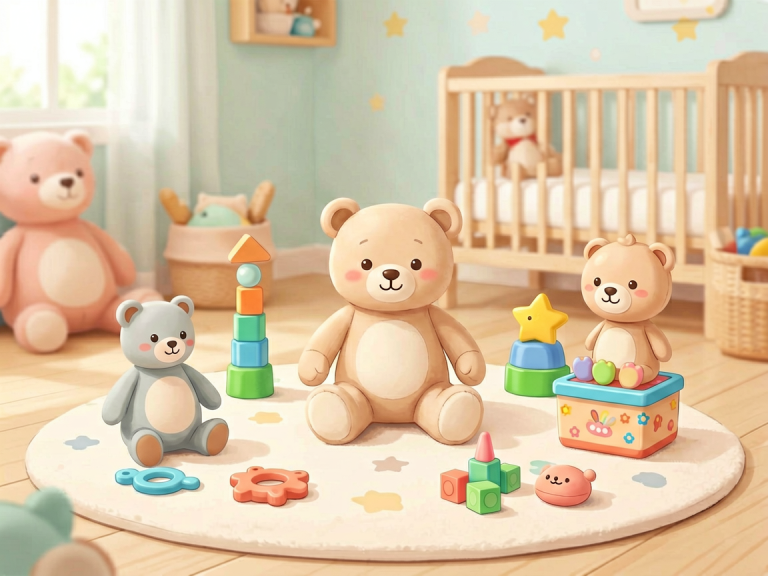
The arrival of a six-month-old marks a thrilling developmental milestone. By this age, infants are no longer passive recipients of stimulation; they actively reach, grasp, mouth, and explore. The world becomes a tactile, visual, and auditory playground. Among the most cherished gifts for this age group are dolls and plush toys. However, parents and caregivers often wonder: *Which soft toys are truly appropriate? Are they safe? Do they offer any developmental benefits?* This article delves into the science and practice behind choosing and using dolls and plush toys for six-month-olds. We will explore safety guidelines, sensory stimulation, emotional bonding, and practical tips, ensuring that every cuddly companion contributes positively to an infant’s growth.
—
Safety First: Critical Considerations for Six-Month-Olds
At six months, infants are still in the stage of oral exploration. They put everything into their mouths, including fabric, buttons, ribbons, and stuffing. Therefore, safety is the paramount concern. Any doll or plush toy intended for a six-month-old must meet strict criteria:
- No small parts. Eyes, noses, buttons, and bows must be securely embroidered or stitched, never glued or attached with plastic fasteners that could become choking hazards. For example, a doll’s face should be painted or embroidered onto the fabric, not made of hard plastic beads.
- Hypoallergenic and non-toxic materials. Look for certifications such as OEKO-TEX or ASTM. Avoid toys with chemical flame retardants, phthalates, or lead-based dyes. Organic cotton, bamboo fiber, and natural wool (if not allergenic) are excellent choices.
- Washable. Infants drool, spit up, and occasionally have diaper leaks. A machine-washable (and dryer-safe) toy is essential to maintain hygiene. Some plush toys are designed with removable covers for easy cleaning.
- No long strings or ribbons. Anything longer than a child’s fist can pose a strangulation risk. If the toy has a small loop for hanging, ensure it is less than 12 inches long and attached securely.
- Weight and size. A toy that is too heavy could hurt the child if dropped onto their face. Ideally, the plush toy should be lightweight (under 200 grams) and large enough not to be swallowed, yet small enough for tiny hands to grasp.
Additionally, always inspect the toy for seams that might unravel. A six-month-old’s growing strength can tear loose stitching, releasing stuffing that could be inhaled. Regularly check the condition of any soft toy and discard it at the first sign of wear.
—
Developmental Benefits: Beyond Mere Cuteness
It might seem that a plush bunny or a soft rag doll is just a comfort object, but research in infant development shows that these toys serve multiple critical functions at six months.
Sensory Stimulation and Exploration
At six months, infants are developing their sensory integration. A plush toy offers a rich tapestry of tactile input: the fur of a teddy bear feels different from the smooth cotton of a doll’s dress. Some toys incorporate crinkle paper inside the limbs, rattles, or squeakers—all of which provide auditory feedback as the baby shakes or squeezes. Visual contrast is also important: black-and-white patterns, bold primary colors, or high-contrast designs (e.g., a red-and-yellow striped dragon) capture a six-month-old’s attention better than pastels. The combination of textures, sounds, and colors helps strengthen neural pathways in the visual and somatosensory cortices.
Cause-and-Effect Learning
When a baby shakes a plush toy and it rattles, or when they press a doll’s tummy and it makes a gentle sound, they begin to understand causality: *I do this, and that happens.* This is a foundational concept for later problem-solving. Even a simple plush toy with a hidden bell can become a tool for learning. At six months, infants cannot yet plan complex actions, but they can repeat movements that produce interesting results. Encouraging this repetition through playful interaction with a soft toy fosters persistence and attention span.
Emotional Security and Attachment
Psychologists refer to transitional objects—items like a soft blanket or a favorite teddy—that help babies navigate the separation from caregivers. While true transitional object attachment often emerges later (around 12–18 months), the seeds are sown at six months. Plush toys can become a source of comfort during the early stages of object permanence. When a parent hands a baby a soft doll and says “This is your friend,” the infant begins to associate the toy with warmth and safety. Over time, this can ease bedtime routines and reduce anxiety in new environments.
Gross and Fine Motor Skills
Grabbing, squeezing, pulling, and even chewing on a plush toy engage a six-month-old’s developing motor system. The palmar grasp evolves into a pincer grasp around nine months, but at six months, infants rely on a raking motion to bring objects toward themselves. A plush toy with hanging tags, loops, or floppy limbs provides excellent targets for these early reaching and grabbing attempts. Furthermore, when a baby lifts a plush toy to their mouth, they strengthen neck and shoulder muscles. Some developmental toys also have rings or handles that encourage bilateral coordination (using both hands together).
—
Choosing the Right Doll or Plush Toy: A Practical Guide
With countless products on the market, decision fatigue is real. Here is a checklist tailored specifically to six-month-olds.
Look for “Activity” Plush Toys
Many educational toy brands create plush animals with multiple sensory features. For example, a soft elephant might have a crinkly ear, a rattle in its belly, a teething ring attached to its trunk, and a mirror on its foot. These multi-textured toys offer extended engagement. However, avoid toys that are overly complex—too many sounds or lights can overstimulate an infant. Simple, predictable interactions are best.
Consider Cloth Dolls with Simple Faces
Rag dolls made from soft cotton, with embroidered features and no removable clothes, are ideal. They are light, flexible, and easy for a baby to hug. The face should be smiling but not overly expressive—an exaggerated frown could upset a baby’s developing ability to read emotions. Neutral, gentle expressions are recommended. Avoid dolls with hair made of long synthetic fibers that could be pulled out and swallowed; short, tightly woven “hair” (e.g., a cap of fabric) is safer.
Avoid Very Plush (Long Fur) Toys
While a fluffy unicorn looks adorable, its long fur can trap dust, saliva, and allergens. More importantly, loose fibers can be ingested. In addition, six-month-olds do not yet understand softness as a visual cue; they may try to bite into the fur. Short-pile plush (like microfleece or velour) is preferable. For hygiene, choose a toy labeled “machine washable and dryable.”
Pay Attention to Weight Distribution
Some plush toys are weighted with beads or sand to simulate a comforting “heavy” feel (like weighted blankets for babies). While these can be soothing for some children, they are controversial for infants under 12 months because of the risk of suffocation if the toy is placed over the face during sleep. The American Academy of Pediatrics recommends that cribs be kept free of any objects, including plush toys, until age one. Therefore, any weighted plush toy should only be used during supervised awake time, never for sleep.
Test for Sound Level
Many plush toys include electronic sound modules that play lullabies or animal noises. Before purchasing, check the volume. Some toys can be startlingly loud, which can frighten a six-month-old. Ideally, the sound should be no louder than a soft conversation (around 50–60 decibels). Better yet, look for toys with a volume control or those that produce gentle rustles and rattles rather than electronic beeps.
—
Practical Tips for Introducing a Plush Toy to Your Six-Month-Old
Even the perfect toy requires thoughtful introduction.
- Start during playtime, not bedtime. Do not leave a new plush toy in the crib until you have observed how the baby handles it during supervised play. Some infants become overly excited or try to climb on top of the toy, which could lead to falls.
- Use the toy to engage in simple games. For instance, hide the doll’s foot under a blanket and say, “Where’s the foot? Peek-a-boo!” This builds object permanence and attention.
- Always clean new toys before first use. Hand washing with mild soap or running through a gentle machine cycle removes manufacturing residues.
- Rotate toys. Six-month-olds can become bored with the same soft toy after a few days. Rotating a small selection (3–5 plush toys) every few days keeps novelty high and encourages deeper exploration.
- Model gentle play. Show the baby how to hug the doll, pat its head, or offer it a pretend “kiss.” Babies learn by imitation, and this social-emotional modeling will pay off as they grow.
—
Conclusion: The Perfect Companion for a Curious Age
Dolls and plush toys for six-month-olds are far more than decorative nursery accessories. They are tools for sensory development, motor skill practice, emotional bonding, and early cognitive growth—all within the crucial context of safety. By choosing well-designed, non-toxic, washable, and simply featured soft toys, parents provide their infants with a world of discovery. A carefully selected plush companion can become a child’s first friend, a silent witness to their early triumphs of grasping, shaking, and smiling. So go ahead: pick that soft, crinkly-eared bunny or that gentle rag doll. At six months, every cuddle is a lesson, and every squeeze is a step toward a curious, confident toddler. Just remember to keep the crib clear, inspect the stitching, and—most importantly—join your baby in the joy of the moment.