The Second-Hand Treasure: Navigating the World of Used Toys for One-Year-Olds
Introduction: The Appeal of Used Toys for Infants
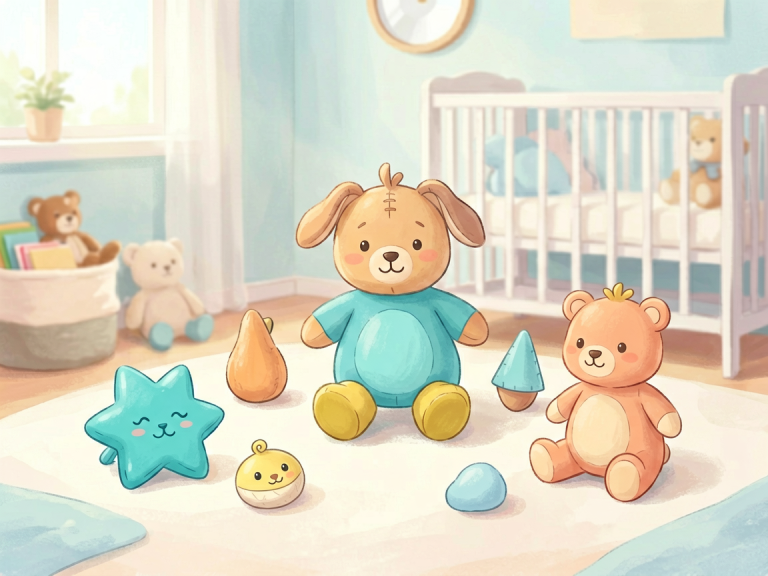
When a child turns one, the world of play expands dramatically. At this age, babies are no longer passive observers; they are active explorers, crawling, pulling up, and beginning to experiment with cause and effect. Parents often find themselves inundated with plastic rattles, plush blocks, and musical devices, yet many quickly realize that a one-year-old’s attention span is fleeting, and their toy needs evolve almost weekly. In the midst of this whirlwind, the idea of purchasing used toys emerges not just as a budget-friendly alternative but as a thoughtful, sustainable choice. Yet, navigating the market of pre-loved playthings for such a vulnerable age group requires careful consideration. The term “used toys” often evokes images of faded colors and missing pieces, but for one-year-olds, these second-hand items can be a goldmine of learning opportunities—provided they meet stringent safety and developmental standards. This article explores the multifaceted world of used toys for one-year-olds, weighing the risks against the rewards, and offering a practical guide for parents who want to make informed, responsible decisions.
Safety First: Key Considerations When Selecting Used Toys for 1-Year-Olds
The primary concern with any toy given to a one-year-old is safety, and this becomes even more critical when the item has had a previous life. At twelve months, infants are still in the oral stage; they explore their environment by mouthing objects, gnawing on corners, and drooling over surfaces. Used toys must undergo a rigorous inspection for hazards that new products do not present. First and foremost, check for small parts. A toy that was originally designed for a toddler of two or three may have had small components—like button eyes, detachable wheels, or battery covers—that are now loose or missing. For a one-year-old, any piece small enough to fit inside a toilet paper tube poses a choking risk. Next, examine the material integrity. Plastic toys that have been tossed around for years may have developed sharp edges or cracks. Wooden toys, while durable, can splinter if not properly maintained. Stuffed animals are particularly tricky: the seams can weaken, and the stuffing (especially if it is old polyester fiberfill) can harbor dust mites, mold, or bacteria. Batteries in electronic toys require special vigilance. Used battery compartments may be corroded or insecure; the acid leakage from old batteries is toxic and can cause chemical burns if a child manages to open the compartment. A simple rule applies: if the toy does not meet the standards of a brand-new item in terms of structural integrity, it must be rejected. Furthermore, always confirm that the used toy complies with current safety regulations. Older toys might predate mandatory safety updates, such as the removal of phthalates, BPA, or lead-based paints. In the United States, the Consumer Product Safety Improvement Act (CPSIA) passed in 2008 significantly tightened limits on lead and phthalates, but a toy manufactured before that year could contain unsafe levels. For one-year-olds, whose developing nervous systems are especially vulnerable, no compromise is acceptable.
The Hidden Benefits: Why Used Toys Can Be Ideal for Toddler Development
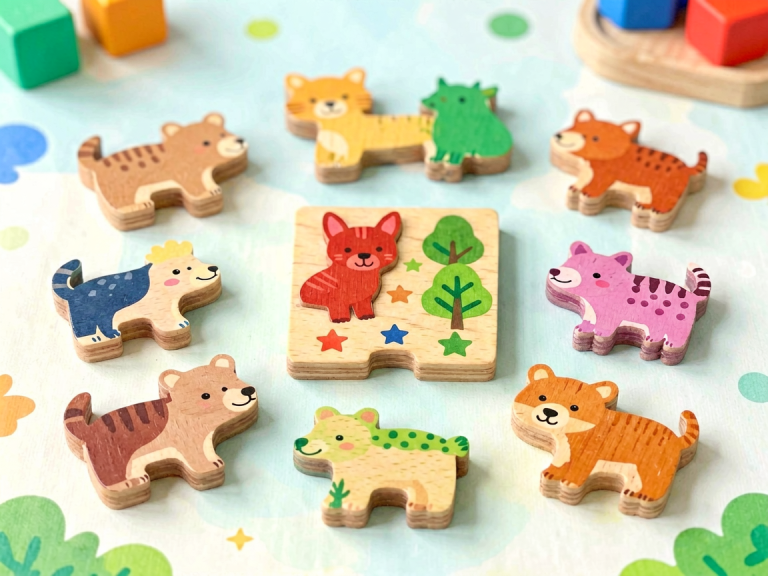
Despite the cautionary tales, there are compelling reasons to embrace used toys for one-year-olds. One often overlooked advantage is that older toys tend to be simpler and more open-ended, which aligns perfectly with the cognitive and motor development of a one-year-old. Modern electronic toys often buzz with lights and sounds, capturing attention but not necessarily encouraging active problem-solving. A used set of wooden stacking rings, a pull-along animal, or a set of chunky shape-sorting blocks—items that have been loved by another child—offer rich sensory experiences without overstimulation. For a one-year-old, the brain is wired to learn through repetitive, hands-on manipulation. A slightly worn rubber ball that bounces unpredictably teaches cause and effect far more effectively than a screen that responds with prerecorded laughter. Moreover, used toys often come with a patina of history that can spark imaginative play. A child may not understand that the scratched wooden train traveled through another nursery, but the subtle wear makes the object feel more organic and less sterile. Another hidden benefit is cost savings, which can be redirected toward experiences rather than possessions. One-year-olds grow rapidly, and their interests shift from rattles to push toys to simple puzzles within months. Buying new for each stage can strain budgets, whereas gently used toys allow parents to offer variety without financial guilt. Additionally, the reduced demand for new plastic production—toys are among the most plastic-intensive consumer goods—means that choosing used is an environmentally responsible act. Every pre-loved toy kept out of a landfill and away from the manufacturing pipeline represents a small but meaningful step toward sustainability.
What to Look For: A Practical Checklist for Selecting Used Toys
To maximize the benefits and minimize the risks, parents should approach used toy shopping with a systematic checklist, especially for items intended for one-year-olds. First, prioritize hard, non-porous surfaces. Plastic blocks, wooden toys, silicone teethers, and metal (smooth) objects are easiest to clean and sanitize. Avoid toys with fabric components unless they are machine-washable and have intact seams. Stuffed animals should be fully inspectable; if the stitching is loose or the animal has a zipper that a child could open, pass it by. Second, check for recalls. The U.S. Consumer Product Safety Commission (CPSC) maintains a searchable database of recalled toys. Keep your phone handy at yard sales or thrift stores to quickly look up models and manufacturers. Third, look for the “ASTM” mark or “CE” mark (for European markets), which indicates that the toy was originally tested for safety. However, note that a used toy may have been modified or damaged after its certification. Fourth, assess the item for wear that could produce hazards. For example, a painted wooden block with chipped paint might release lead or other heavy metals if the paint is old. A plastic teether that has become cloudy or sticky could be degrading and leaching chemicals. Finally, consider age labeling. A toy labeled “3+” will often have small parts that are inappropriate for a one-year-old, even if the child seems advanced. Stick to toys explicitly marked for 12-month-olds or younger, or that are clearly designed for simple grasping and mouthing. If a used toy has removable parts—like a stacking ring set—count all pieces to ensure none are missing, since missing pieces might have been ingested or lost in a dangerous location.
Common Pitfalls to Avoid: Age-inappropriate and Hazardous Items
Despite good intentions, parents can fall into several traps when acquiring used toys. One frequent mistake is assuming that a toy is safe simply because it looks “vintage” or “classic.” Older toys, particularly those from the 1970s, 80s, and early 90s, may contain lead paint, phthalates, or small parts that were once allowed but are now prohibited. A wooden train set from a grandmother’s attic might be charming, but it could also be coated with high-lead paint that chips easily. Another pitfall is neglecting to clean thoroughly. Even if a used toy passes a visual safety check, it may harbor germs. One-year-olds have immature immune systems and are prone to picking up colds and stomach bugs. Always sanitize non-porous toys with a bleach solution (1 tablespoon of bleach per gallon of water) or a commercial toy-safe disinfectant. For wood, use a mild soap and water, then dry completely. Stuffed animals should be laundered on hot water and dried on high heat. Additionally, avoid toys with batteries that are corroded or that require small coin-cell batteries, which are especially dangerous if swallowed. A used electronic toy that has a loose battery cover should be fixed or discarded. Finally, beware of magnets. Magnetic toys—like wooden puzzles with magnetic wands or building sets—can be deadly for a one-year-old if a magnet detaches and is swallowed, because two magnets can attract each other through intestinal walls and cause perforation. Unless the magnets are securely embedded and impossible to access, avoid all magnetic toys for infants.
Eco-Friendly Parenting: The Environmental Impact of Choosing Used Toys
Beyond individual benefits, the choice to buy used toys for one-year-olds contributes to a broader ecological shift in parenting culture. The toy industry is notorious for its environmental footprint. Most toys are made from petroleum-based plastics, shipped across oceans, packaged in non-recyclable materials, and many end up in landfills within months of purchase. According to a 2023 report by the Ellen MacArthur Foundation, the global toy industry generates over 40 million tons of plastic waste annually. By choosing used toys, parents directly reduce demand for new plastic production, lower the carbon emissions associated with manufacturing and transportation, and keep functional items out of the waste stream. For one-year-olds, who cycle through toys so rapidly, the cumulative impact of buying second-hand can be substantial. Furthermore, used toys often come with no additional packaging—a significant reduction in household waste. Many communities also have toy libraries or swap events where families can exchange toys temporarily, extending the lifespan of each item. This model aligns with the principles of a circular economy and teaches children—even at one year old, indirectly—a value system based on resourcefulness rather than consumption. Parents who make used toys a conscious choice also send a message to manufacturers and retailers that durability and timeless design matter, pushing the market toward longer-lasting, safer products in the future.
Conclusion: Balancing Value, Safety, and Sustainability
The decision to incorporate used toys into a one-year-old’s playroom is not merely a financial one; it is a holistic choice that touches on child development, consumer ethics, and environmental stewardship. When done carefully, selecting pre-loved items can provide a richer, more tactile, and more diverse play experience than a homogeneous collection of brand-new plastic gizmos. The key lies in vigilance. Every used toy must pass a rigorous check for choking hazards, chemical safety, structural integrity, and cleanliness. Parents should develop a habit of sanitizing, inspecting, and occasionally retiring toys that show signs of wear. At the same time, they can feel proud of reducing waste and embracing a slower, more thoughtful approach to accumulated possessions. One-year-olds do not care whether their rattle is shiny and new or gently aged; they care only whether it makes a satisfying sound, fits in their mouth, and invites them to explore. By choosing used toys wisely, parents give their children not just a toy, but a lesson in care, attention, and the gentle passage of love from one child to another.