The Timeless Allure of Second-Hand Toys: A Treasure Trove for 10-Year-Olds
—
Introduction
At ten years old, children stand at a fascinating crossroads of childhood and early adolescence. Their cognitive abilities are expanding rapidly, their social worlds are growing more complex, and their play preferences shift from simple, repetitive activities to more nuanced, imaginative, and strategic experiences. In the midst of this transition, the toys they interact with can play a profound role in shaping their development. While flashy new gadgets and the latest branded action figures often dominate toy-store shelves, there is a quiet, underappreciated world of second-hand toys that offers remarkable value for both the child and the family.
Second-hand toys—whether picked up at garage sales, thrift stores, online marketplaces, or handed down from siblings—are not simply cheaper alternatives. For a 10-year-old, they can be gateways to creativity, sustainability, and a deeper appreciation for the objects they own. This article explores why second-hand toys are an excellent choice for children of this age, examining developmental benefits, economic and environmental advantages, practical considerations, and the unique joy of discovering pre-loved treasures.
—
The Developmental Needs of a 10-Year-Old
At age ten, children are often described as being in the “golden age” of middle childhood. They have developed fine motor skills to a point where they can handle intricate construction sets, craft materials, and board games with confidence. Their logical thinking is advancing, allowing them to follow complex rules, plan strategies, and solve multi-step problems. At the same time, their imagination remains lively, and they still deeply value open-ended play—activities that let them invent their own stories and worlds.
Second-hand toys can perfectly align with these developmental milestones. For example, a second-hand set of wooden building blocks or a vintage LEGO collection (perhaps missing a few pieces) challenges a 10-year-old to improvise, adapt, and think creatively. Unlike brand-new kits that come with a specific instruction booklet and a predetermined outcome, used toys often arrive incomplete or with parts that require sorting, mending, or repurposing. This very imperfection encourages problem-solving and resilience—skills that are far more valuable than the instant gratification of a perfectly packaged product.
Moreover, many second-hand toys are classic designs that have stood the test of time. A well-worn Monopoly board, a set of used marbles, a wooden train set, or a collection of plastic animal figurines from the 1990s can spark open-ended storytelling and collaborative play among friends. They do not rely on screens or batteries; they rely on the child’s own initiative and social interaction. For a 10-year-old who is beginning to form stronger peer relationships, these toys provide a neutral ground for negotiation, cooperation, and even gentle competition—all essential social emotional skills.
—
Economic and Environmental Benefits
One of the most obvious advantages of second-hand toys is cost savings. Children at the age of ten often develop intense but short-lived interests. A passion for a particular cartoon character might burn bright for six months and then fade. Buying brand-new toys for every fleeting fascination can strain a family’s budget. Second-hand options allow parents to satisfy the child’s curiosity without breaking the bank. For the same price of one new video game, a parent might pick up a whole box of used board games, puzzle sets, and craft supplies—all of which can provide weeks of entertainment.
Beyond the wallet, second-hand toys are a powerful tool for teaching environmental stewardship. Ten-year-olds are old enough to understand basic concepts of waste, recycling, and resource conservation. When a child receives a used toy, they can be told a simple story about its previous life: “This teddy bear belonged to another child who loved it, and now it’s your turn to take care of it.” This narrative fosters a sense of responsibility and gratitude. Rather than contributing to the mountains of plastic waste that end up in landfills, families who choose second-hand are keeping toys in circulation. Many modern toys are made from non-biodegradable plastics, and the carbon footprint of manufacturing and shipping a new toy is significant. By extending the life of an existing toy, a family reduces its environmental impact in a tangible, teachable way.
Additionally, second-hand toy markets often feature products from an era when toys were built to last. A 1980s Fisher-Price castle, a metal Tonka truck, or a wooden puzzle from the 1970s are often sturdier than their modern, mass-produced counterparts. This durability means they can survive the energetic play of a 10-year-old—and even be passed down to younger siblings or friends afterward.
—
Where to Find Quality Second-Hand Toys
The success of a second-hand toy hunt depends largely on knowing where to look. For families with a 10-year-old in mind, the following sources are especially fruitful:
Thrift stores and charity shops are treasure chests. Many donation centers receive a steady stream of toys from families whose children have outgrown them. Look for puzzles with all their pieces (check the box), board games with intact boards and cards, and building sets. Some thrift stores have dedicated toy sections where you can find gently used LEGO, Playmobil, K’NEX, and even electronic learning toys.
Online marketplaces such as Facebook Marketplace, Craigslist, and local “buy nothing” groups offer incredible convenience. Parents can search specifically for “toy lots” or “10-year-old boy/girl toys.” Many sellers are happy to give away or sell cheaply a whole bag of toy cars, action figures, or craft supplies. The key is to filter by location and read descriptions carefully.
Garage sales and estate sales are perhaps the most adventurous option. On a Saturday morning, a family can drive through neighborhoods and discover unexpected gems. Estate sales, in particular, often have high-quality vintage toys that were carefully stored for decades. A 10-year-old who loves history might be thrilled to find a toy from their parents’ own childhood—a Transformers action figure, a Tamagotchi, or a set of original Polly Pockets.
Hand-me-downs from friends and relatives should not be overlooked. A trusted cousin’s outgrown LEGO collection or a neighbor’s gently used board games can be acquired for free. This also creates a social bond—the child knows the toy came from someone they know, adding a layer of personal connection.
—
Safety and Hygiene Considerations
While second-hand toys offer many benefits, parents must exercise caution, especially for children at age ten who still may put small objects in their mouths (though less frequently than toddlers). Always inspect toys for safety hazards: sharp edges, loose small parts that could be choking hazards, peeling paint (which might contain lead in older toys), or broken mechanisms. For electronic toys, check that battery compartments are secure and not corroded.
Hygiene is another concern. Toys that have been stored in attics, basements, or garages may accumulate dust, allergens, or even mold. A thorough cleaning is essential. Most hard plastic toys can be washed with warm soapy water and a scrub brush. Fabric toys—stuffed animals, doll clothes—should be machine-washed on a gentle cycle (if the label allows) or hand-washed. Board games with cardboard components can be gently wiped with a damp cloth, but be careful not to damage the printed surfaces.
For older toys manufactured before the 2000s, there is a potential risk of lead-based paint or phthalates in soft plastics. In the United States, the Consumer Product Safety Commission has guidelines, but a cautious parent can buy a simple lead-testing kit from a hardware store. Alternatively, focus on well-known brands that have historically followed stricter safety standards, such as LEGO, Fisher-Price, and Melissa & Doug.
Ultimately, a 10-year-old is old enough to understand and participate in the cleaning process. Involve them in inspecting and washing the toys—this turns the chore into an educational activity about responsibility and care.
—
Encouraging Creativity and Imagination
Perhaps the most compelling argument for second-hand toys for a 10-year-old is their capacity to fuel the imagination in ways that media-tied merchandise often cannot. Modern toys are frequently designed around a specific movie or TV franchise—every character, vehicle, and accessory comes with a predetermined narrative. While there is nothing inherently wrong with that, it can limit a child’s creative freedom. The excitement of brand-new, heavily advertised toys often fades quickly once the associated movie is no longer in theaters.
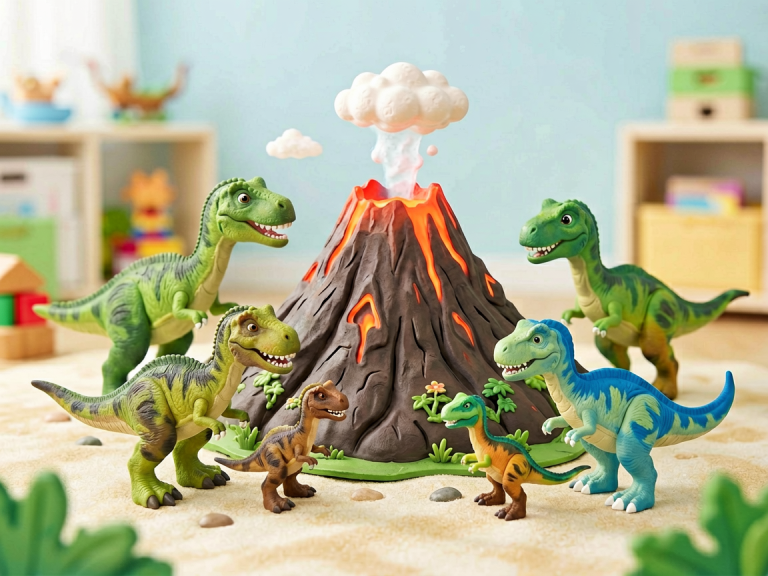
A second-hand toy, by contrast, comes with no script. A mismatched set of plastic dinosaurs, a scattered collection of dollhouse furniture, a bag of random LEGO bricks—these are invitations to invent. A 10-year-old can imagine that the toy dinosaurs are from a lost island, or that the dollhouse furniture belongs to a family of tiny travelers. The open-ended nature of such play builds narrative skills, problem-solving, and emotional expression.
Moreover, second-hand toys often include items that are no longer produced, making them unique. A child might discover a vintage spaceship from the 1980s that no one else in their class has. That uniqueness can boost self-esteem and even spark a niche interest in collecting or history.
—
Social and Emotional Lessons
Using second-hand toys also teaches subtle but important life lessons. When a child receives a used toy, they learn that objects have value beyond their newness. They practice gratitude for what they have instead of constantly craving the newest release. They learn that one person’s discarded item can be another’s precious possession—a lesson in empathy and perspective-taking.
For a 10-year-old, who is often comparing themselves to peers, receiving second-hand toys can be handled positively if framed correctly. Parents can emphasize the story behind the toy, the thrill of the “treasure hunt,” and the environmental impact. It is also helpful to allow the child to choose some of their own second-hand toys, so they feel agency rather than being given “hand-me-downs.” A Saturday morning thrift store adventure, with a small budget, can be as exciting as a trip to a big-box store.
Furthermore, second-hand toys can become part of family traditions. A parent might share memories of playing with a similar toy in their own childhood. Grandparents might pass down a toy that once belonged to the child’s aunt or uncle. These intergenerational connections create emotional depth that no package from a factory can replicate.
—
Conclusion
In a world that constantly pushes children to want the newest, shiniest, and most expensive, second-hand toys stand as a quiet rebellion—a return to meaningful, sustainable, and creative play. For a 10-year-old, these toys are not “less than”; they are different. They invite imagination, foster resourcefulness, teach responsibility, and provide economic relief to families. They also connect children to the past, to their families, and to the environment in tangible ways.
Whether it’s a dusty bin of LEGO bricks from a garage sale, a classic board game from a thrift store, or a hand-me-down dollhouse from a cousin, each second-hand toy carries a history and a future. It is a reminder that play does not require perfection—and that the most memorable adventures often begin with a pre-loved treasure. For parents of 10-year-olds, embracing second-hand toys is not just a frugal choice; it is a thoughtful investment in their child’s development, creativity, and character.
So the next time you see a “Toys for Sale” sign in a front yard or browse the toy aisle of a charity shop, pause and imagine the possibilities. That worn-out puzzle may be missing a piece, but it might also be missing a boring instruction manual. That faded action figure might not be the current popular character, but it might be the start of a whole new story—one that only a 10-year-old can write.