The Hidden Treasures: Why Second-Hand Toys Are Ideal for Two-Year-Olds
Introduction
When a child reaches the age of two, the world becomes an endless playground of discovery. At this developmental stage, toddlers are rapidly expanding their vocabulary, refining their motor skills, and exploring cause-and-effect relationships through play. Parents often find themselves navigating a sea of toy catalogs, store shelves, and online marketplaces, searching for the perfect items to stimulate their little ones. However, there is a growing movement that challenges the conventional wisdom of buying brand-new toys. Second-hand toys—gently used, pre-loved items passed from one family to another—offer a surprisingly rich and practical solution for the specific needs of two-year-olds. This article explores the multifaceted benefits of incorporating second-hand toys into a toddler’s playroom, addressing safety, developmental appropriateness, environmental impact, and economic sensibility. By the end, you may see that those well-worn building blocks or that slightly faded stuffed animal hold far more value than their original price tag suggests.
The Developmental Sweet Spot: Why Two-Year-Olds Thrive with Used Toys
A Stage of Rapid Change and Exploration
At age two, children are in the midst of a cognitive and physical explosion. They are learning to walk with confidence, climb, push, pull, and manipulate objects with increasing precision. Their attention spans are short, and their interests can shift dramatically from day to day. A toy that captivates them one morning might be ignored by the afternoon. This natural variability makes the second-hand market particularly appealing. Instead of investing heavily in an expensive, shiny new toy that might lose its novelty within a week, parents can acquire a variety of gently used items at a fraction of the cost. For example, a set of wooden blocks that has been loved by several families still provides the same stacking, sorting, and knocking-down opportunities as a new set—and the slight wear may even add tactile interest that a sterile new toy lacks.
Simplicity Over Complexity
Many modern toys aimed at two-year-olds are loaded with flashing lights, electronic sounds, and complex instructions. Yet child development experts consistently remind us that young children benefit most from open-ended, simple playthings. Second-hand toys—especially those from earlier decades—often embody this principle perfectly. A classic pull-along toy, a set of nesting cups, or a simple wooden puzzle requires the child to engage their imagination and problem-solving skills without passive entertainment. Moreover, second-hand toys are frequently made of more durable materials like solid wood or heavy-duty plastic, which withstand the energetic handling of a toddler far better than many cheap, modern alternatives. The worn edges and faded paint of a second-hand toy tell a story of previous children who laughed, chewed, and dropped it, and this history can actually make the object more inviting to a two-year-old who is learning about permanence and relationships.
Safety and Hygiene: Addressing Common Concerns
The Myth of Second-Hand Unsafety
One of the first objections parents raise about second-hand toys is safety. Will the toy meet current safety standards? Does it contain lead paint, small parts, or sharp edges? These are valid questions, but they are not insurmountable. In fact, many second-hand toys from reputable brands are more robust than their modern counterparts. However, the key lies in careful selection. Parents should avoid toys manufactured before the 1970s or those with a strong chemical smell. Modern second-hand toys (say, from the last five to ten years) are generally subject to the same rigorous safety regulations as new ones, especially in countries like the United States and the European Union. Additionally, a quick inspection can reveal loose parts, splinters, or frayed edges that can be repaired or discarded. The internet provides abundant resources on recalls and safety ratings, allowing parents to make informed decisions.
Cleaning and Sanitization
A two-year-old’s immune system is still developing, so hygiene is understandably a priority. Fortunately, most second-hand toys can be thoroughly cleaned with simple household methods. Hard plastic toys can be washed in warm, soapy water or run through the dishwasher on a gentle cycle. Wooden toys can be wiped down with a mild vinegar-and-water solution or a dilute bleach spray, then allowed to air dry. Stuffed animals can often be machine-washed on a gentle cycle and dried on low heat, or placed in the freezer for 24 hours to kill dust mites. For electronic toys, a damp cloth with a little rubbing alcohol on non-electrical surfaces works well. After cleaning, the toys are as safe as any new product—and often safer, because any volatile organic compounds from manufacturing have long since off-gassed. In fact, second-hand toys may be healthier for toddlers than brand-new ones that sometimes release chemical fumes from packaging or paints.
Economic and Environmental Wisdom
Stretching the Family Budget
The cost of raising a child continues to climb, and toys represent a significant line item. A single new, high-quality toy for a two-year-old can easily cost $30 to $50—or more if it is an electronic learning gadget. Meanwhile, thrift stores, garage sales, and online marketplaces like Facebook Marketplace or eBay offer the same toy, often in excellent condition, for $5 to $10. The savings multiply quickly when parents build an entire collection of blocks, puzzles, cars, and dolls from second-hand sources. Moreover, because two-year-olds outgrow toys rapidly, parents can resell or donate the items once their child moves on, creating a circular economy that benefits other families. This not only frees up closet space but also reduces the overall financial burden of the toddler years.
Reducing Waste and Teaching Values
From an environmental perspective, the toy industry generates enormous amounts of plastic waste. Many toys are made from non-recyclable materials and end up in landfills after a short lifespan. Choosing second-hand toys directly reduces the demand for new production, conserving resources like petroleum, water, and energy. For parents who wish to instill early values of sustainability and mindfulness, integrating second-hand toys into daily life offers a silent but powerful lesson. A two-year-old may not understand the concept of recycling, but they absorb the idea that objects can have multiple lives and that sharing is part of a community. When a child sees their parent carefully selecting a pre-loved toy and later passing it on to a younger cousin, they internalize a sense of stewardship that goes beyond any lecture.
Practical Tips for Building a Second-Hand Toy Collection for a Two-Year-Old
Where to Look
The first step is knowing where to find quality second-hand toys. Thrift stores and charity shops often have a dedicated toy section, though the selection can be hit-or-miss. Garage sales and neighborhood swap events are excellent for scoring large lots at low prices. Online platforms like Craigslist, Facebook Marketplace, and the “Buy Nothing” groups allow parents to search for specific items or browse local listings. Freecycle communities sometimes offer toys for zero cost. Yard sales in affluent neighborhoods tend to have higher-end toys in better condition. Another excellent resource is consignment sales organized by local parent groups, where items are inspected and sorted. Finally, don’t overlook hand-me-downs from friends and family—often the best source of tried-and-true toys.
What to Prioritize for Two-Year-Olds
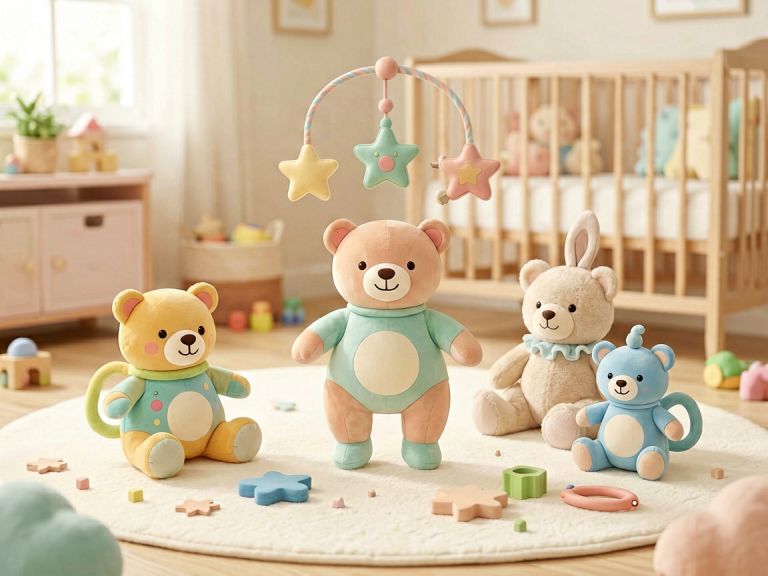
When shopping for a two-year-old, focus on open-ended toys that encourage creativity and fine motor development. Building blocks (both wooden and large plastic), shape sorters, simple puzzles with large knobs, stacking rings, toy cars and trucks (without small wheels that can come off), dolls and stuffed animals (machine-washable), play kitchen items, and musical instruments like tambourines or xylophones are all excellent choices. Look for toys that are age-appropriate in terms of size and absence of choking hazards. Avoid toys with batteries that cannot be easily replaced or cleaned, as well as toys with small magnets or buttons that could become loose. Always check for any recalls online, especially for older toys. A quick search on the Consumer Product Safety Commission website can provide peace of mind.
Repurposing and Repairing
Part of the charm of second-hand toys is that they often need a little TLC. A missing wheel can be replaced with a similar one from another broken toy; a faded wooden block can be lightly sanded and re-sealed with non-toxic beeswax; a stained stuffed animal can be given a new ribbon or button eye (sewn securely). Teaching a two-year-old to participate in these simple repairs—perhaps by handing them a clean cloth or letting them choose a new ribbon—fosters a sense of care and creativity. Moreover, the act of repairing extends the toy’s life and reinforces the idea that things are not disposable.
Addressing Skepticism: Cultural and Social Considerations
The Pressure to Buy New
In many social circles, there is an unspoken expectation that children deserve only the best, and “best” is often equated with “new.” Grandparents may insist on buying a shiny, store-wrapped gift. Playgroups may compare the latest toys. Parents can feel embarrassed to admit they bought something second-hand. Yet the tide is slowly turning. Millennial and Gen Z parents, in particular, are increasingly embracing minimalism, sustainability, and frugality. Sharing a story about a beloved second-hand toy that has become a child’s favorite can actually spark meaningful conversations about values. Furthermore, many second-hand toys are indistinguishable from new ones after a good cleaning. The key is to reframe the narrative: a second-hand toy is not a sign of deprivation but a sign of resourcefulness, intelligence, and love for the planet.
The Child’s Perspective
Do two-year-olds care whether a toy is new or used? Not in the slightest. A toddler’s fascination is driven by color, texture, sound, and the possibilities for interaction. A well-worn teddy bear with a missing eye is often more comforting than a pristine one because it feels soft and familiar. A set of slightly scratched cars offers the same rolling, crashing, and lining-up fun. In fact, some researchers suggest that toys with “character” from previous use can enhance imaginative play because they carry an implicit history. A child might invent stories about where the toy has been before, turning the act of play into a richer narrative experience.
Conclusion
The world of toys for two-year-olds is vast, but the most thoughtful choices are not always the most expensive or the newest. Second-hand toys offer a unique combination of developmental benefits, economic savings, environmental responsibility, and even emotional depth. By selecting carefully, cleaning thoroughly, and embracing the stories these objects carry, parents can provide their toddlers with a diverse and stimulating play environment without breaking the bank or the planet. The next time you see a garage sale sign or browse a thrift store aisle, consider the hidden treasures waiting to be rediscovered. A two-year-old’s delight does not depend on a glossy package; it depends on the joy of discovery, the comfort of a familiar shape, and the simple magic of play. And that magic, as any parent knows, is always pre-loved.