The Hidden Hazard: Understanding and Managing Toy Noise Levels for 10-Year-Olds
Introduction: The Sound of Play
Play is the language of childhood, and toys are its vocabulary. For a 10-year-old, toys are not merely objects of amusement; they are tools for learning, social interaction, and emotional expression. From action figures and board games to electronic gadgets and musical instruments, the modern toy market offers an astonishing variety. Yet, amid the excitement of flashing lights and digital effects, one critical factor often goes unnoticed: the noise level. While parents may worry about choking hazards or toxic materials, the decibel output of a toy can pose an equally serious—and often overlooked—risk to a child’s auditory health. This article delves into the science, standards, and practical strategies surrounding toy noise levels for 10-year-olds, a demographic that is particularly vulnerable due to their frequent unsupervised use of electronic toys and their growing independence.
—
1. The Science of Sound: Why Decibels Matter for 10-Year-Olds
To understand the danger, one must first grasp how sound works. Sound intensity is measured in decibels (dB), a logarithmic scale. A whisper is around 30 dB, normal conversation hovers at 60 dB, and a rock concert can exceed 110 dB. The human ear can tolerate brief exposures to loud sounds, but prolonged or repeated exposure to levels above 85 dB can cause permanent hearing damage. For children, the threshold is even lower because their ear canals are smaller, amplifying sound pressure. The World Health Organization (WHO) recommends that children not be exposed to noise levels above 75 dB for extended periods.
Ten-year-olds are at a unique crossroads. They have outgrown the toddler stage where parents closely monitor every toy, yet they lack the mature judgment of adolescents. They may hold a toy directly against their ear, use headphones without volume limits, or play with noisy electronic toys for hours while engrossed in imaginative scenarios. According to a study published in the journal *Pediatrics*, many common toys for children aged 8–12 produce sounds between 80 and 110 dB when held close to the ear—a range that can cause irreversible hearing loss after just 15 minutes of continuous exposure. Toys such as toy guns, sirens, motorized vehicles, and musical instruments (e.g., electronic keyboards and drum sets) are among the worst offenders. The problem is compounded by the fact that children often use these toys in echo-prone environments like bedrooms or playrooms, which further amplify noise.
—
2. Regulatory Gaps: How Current Standards Fall Short
In the United States, the Consumer Product Safety Commission (CPSC) regulates toy noise under the ASTM F963 standard, which mandates that toys must not produce sounds exceeding 85 dB when measured at a distance of 50 cm (about 20 inches) from the source. For toys intended to be held close to the ear (like toy phones or headphones), the limit is 65 dB. These regulations sound reasonable, but they have significant loopholes. First, the measurement distance of 50 cm does not reflect real-world usage. Children frequently hold toys directly next to their ears, especially during interactive play. A toy siren that measures 85 dB at 50 cm can easily exceed 100 dB at ear-level distance. Second, many toys marketed for “older children” (ages 8 and up) are exempt from the strictest testing requirements because manufacturers assume older kids are more responsible. Finally, the standard is voluntary, not mandatory, meaning companies can self-certify without independent verification. A survey by the Hearing Health Foundation found that nearly 40% of toys tested in retail stores exceeded safe noise levels when used as children actually use them.
In the European Union, the EN 71-1 standard is slightly more stringent, but similar issues persist. For 10-year-olds, who are often given more complex electronic toys—such as gaming headsets, walkie-talkies, and remote-controlled cars—the risk increases. A gaming headset marketed for “tweens” might have a built-in volume limiter, but many cheaper models bypass this feature. Moreover, children may bypass safety settings by holding down buttons or covering speakers to increase volume. Without robust enforcement and clearer labeling, parents are left to guess which toys are safe.
—
3. The Long-Term Health Impact: More Than Just Hearing Loss
The immediate danger of loud toys is noise-induced hearing loss (NIHL), which is cumulative and permanent. Once the hair cells in the inner ear are damaged, they do not regenerate. For a 10-year-old, early hearing loss can lead to speech delays, academic difficulties, and social isolation. However, the consequences extend beyond the ears. Chronic exposure to loud noise—even at levels below the threshold of pain—can trigger stress responses, elevate cortisol levels, and disrupt sleep. Children who play with noisy toys before bedtime may have trouble falling asleep or experience poorer sleep quality, which in turn affects cognitive function and emotional regulation. Studies have also linked high noise levels to increased irritability and attention deficits in children. A 2022 paper in *Environmental Research* found that children who regularly played with toys exceeding 85 dB had a 30% higher incidence of self-reported headaches and a 15% higher rate of anxiety symptoms compared to a control group.
Furthermore, the social aspect of play is compromised. A 10-year-old using a screaming toy siren or a loud electronic game may unknowingly disturb siblings, pets, or neighbors, leading to conflict. In schools and aftercare programs, toys with high noise levels can create chaotic environments that hinder learning and cooperative play. Teachers often report that electronic toys with loud sound effects are the most frequent source of classroom disruption. Thus, managing toy noise is not just a health issue but a matter of fostering a respectful and calm play culture.
—
4. Empowering Parents and Educators: Practical Strategies for Safe Play
Given the regulatory gaps, the onus falls on parents, caregivers, and educators to monitor toy noise. The following evidence-based strategies can help protect 10-year-olds without stifling their fun.
a. Measure Before You Buy: Use a Decibel Meter App
Before purchasing a toy, use a free smartphone decibel meter app to test its volume at the distance a child would typically hold it. Hold the toy at ear level and measure the peak sound. If it exceeds 85 dB, consider a quieter alternative. Many apps are accurate enough for consumer use. For example, the NIOSH Sound Level Meter app (from the CDC) is reliable and free.
b. Look for Volume Control and Certified Labels
Choose toys that have a dedicated volume control button or a “low volume” setting. Avoid toys that default to maximum volume without an easy way to adjust it. Some responsible manufacturers display a “hearing safe” logo or comply with the ASTM F963 standard prominently on the packaging. However, be aware that a label does not guarantee real-world safety—always test yourself.
c. Set Time Limits and Encourage Breaks
The risk of hearing damage is dose-dependent. Even a moderately loud toy (75–85 dB) can be harmful if used for hours. Establish a rule: after 30 minutes of play with any electronic noisemaker, take a 10-minute quiet break. This gives the ears time to recover. Additionally, create “quiet play” zones in the home where only non-electronic toys (books, puzzles, building blocks) are allowed.
d. Teach Children About Hearing Health
Ten-year-olds are old enough to understand basic anatomy. Use age-appropriate resources—such as videos or diagrams—to explain how ears work and why loud sounds are harmful. Empower them to self-advocate: teach them to say, “That’s too loud; can we turn it down?” or to move away from a noisy toy. When children internalize the importance of hearing conservation, they become more mindful during group play.
e. Modify Existing Toys with Simple Fixes
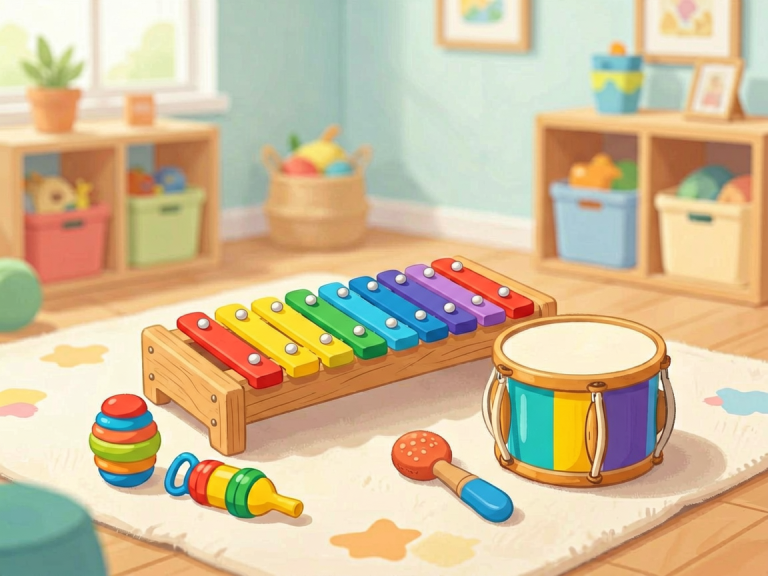
For toys already in the home, creativity can reduce noise. Place a small piece of tape over the speaker grille to muffle sound (without blocking airflow). Insert a resistor into battery-operated toys to lower volume—though this requires basic electronics knowledge or adult supervision. Alternatively, replace noisy electronic toys with their acoustic counterparts: a wooden drum instead of an electronic drum pad, a manual hand-crank siren instead of a battery-powered one.
f. Advocate for Stronger Regulations
On a community and policy level, parents can join advocacy groups such as the American Speech-Language-Hearing Association (ASHA) to push for mandatory third-party testing of toy noise levels and clearer warning labels. Writing to toy manufacturers and retailers can also encourage change. When consumers demand quieter toys, the market responds.
—
5. The Role of Toy Manufacturers and Designers
Industry responsibility cannot be ignored. Toy designers should prioritize acoustic engineering just as they prioritize safety in materials. Incorporating “smart volume” technology—which automatically reduces sound when the toy is brought close to the ear—is one promising development. Another is using audio compression to limit peak volumes without sacrificing sound quality. Companies like Lego and Melissa & Doug have already committed to keeping their toys below 80 dB. More brands should follow suit, not only for compliance but as a competitive advantage. A toy that is quietly enjoyed by a child is a toy that parents will buy again.
Furthermore, packaging should display decibel ratings in a simple, color-coded format (e.g., green for under 75 dB, yellow for 75–85 dB, red for over 85 dB). This would empower consumers to make informed choices instantly. Transparency builds trust and reduces liability.
—
6. Conclusion: Let the Sound of Play Be Gentle
Toys are meant to inspire joy, curiosity, and growth—not to cause harm. For 10-year-olds, whose hearing is still developing and whose play habits are increasingly autonomous, the risk of noise-induced damage is real but preventable. By understanding the science, acknowledging the failures of current regulations, and adopting practical strategies, we can ensure that the soundtrack of childhood remains safe. A toy that whispers is not a toy that fails; it is a toy that respects the delicate machinery of the ear. Let us teach children that the best play is not the loudest, but the most thoughtful. In a world full of noise, a quiet moment of play is a gift that truly resonates.
*(Word count: approximately 1,150 words)*