The Hidden Hazard: Understanding and Managing Toy Noise Levels for 18-Month-Olds
Introduction: Why Noise Matters for Toddlers
When we think about choosing toys for an 18-month-old, our minds naturally turn to safety: no sharp edges, no small parts that could be swallowed, non-toxic materials. Yet one of the most pervasive and often overlooked hazards is noise. Many popular toys—from rattles and musical instruments to electronic plush animals and interactive play panels—produce sounds that can exceed safe levels for a developing infant’s auditory system. For a child at 18 months, whose hearing is still maturing and whose communication skills are rapidly emerging, excessive toy noise is not just an annoyance; it can lead to permanent hearing damage, hinder language development, and cause behavioral distress. This article explores the science behind safe noise levels, the specific risks for toddlers, how to assess toy noise in the home, and practical strategies for parents and caregivers to make informed choices.
Understanding Safe Noise Levels for Young Children
According to the World Health Organization (WHO) and the American Academy of Pediatrics (AAP), continuous exposure to sounds above 85 decibels (dB) can cause hearing loss over time. For children, especially infants and toddlers whose ear canals are shorter and whose auditory systems are more sensitive, the recommended safe exposure limit is even lower. Many experts suggest that prolonged exposure to sounds above 60–70 dB may be harmful, and peak sounds (sudden loud bursts) above 120 dB can cause immediate damage.
To put this in context: normal conversation is around 60 dB, a vacuum cleaner runs at about 70 dB, and a motorcycle engine at 95 dB. Yet many battery-operated toys—especially those marketed as “musical” or “interactive”—produce sound levels between 80 and 100 dB when held close to the ear. The U.S. Public Interest Research Group (PIRG) has repeatedly found that some toys exceed 110 dB when tested at ear level. For an 18-month-old who naturally brings toys close to their face, mouth, or ear, the risk of overexposure is magnified.
The Unique Vulnerability of 18-Month-Olds
An 18-month-old is at a critical stage of auditory and language development. The brain is rapidly forming neural connections that process sound, differentiate phonemes, and build the foundation for speech. Excessive background noise or unpredictable loud bursts can interfere with this delicate process.
First, the ear canal of a toddler is smaller and more direct, meaning sound waves travel with less attenuation to the eardrum. Second, young children lack the reflexive ability to turn away from or muffle loud sounds. They are also unable to communicate discomfort effectively—a crying or startled response may be misattributed to other causes. Third, at 18 months, children are beginning to imitate sounds and words. If environmental noise is consistently loud, they may hear speech less clearly, potentially delaying vocabulary acquisition. A study published in *Pediatrics* found that children exposed to high levels of ambient noise (such as from electronic toys) had poorer speech perception and were less likely to produce correct consonant sounds.
Moreover, loud toys can cause immediate physical pain or discomfort, leading to irritability, sleep disturbances, and even a startle reflex that triggers crying or clinging behavior. This is not merely a matter of parental preference; it is a legitimate health and developmental concern.
Common Offenders: Which Toys Are Too Loud?
Not all noisy toys are created equal. Here are typical categories that pose risks for an 18-month-old:
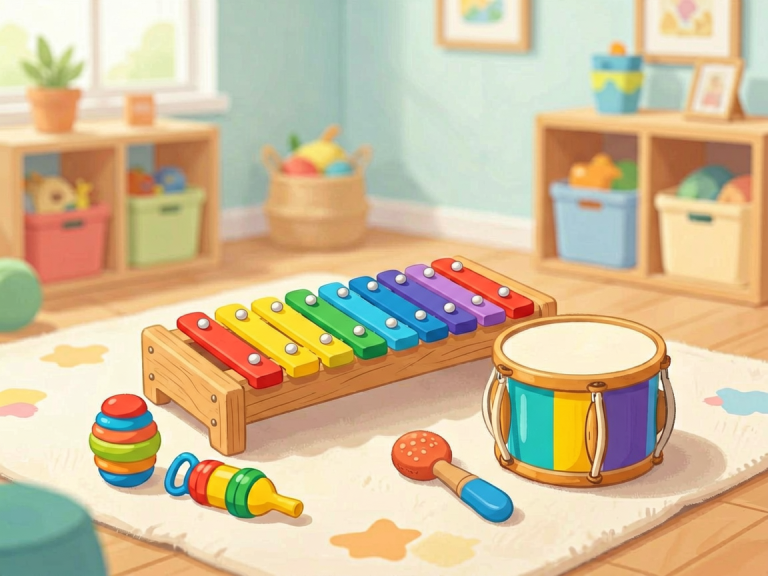
- Electronic musical instruments: Toy pianos, xylophones, drums, and guitars often amplify sound through small speakers. Many can reach 90–100 dB at the child’s ear.
- Interactive plush animals: Stuffed animals that sing, talk, or play lullabies may have volume buttons, but even at the lowest setting some exceed 80 dB.
- Vehicle toys: Toy cars, trains, and trucks with sound effects (sirens, horns, engine revving) can be especially loud because the sound emitter is often near the child’s body.
- Rattles and shakers: Traditional wooden or plastic rattles can produce sharp, high-pitched sounds up to 90 dB when shaken vigorously.
- Sound-making books: Electronic books with buttons that play animal noises or melodies often produce bursts of 85 dB or more.
It is crucial to note that the loudest sounds are not always from expensive, high-tech toys. Simple plastic toys with cheap, unregulated electronic components can produce unpredictable peak volumes.
How to Measure and Monitor Toy Noise
The good news is that parents and caregivers can take simple steps to assess toy noise without specialized equipment. The “arm’s length test” is a useful rule of thumb: hold the toy at arm’s length from your own ear. If the sound is uncomfortably loud for you, it is almost certainly too loud for your toddler. For a more precise measurement, a cheap decibel meter app on a smartphone (calibrated roughly) can give an indication. Better yet, use a standalone decibel meter.
Here are specific thresholds to keep in mind:
- Acceptable continuous sound: Below 65 dB at the child’s ear.
- Acceptable peak sound: Below 85 dB.
- Problematic: Any sound above 85 dB, especially if sustained.
- Dangerous: Sounds above 100 dB, even for an instant.
Parents should also check toy packaging: many manufacturers now voluntarily include decibel ratings or safety warnings. However, these ratings are often measured at a distance (e.g., 50 cm), not at the ear. Always test the toy yourself in a quiet room.
Mitigation Strategies: What Parents Can Do
Once you identify noisy toys, you have several options. The simplest is to modify the toy by covering the speaker with a piece of low-tack tape or adhesive foam to muffle sound. Some toys have volume control buttons—if so, set them to the lowest level. Remove batteries from electronic toys that are already too loud and use them as silent play objects.
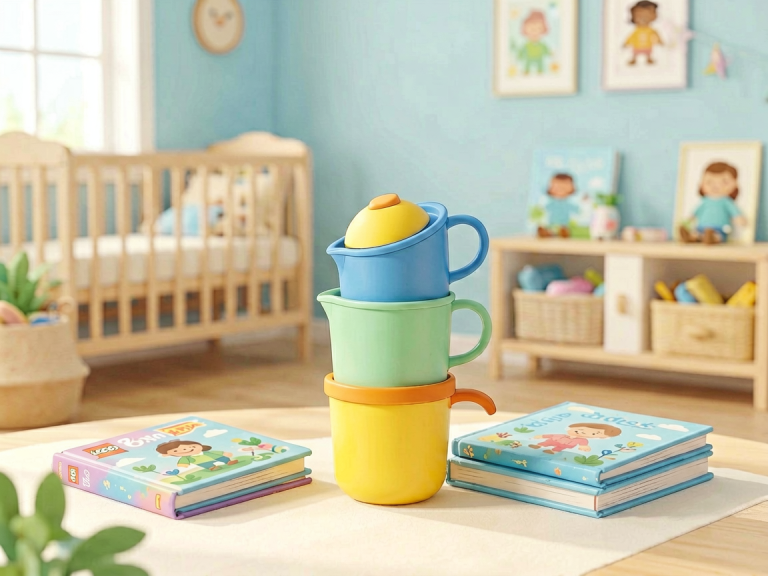
Another effective strategy is to create a quiet play environment. Designate certain times of day as “no-toy-sound” periods, especially before naps and bedtime. Rotate toys so that loud ones are used only rarely, under direct supervision, and for short durations. Also, consider replacing loud electronic toys with quieter alternatives: wooden blocks, soft fabric books, simple nesting cups, and unbreakable mirrors. These stimulate creativity and motor skills without the auditory assault.
Educate extended family and gift-givers. Grandparents, aunts, and family friends often buy toys that are flashy and loud because they seem more engaging. Politely share your concerns and ask that any gift toy be tested for noise before being given. You can even provide a list of quiet toy recommendations.
Regulatory Standards and the Need for Stronger Guidelines
Currently, toy noise safety standards vary widely by country. In the United States, the Consumer Product Safety Commission (CPSC) sets limits based on ASTM F963. For toys intended for children under 3 years, the continuous sound level should not exceed 90 dB when measured at 50 cm. However, this distance does not reflect how a child actually uses the toy. Many advocacy groups, including the American Speech-Language-Hearing Association (ASHA), argue that the limit should be lowered to 80 dB and measured at ear level (approximately 10–15 cm). The European Union has stricter standards, but enforcement remains inconsistent.
Until stronger regulations are enacted, the burden falls on parents to be vigilant. Manufacturers have a responsibility to design toys with default low volumes and to include clear warnings, but profit motives often lead to louder, more attention-grabbing features.
Conclusion: A Sound Approach to Choosing Toys
Selecting toys for an 18-month-old is an act of love that goes beyond entertainment. Every rattle, every song, every beep becomes part of the child’s auditory landscape. Protecting that landscape from excessive noise is as important as ensuring toys are free from choking hazards. By understanding safe decibel levels, testing toys at home, modifying or replacing overly loud ones, and advocating for stricter industry standards, parents can give their toddlers the gift of healthy hearing and a calm, conducive environment for language and cognitive development.
The quietest toys often turn out to be the ones that encourage the most engaged, imaginative play—and that is a sound investment in a child’s future. Let us choose wisely, listen carefully, and remember that for a toddler, the sweetest sound is the voice of a loving caregiver, not a shrieking electronic toy.