Are Building Blocks Good for Gross Motor Skills? Unlocking the Full-Body Potential of a Classic Toy
Introduction
When parents and educators think of building blocks, they often associate them with cognitive development, creativity, and fine motor skills. The image of a child carefully stacking small wooden cubes or snapping together plastic bricks is a familiar one, typically involving precise hand movements and finger dexterity. But a question that deserves deeper exploration is: *Are building blocks good for gross motor skills?* Gross motor skills involve the large muscles of the body—arms, legs, torso, and core—and are essential for activities like crawling, walking, running, jumping, and maintaining balance. At first glance, building blocks seem to belong firmly in the realm of fine motor play. However, a closer examination reveals that the relationship between building blocks and gross motor development is far more nuanced and, in many cases, surprisingly beneficial. This article will explore how different types of building blocks, the contexts in which they are used, and the physical demands of block play can contribute significantly to the development of gross motor skills in children, while also acknowledging the limitations and offering practical guidance for parents and educators.
Understanding Gross Motor Skills and the Diversity of Building Blocks
What Are Gross Motor Skills?
Gross motor skills refer to the ability to control the large muscles of the body to perform coordinated movements. These skills form the foundation for more complex physical activities and are critical for a child’s overall physical development. Key components include:
- Core strength and stability: Essential for sitting upright, maintaining posture, and supporting movement.
- Upper body strength: Needed for pushing, pulling, lifting, and carrying.
- Lower body strength: Important for walking, running, jumping, and squatting.
- Balance and coordination: The ability to maintain equilibrium while moving or standing still.
- Bilateral coordination: Using both sides of the body together in a synchronized manner (e.g., crawling or climbing).
- Cross-body movements: Reaching across the midline of the body, which integrates the two hemispheres of the brain.
Typically, gross motor skills are developed through activities such as climbing, hopping on one foot, throwing a ball, or riding a tricycle. But can a toy that is usually played with while seated on the floor truly contribute to these large-muscle movements? The answer lies in recognizing that not all building blocks are created equal.
The Spectrum of Building Blocks: From Tiny Cubes to Giant Foam Bricks
To assess the impact on gross motor skills, we must first distinguish between different types of building blocks based on their size, weight, and material:
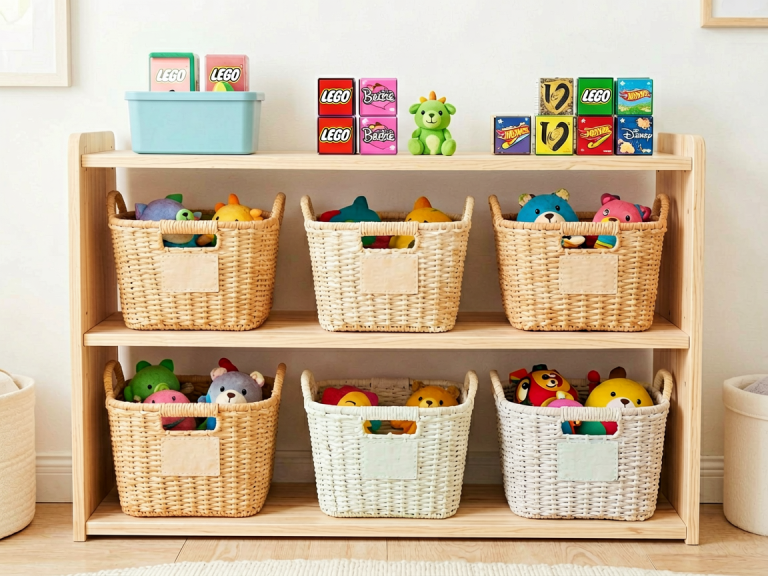
- Small tabletop blocks (e.g., classic wooden unit blocks, LEGO bricks): Typically 1–3 inches in size, lightweight, and designed for fine motor manipulation. These are usually played with while sitting or kneeling at a low table or on the floor.
- Medium-sized interlocking blocks (e.g., Duplo, Mega Bloks): Slightly larger, often used by toddlers and preschoolers, requiring two-handed coordination but still primarily involving seated play.
- Large hollow wooden or plastic blocks (e.g., unit blocks in preschool settings, cardboard bricks): Often 6–12 inches in length, and sometimes heavy. Children need to stand, bend, lift, and carry these blocks to build structures.
- Extra-large foam or cardboard blocks (e.g., giant building blocks, oversized pillow-like blocks): These can be as large as a child’s torso. They require full-body engagement—hugging, pushing, dragging, and even climbing onto or over them.
- Outdoor building sets (e.g., large plastic interlocking bricks, tree stump sections): Designed for outdoor use, often requiring walking, stooping, and collaborative lifting.
The smaller the block, the less demand it places on gross motor skills. Conversely, the larger and heavier the block, the more it forces the child to use their whole body. Therefore, the question “Are building blocks good for gross motor skills?” cannot be answered with a simple yes or no—it depends entirely on the type of block and the way it is used.
How Large Building Blocks Directly Promote Gross Motor Development
Lifting, Carrying, and Squatting: The Mechanics of Block Play
When children play with large building blocks, they naturally engage in movements that are fundamental to gross motor development. Consider a preschooler who wants to create a tall tower using hollow wooden blocks that weigh one or two kilograms each. To get a block from the shelf to the building site, the child must:
- Squat or bend down to pick up the block from the floor, which strengthens the quadriceps, hamstrings, and glutes.
- Lift the block using arm and core muscles, often with a two-handed grip that requires upper body strength.
- Walk or carry the block while maintaining balance—a task that challenges the vestibular system and postural control.
- Reach upward or outward to place the block on top of an existing structure, which involves shoulder stability, arm extension, and sometimes standing on tiptoes.
These actions are repeated dozens or even hundreds of times during a single play session. Over time, they build muscular endurance and coordination. In fact, occupational therapists often recommend large block play as a functional way to develop the same muscles needed for everyday tasks like carrying a backpack, lifting groceries, or climbing stairs.
Balancing and Body Awareness: The Hidden Gross Motor Demands
Beyond simple lifting and carrying, building with large blocks often requires children to maintain their own balance while simultaneously maneuvering an object. For example, a child trying to place a heavy block on top of a wobbly tower must stabilize their own body—tightening their core, adjusting their stance, and possibly shifting their weight from one foot to the other. This is a classic gross motor challenge that integrates the sensory systems (proprioception, the sense of body position; vestibular sense, the sense of balance). Moreover, when children build structures tall enough to reach above their heads, they often stand on tiptoes or even climb onto a stool or low platform, further engaging the lower body and balance mechanisms.
Large blocks also invite whole-body movement during the process of design and creation. A child might crawl around a growing structure to inspect it from different angles, squat down to retrieve a fallen piece, or stretch across a wide area to connect two parts. These dynamic, changing positions are far more beneficial for gross motor skills than static seated play.
Cooperative Block Play and Large-Motor Social Interactions
Another important dimension is social play. When children build together with large blocks, they often need to coordinate their movements physically. Two children might carry a very large foam block together, requiring them to walk in sync, communicate verbally or nonverbally, and adjust their grips. They might take turns lifting blocks to high places, or one child might hold a block steady while another stacks on top. These cooperative tasks involve whole-body movements—pushing, pulling, supporting weight, and maintaining balance while interacting with another moving person. Such social-physical play is a rich context for developing gross motor coordination, as well as spatial awareness and body control in relation to others.
Research Evidence and Expert Perspectives
What Studies Say About Blocks and Physical Development
While the bulk of research on building blocks has focused on cognitive and fine motor outcomes, a growing body of literature supports their role in gross motor development, particularly in early childhood settings. For example, a 2018 study published in the *Journal of Occupational Therapy, Schools, and Early Intervention* observed children aged 3–5 during free play with large hollow blocks. The researchers found that children spent a significant portion of their time engaged in gross motor actions—lifting, carrying, bending, and climbing—and that these actions were associated with higher levels of physical activity compared to other classroom activities.
Similarly, a 2015 study in *Early Childhood Education Journal* examined the use of giant foam blocks in a preschool curriculum. The authors noted that children who used these blocks daily showed improvements in balance, bilateral coordination, and standing long jump performance over a 12-week period, compared to a control group that used only small tabletop blocks. Although the sample was small, the findings suggest that the physical demands of large block play transfer to measurable gross motor gains.
Expert Opinions from Pediatric Physical Therapists
Pediatric physical therapists often advocate for “heavy work” activities that provide proprioceptive input—that is, activities that involve pushing, pulling, lifting, and carrying heavy objects. Large building blocks are a perfect example of functional heavy work. According to Dr. Emily Russo, a pediatric occupational therapist quoted in a 2022 article on *The Sensory Spectrum* blog, “When children lift and carry heavy blocks, they are not just building towers; they are building body awareness, core strength, and the ability to plan and sequence large movements. These are the same skills needed for climbing playground equipment, riding a bike, and participating in sports.”
Moreover, experts emphasize that block play can be tailored to target specific gross motor deficits. For instance, a child with low muscle tone might benefit from pushing a heavy cart full of blocks across a room, while a child with poor balance might be encouraged to stand on one foot while placing a block on a high shelf. The versatility of block play makes it a valuable tool for therapists and educators.
Practical Applications and Recommendations
Choosing the Right Blocks for Gross Motor Development
To maximize gross motor benefits, parents and educators should consider the following guidelines:
- Opt for large, heavy blocks: Look for hollow wooden blocks, cardboard bricks, or foam blocks that are at least 6–12 inches in size and have some weight (but not so heavy that they are dangerous). Avoid flimsy, ultra-light blocks that offer little resistance.
- Create a spacious play area: Children need room to move, stretch, and carry blocks. A confined space limits gross motor engagement.
- Incorporate height: Provide low stools, step stools, or platform cushions so children can reach higher levels safely. Adult supervision is essential.
- Encourage collaborative building: Invite siblings or peers to build together, as cooperative play naturally requires more whole-body movement.
- Mix block types: Combine large blocks with smaller ones. A child might carry a large base block, then sit down to add smaller details—a combination that integrates both gross and fine motor skills.
Integrating Block Play into Daily Routines
For parents who want to use building blocks intentionally to support gross motor skills, consider the following ideas:
- Block relay races: Have children carry blocks from one end of the room to another, balancing them on a tray or in their arms. This works on gait, balance, and core stability.
- Obstacle course with blocks: Create a simple course where children step over blocks, crawl under a block bridge, or jump over a row of blocks laid flat on the floor.
- “Build the tallest tower” challenge outdoors: Use oversized cardboard blocks in the yard, where children can run, squat, and stretch freely.
- Clean-up as a gross motor activity: Instead of asking children to put away blocks one by one, make it a game of “block basketball”—toss lightweight blocks into a bin across the room, or carry heavy blocks to a shelf using a wheeled cart.
Safety Considerations
It is essential to choose age-appropriate blocks. Very heavy blocks (e.g., solid wood or stone) can cause injury if dropped on a foot or if a tower falls on a child. Always supervise young children, and avoid blocks that are too heavy for a child to lift safely. Soft foam blocks are excellent for infants and toddlers who are still developing balance, while preschoolers can handle medium-weight hollow wooden blocks.
Conclusion: Yes, Blocks Can Be a Gross Motor Powerhouse—If Chosen Wisely
Returning to the central question: *Are building blocks good for gross motor skills?* The evidence suggests a qualified yes. While small, tabletop blocks primarily develop fine motor skills and cognitive abilities, large, heavy, and collaborative block play engages the whole body in meaningful ways. Lifting, carrying, squatting, reaching, balancing, and moving in concert with others all contribute to the development of core strength, coordination, balance, and large-muscle control. Building blocks, when viewed through the lens of gross motor development, are not a replacement for traditional physical activities like running or climbing, but they offer a unique and valuable supplement—one that is inherently motivational, creative, and adaptable.
The key insight for parents and educators is to move beyond the assumption that “building blocks” automatically equate to fine motor skills. By selecting the appropriate size, weight, and context, the humble building block can become a surprisingly effective tool for promoting the gross motor abilities that underpin a child’s overall physical health, confidence, and lifelong love of active play. So the next time you see a child heaving a giant foam brick onto a wobbly tower, remember: they are not just building a structure; they are building a stronger, more coordinated body.