The Hidden Cost of Convenience: Why Buying Cheap Plastic Toys for Babies Is a Risky Bargain
Introduction
Every new parent knows the feeling: the baby’s first smile, the first grasp, the first time they reach for a colorful object. In those early months, toys are not just playthings—they are tools for sensory exploration, motor development, and emotional bonding. Yet, as the cost of living rises and the market floods with inexpensive options, many parents find themselves drawn to the allure of cheap plastic toys. A brightly colored rattle for two dollars, a set of stacking cups for three, a teething ring that promises relief for a fraction of the price of a “safe” alternative. It is easy to see why these purchases seem like smart, frugal choices. But behind the cheerful packaging and low price tags lies a complex web of health hazards, environmental damage, and ethical concerns that can affect the very babies we are trying to protect. This article explores the multifaceted risks of buying cheap plastic toys for infants and argues that the initial savings are often outweighed by far greater hidden costs.
The Allure of Low Cost: Why Parents Choose Cheap Plastic Toys
The decision to buy inexpensive plastic toys is rarely made out of carelessness. For many families, it is a matter of economic necessity. Babies grow quickly, lose interest in toys just as fast, and tend to put everything in their mouths. The idea of spending twenty or thirty dollars on a single toy that may be chewed, dropped, and discarded within weeks seems impractical. Cheap toys, sold in bulk at discount stores, online marketplaces, or dollar stores, offer a seemingly sensible solution: parents can stock a toy box for the price of a single premium product. Moreover, the visual appeal of these toys is undeniable. Bright primary colors, flashing lights, and squeaky sounds grab a baby’s attention instantly. Marketing often emphasizes “fun” and “stimulation” while glossing over material composition. Social pressures also play a role—seeing other parents post photos of colorful toy collections can create a subtle sense of competition or adequacy. In a world where parenting is already fraught with anxiety, the low price of a plastic toy can feel like one small victory.
Hidden Dangers of Cheap Plastics: Chemical Exposure and Physical Risks
The most alarming consequence of buying cheap plastic toys for babies is the potential for exposure to toxic chemicals. Many inexpensive plastics, especially those manufactured without rigorous quality controls, contain substances that are known endocrine disruptors, carcinogens, or neurotoxins. Phthalates, often used to soften plastics, are commonly found in low-cost teethers, bath toys, and dolls. Research has linked phthalates to developmental abnormalities in reproductive systems and hormone regulation. Bisphenol A (BPA), used in some clear plastics, can mimic estrogen and interfere with brain development. Even if a toy is labeled “BPA-free,” it may contain substitutes like BPS or BPF, which have similar risks. Cheap plastic toys also frequently contain lead, cadmium, and other heavy metals in their paints or dyes. Babies, with their developing brains and bodies, are especially vulnerable because they often mouth toys, ingesting or absorbing these toxins through saliva. Beyond chemical hazards, physical safety is a concern. Cheap toys are more prone to breaking into small parts, creating choking hazards. Sharp edges from poorly finished plastic can cut delicate gums or skin. Buttons, batteries, or small components may be loosely attached, and the plastic itself may be brittle enough to splinter. A low price tag does not simply mean “less durable”; it can mean “dangerously unpredictable.”
Regulatory Gaps: When “Compliant” Does Not Equal “Safe”
One might assume that toys sold in developed countries meet strict safety standards. However, the global toy market is vast, and enforcement is inconsistent. In the United States, the Consumer Product Safety Improvement Act (CPSIA) imposes limits on lead and phthalates, but testing requirements are often self-certified by manufacturers. Cheap toys imported from countries with less stringent regulations may bypass effective oversight. Online marketplaces like Amazon, eBay, and Wish host countless third-party sellers who list toys that have never been tested by any recognized body. Even when a product claims to meet ASTM (American Society for Testing and Materials) standards, that claim can be false. The problem is compounded by the sheer volume of products entering the market. Regulatory agencies simply cannot inspect every shipment. Parents, therefore, must rely on trust—trust that the manufacturer followed regulations, trust that the online listing is accurate, trust that the label means something. For a cheap plastic toy sold for a few dollars, the incentive for a manufacturer to cut corners is immense, and the consequences of a bad batch are often absorbed by the consumer. This regulatory gap means that “cheap” often correlates with “less tested” and “riskier.”
Environmental Impact: The Long Shadow of a Short-Lived Toy
Buying cheap plastic toys for babies is not only a potential hazard for the child but also a burden on the planet. Most inexpensive plastics are made from virgin fossil fuels and are not designed to be recycled. A toy that costs two dollars may break within days or weeks, and then what? It joins the growing mountain of plastic waste that clogs landfills, floats in oceans, and breaks down into microplastics that enter the food chain. Babies are uniquely connected to this cycle: the same microplastics that pollute the environment can be inhaled or ingested by children. Furthermore, the manufacturing process for cheap plastic toys often involves energy-intensive production and the release of volatile organic compounds. When parents discard broken toys, they contribute to a linear economy of take-make-waste. Even if a parent donates a cheap toy, its low quality means it is unlikely to be resold or reused; charities often discard broken or low-quality items. The environmental cost of each cheap toy may be small, but multiplied by billions of toys produced annually, it is staggering. Choosing a more durable, higher-quality toy—even if it costs more—reduces overall resource consumption over time.
Psychological and Developmental Considerations: Quantity vs. Quality
Beyond physical safety and environmental ethics, there is a developmental dimension to consider. Early childhood experts increasingly emphasize that “less is more” when it comes to toys. A baby who is surrounded by dozens of cheap, visually overwhelming plastic toys may become overstimulated and less capable of focused play. In contrast, a few well-chosen, high-quality toys that offer varied textures, open-ended possibilities, and sensory richness can foster deeper engagement. Cheap plastic toys often lack the subtlety needed for cognitive growth: they may make loud, repetitive sounds that drown out a baby’s own vocalizations, or they may be so visually busy that a baby cannot focus on one feature. Additionally, the fleeting nature of cheap toys—they break easily, batteries die quickly, colors fade—teaches an early lesson in disposability that contrasts with values of care and sustainability. Some research even suggests that exposure to certain synthetic scents or materials in cheap toys can trigger sensory sensitivities. A baby’s developing brain is wired to explore through touch, taste, and sight. A cheap plastic teether that tastes like chemical residue does not offer the same sensory pleasure as a natural rubber or wooden alternative. The psychological cost of constant exposure to low-quality stimuli may be subtle, but it compounds over time.
Balancing Affordability and Safety: Practical Strategies for Parents
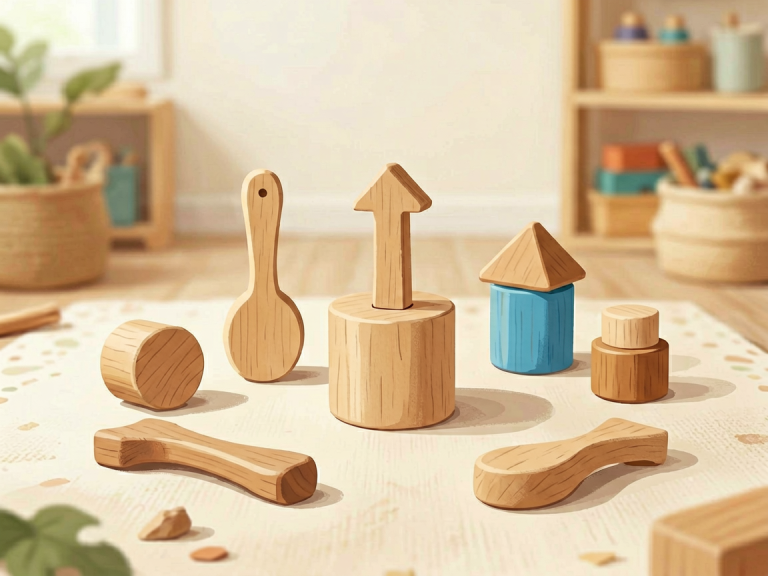
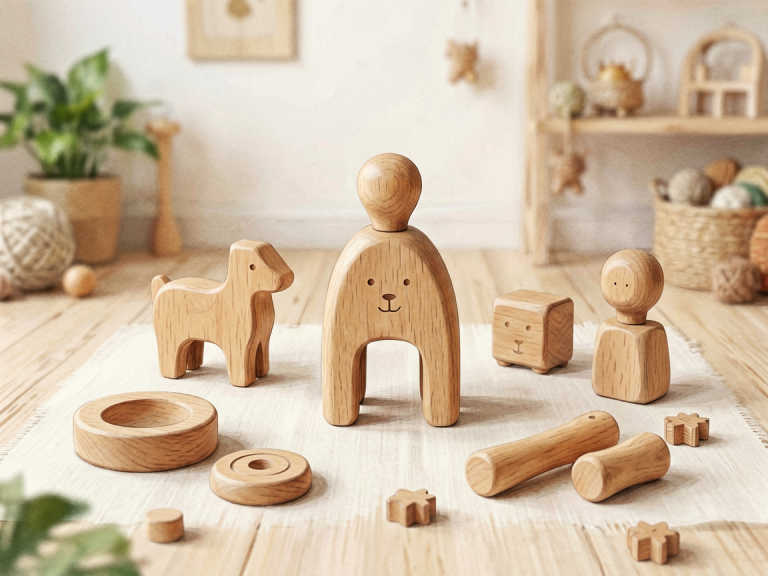
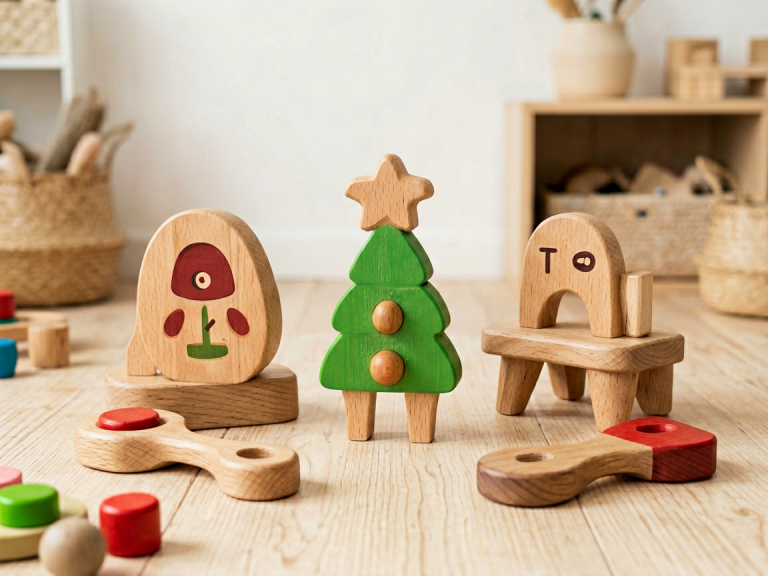
Given these concerns, what should a budget-conscious parent do? The answer is not to shame families for buying cheap toys, but to provide practical, evidence-based strategies for making safer choices. First, prioritize materials. When buying plastic, look for toys labeled with recycling codes 2 (HDPE), 4 (LDPE), or 5 (PP), which are generally safer and less likely to leach chemicals. Avoid codes 3 (PVC), 6 (polystyrene), and 7 (often contain BPA). Even better, choose toys made from natural materials such as untreated wood, organic cotton, or 100% natural rubber—they are often comparably priced to mid-range plastic toys. Second, buy fewer toys but of higher quality. A single well-made wooden stacking toy can provide months of developmental value, whereas a set of ten cheap plastic rings may end up in the trash. Third, consider second-hand options. Thrift stores, garage sales, and online marketplaces offer gently used toys at low prices, and many of these are older, better-made plastic toys that were produced before the era of extreme cost-cutting. Fourth, research brands. Companies that voluntarily adhere to stricter European Union safety standards (CE marking) or that publish their manufacturing processes are often worth the extra dollar. Finally, use common sense: if a toy smells strongly of chemicals, leaves residue on your hands, or has sharp seams, avoid it regardless of price.
Conclusion: The Real Price of a Bargain
The instinct to save money on baby toys is understandable and often necessary. But buying cheap plastic toys for babies is not a simple transaction. It is a decision that carries hidden costs—potential chemical exposure, choking hazards, environmental degradation, and missed developmental opportunities. These costs are not evenly distributed; families with limited resources are most likely to buy cheap toys and least likely to have access to consumer education or legal recourse if something goes wrong. Yet, the good news is that safer alternatives exist, and many require only a small shift in mindset. By choosing quality over quantity, materials over marketing, and durability over disposability, parents can protect their babies while still respecting their budgets. A cheap plastic toy may save two dollars today, but the true price—measured in health, environmental footprints, and childhood potential—is far higher than any price tag suggests. The next time you reach for that brightly colored, dollar-store rattle, take a moment to ask: is this really a bargain?