The Hidden Cost of Cheap Plastic Toys for Six-Month-Olds: A Guide for Conscious Parents
Introduction: The Allure of the Bargain Bin
Walk into any discount store, and you will find them: bright, colorful plastic rattles, squeaky rings, and teething keys, all priced at a mere dollar or two. For parents of a six-month-old, these toys seem like a godsend. Babies at this age are curious, mouthing everything in sight, and their attention span is measured in seconds. Why spend twenty dollars on a single wooden rattle when you can buy a bag of ten plastic ones for the same price? The logic is seductive, especially for families on a tight budget.
But behind the cheerful packaging and the promise of developmental stimulation lies a more complex reality. The decision to buy cheap plastic toys for a six-month-old is not as innocent as it appears. It touches on issues of health, safety, environmental ethics, and even the quality of early childhood development. This article will explore the multifaceted implications of that purchase, offering parents a framework for making informed choices without breaking the bank.
The Developmental Landscape of a Six-Month-Old
Before evaluating toys, it is essential to understand what a six-month-old actually needs. At this age, infants are in a rapid phase of sensory and motor development. They are learning to grasp, transfer objects from one hand to another, and bring everything to their mouths—a primary mode of exploration. They are also beginning to understand cause and effect: shake a rattle, and it makes noise. Their vision is improving, and they are drawn to high-contrast colors and patterns. Socially, they respond to faces and voices, and they enjoy simple interactive games like peek-a-boo.
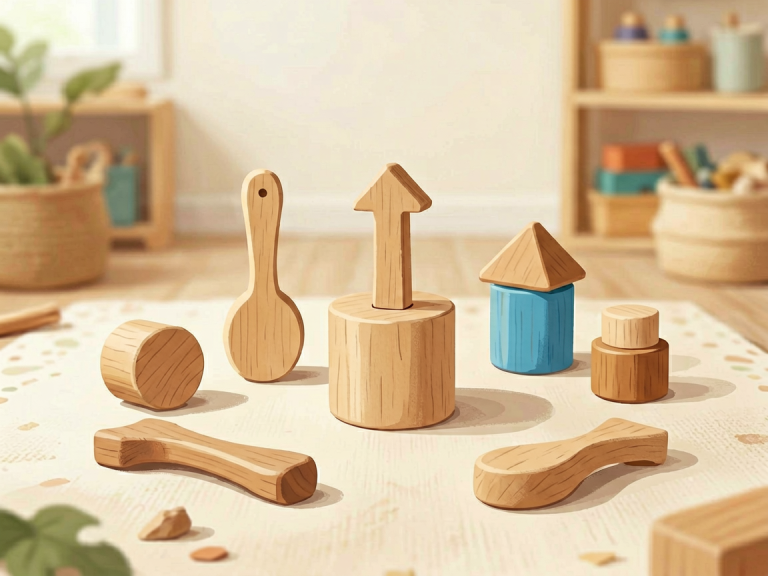
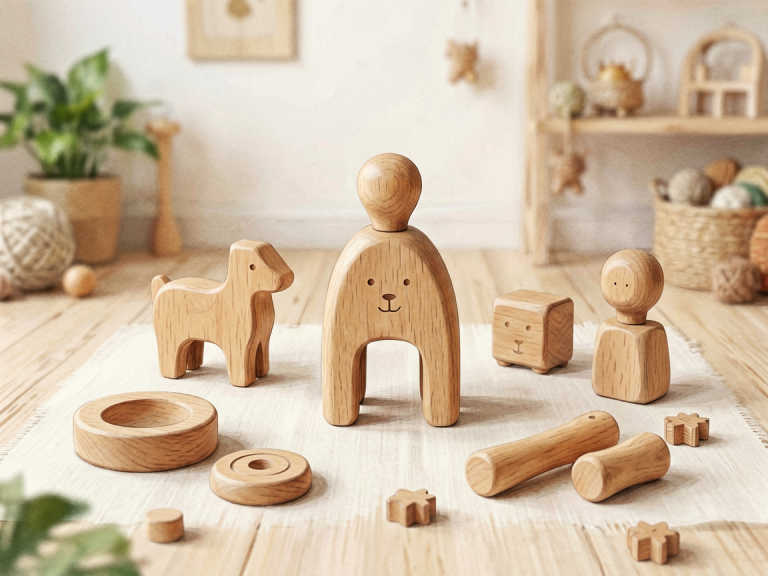
From a developmental standpoint, the best toys for a six-month-old are those that engage multiple senses, are safe to mouth, and encourage fine motor skills. They do not need electronics, flashing lights, or complex mechanisms. In fact, the simpler the toy, the more it invites the baby to use their own imagination and problem-solving skills. A plain wooden ring, a soft fabric ball, or a set of nesting cups can provide hours of meaningful play. Unfortunately, cheap plastic toys often fail to meet these criteria in meaningful ways.
The Hidden Dangers of Cheap Plastics
Chemical Concerns: BPA, Phthalates, and Beyond
The most immediate risk of buying cheap plastic toys for a six-month-old is chemical exposure. Infants at this age spend a significant amount of time with toys in their mouths. Saliva can leach out harmful substances from low-quality plastics. While many countries have regulations restricting the use of bisphenol A (BPA) and certain phthalates in children's products, enforcement varies widely. Cheap toys imported from regions with lax standards may contain these endocrine disruptors even if the packaging claims otherwise.
Phthalates, used to soften plastics, have been linked to reproductive and developmental issues in animal studies. BPA is known to mimic estrogen and can interfere with hormone function. Even "BPA-free" labels are not a guarantee of safety, as substitutes like BPS may pose similar risks. Furthermore, cheap plastics often contain heavy metals such as lead, cadmium, or mercury, which can accumulate in a baby's developing body. Lead exposure, even at low levels, is associated with cognitive deficits and behavioral problems.
A 2018 study by the Ecology Center in Michigan tested hundreds of children's toys and found that many inexpensive plastic items contained dangerous levels of toxic chemicals. The problem is not just theoretical; it is a real and ongoing public health concern.
Physical Hazards: Choking, Breakage, and Sharp Edges
Beyond chemistry, cheap plastic toys present physical risks. Six-month-olds have powerful gums and are beginning to teeth. They can bite off small pieces of low-quality plastic, creating choking hazards. Cheap toys are often poorly constructed, with seams that can separate or components that detach. A rattle that breaks open might release small beads or pellets, which a baby can choke on or inhale.
Moreover, the molding process for cheap toys may leave sharp edges or burrs that can cut a baby's delicate gums or skin. Even if the toy is intended to be smooth, imperfections in manufacturing are more common in low-cost items. The plastic itself can be brittle, cracking or splintering upon impact. A baby dropping a toy from a high chair onto a hard floor—an everyday occurrence—can result in dangerous shards.
The Problem of Hidden Contaminants
Another often-overlooked issue is the hygiene of cheap plastic toys. Six-month-olds drool copiously, and toys get covered in saliva, food, and whatever else they encounter. Cheap plastics are frequently porous or have crevices that trap bacteria and mold. They are not designed for repeated cleaning. Many cheap toys cannot withstand dishwashers or boiling water, and they may warp or degrade when exposed to hot water or mild cleaning agents. This creates a breeding ground for germs. In contrast, high-quality silicone, wood, or food-grade plastics are non-porous and can be sanitized effectively.
The Environmental Toll of Disposable Plastic
A Single Use That Lasts Centuries
When we buy a cheap plastic toy for a six-month-old, we are participating in a culture of disposability. These toys are often designed to be used for only a few months, if that. The baby outgrows them, or they break, or they are simply discarded. But that cheap plastic will persist in landfills for hundreds of years, slowly breaking down into microplastics that contaminate soil and water.
The carbon footprint of plastic production is substantial. Most cheap toys are made from virgin petroleum-based plastics, which require extraction, refining, and transportation. The energy used to create a single plastic rattle is far greater than the value it provides. Meanwhile, the toy itself is unlikely to be recycled because it is too small, made of mixed materials, or contaminated with food and saliva. The vast majority end up in the trash.
The Ethical Dimension: Exploitation in the Supply Chain
There is also a human cost. Cheap plastic toys are often manufactured in factories with low wages, poor working conditions, and minimal environmental oversight. The low price we pay in the store is made possible by the exploitation of workers overseas, many of them women and migrants. While it is not always possible to know the origin of every toy, choosing cheap, mass-produced items often means supporting a system that prioritizes profit over people.
What Six-Month-Olds Actually Need
Simplicity Over Stimulation
A common misconception among new parents is that babies need lots of toys to develop properly. In reality, less is more. A six-month-old does not need a plastic piano that plays twenty different songs or a flashing light cube. What they need is interaction with caregivers, opportunities for tummy time, safe objects to explore with their mouths and hands, and a calm environment. Overstimulation can actually hinder development, making babies fussy and overwhelmed.
The best toys for this age are those that allow the baby to lead the play. A simple wooden block can be grasped, banged, mouthed, and dropped. A silicone teether can be chewed and manipulated. A soft fabric book with high-contrast patterns can be looked at and felt. These items do not need to be expensive. In fact, many household items—a clean wooden spoon, a silicone spatula, an empty cardboard box—can be more engaging than store-bought plastic toys.
Safety and Sensory Experience
When evaluating any toy for a six-month-old, the key criteria are safety, sensory richness, and durability. Safety means no small parts, no sharp edges, non-toxic materials, and the ability to withstand vigorous mouthing and cleaning. Sensory richness means different textures (smooth, bumpy, soft, hard), different weights, and natural materials that feel different to the touch. Durability means the toy can be dropped, thrown, and chewed without breaking.
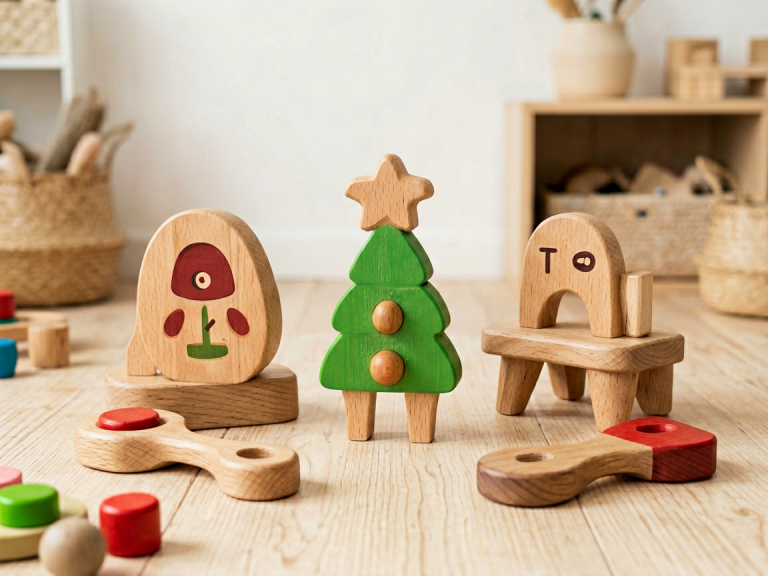
High-quality toys made from natural materials like wood, organic cotton, or food-grade silicone often meet these criteria better than cheap plastic. They may cost more upfront, but they last longer, can be passed down to siblings or friends, and are safer for both the baby and the planet.
How to Buy Affordable, Safer Toys
Secondhand and Handmade Options
For budget-conscious parents, there is good news: you do not have to choose between safety and affordability. Secondhand toys, provided they are in good condition and made from safe materials (avoiding old toys that might contain lead paint or BPA), are an excellent option. Thrift stores, online marketplaces, and parent groups often have high-quality wooden or silicone toys at a fraction of the original price. Just be sure to clean them thoroughly before giving them to your baby.
Handmade toys are another wonderful alternative. Many parents and artisans create simple, safe toys from natural materials. A crocheted rattle filled with dried beans, a felted wool ball, or a hand-sewn fabric block can be made at home with minimal cost and effort. These toys are unique, tactile, and free from chemical concerns.
Choosing Wisely When You Do Buy New
If you do buy new, look for toys made from natural materials or certified safe plastics. Labels to look for include "food-grade silicone," "FSC-certified wood," "organic cotton," and "phthalate-free" (though this is not a guarantee). Avoid toys with strong chemical smells, overly bright or gaudy colors with visible paint flaking, and any toy that seems poorly assembled. Ideally, choose toys from companies that prioritize safety testing, such as those that meet ASTM or EN71 standards.
Remember that a toy does not have to be expensive to be safe. A simple 100% silicone teething ring can cost a few dollars and is far safer than a cheap plastic rattle. Likewise, a set of wooden stacking cups from a reputable brand might cost more than a plastic set, but they will last for years and can be used into toddlerhood for stacking, sorting, and imaginative play.
The Role of Parental Guilt and Marketing
Resisting the Pressure to Buy More
It is worth acknowledging the emotional pressures that drive parents toward cheap plastic toys. The baby industry is masterful at generating anxiety: "Will my baby develop on time? Am I providing enough stimulation? What if I miss a critical window?" In response, parents buy more and more toys, hoping to cover all bases. Cheap toys offer an easy, guilt-free way to satisfy that anxiety. But the result is often clutter, waste, and a baby who is more interested in the cardboard box the toy came in than the toy itself.
Parents should give themselves permission to ignore marketing messages. A six-month-old does not need a toy for every developmental milestone. They need love, attention, and a safe environment in which to explore. A few high-quality, age-appropriate toys are far more beneficial than a mountain of cheap plastic.
Conclusion: A Better Path Forward
The decision to buy cheap plastic toys for a six-month-old is understandable but ultimately costly—not just in dollars, but in health risks, environmental impact, and missed opportunities for meaningful play. By choosing safer, simpler, and more sustainable alternatives, parents can protect their babies from unnecessary chemical exposure, reduce waste, and foster a richer developmental experience.
This does not mean parents must spend a fortune. A few well-chosen items—a wooden rattle, a silicone teether, a soft ball—can be acquired affordably through secondhand sources or made at home. The key is to be intentional: to ask, before every purchase, "Does my baby really need this? Is it safe? Is it durable? Will it bring joy without harm?" The answer, more often than not, will lead you away from the cheap plastic aisle and toward something better.
In the end, what a six-month-old needs most is not a toy at all. It is a parent who is present, attentive, and willing to see the world through a baby's eyes—a world where a wooden spoon can be a treasure, and a soft cloth can be a source of endless wonder. Everything else is just plastic.