Building Blocks for the Bright Mind: A Guide to Choosing the Perfect Sets for 11-Year-Olds
Introduction
At the age of eleven, children stand at a fascinating crossroads. They are no longer little kids who need oversized, simple blocks for basic motor skills, but they are not yet teenagers who might prefer digital screens over physical toys. This is an age of burgeoning logical reasoning, refined fine motor control, and a deep hunger for creative expression and challenge. Building blocks – in the broadest sense – remain one of the most powerful tools for developing spatial intelligence, problem-solving abilities, and patience. However, not all building sets are created equal, and choosing the right one for an 11-year-old requires careful thought. This article will guide parents, educators, and gift-givers through the essential factors, types, and benefits of building blocks for this unique age group. By the end, you will have a clear framework to make an informed and inspiring choice.
Understanding the 11-Year-Old Mind: Cognitive and Creative Needs
Before diving into product categories, it is crucial to understand what makes an 11-year-old different from a younger child. At this stage, children typically enter Piaget’s formal operational stage, where they start to think abstractly, hypothesize, and solve multi-step problems. They can follow complex instructions, understand mechanical principles, and appreciate aesthetics. Their attention span has lengthened, allowing for projects that take hours or even days.
Creativity is no longer about random stacking; it is about design, symmetry, functionality, and even storytelling. An 11-year-old might want to build a working crane, a replica of a famous landmark, or a futuristic spaceship with moving parts. They also crave a sense of accomplishment and ownership. A building set that is too simple will bore them, while one that is impossibly complex may frustrate them. The sweet spot lies in sets that offer a moderate challenge, clear goals, and room for personal modifications.
Socially, 11-year-olds often enjoy collaborative play. Sets that allow two or more children to build together – or that can be combined with other sets – can foster teamwork and communication. Additionally, many children at this age are influenced by peers and media. Popular franchises (e.g., Star Wars, Harry Potter, Minecraft) can serve as powerful motivators, but the core educational value of the building experience should never be sacrificed for mere branding.
Key Factors to Consider: Age Appropriateness, Complexity, and Safety
When selecting building blocks for an 11-year-old, three pillars must be evaluated: age labeling, piece count and part variety, and safety standards.
*Age Appropriateness*
Most reputable manufacturers clearly mark recommended ages on their packaging. For 11-year-olds, look for sets labeled “8+”, “9+”, “10+”, or “12+”. A “8+” set might be borderline – it could be too easy unless the child is a novice. “12+” sets often include tiny pieces, advanced mechanics, or intricate instructions that are perfect for a capable 11-year-old who enjoys a challenge. Avoid “18+” sets, which are often collector models with fragile parts and no room for creative deviation.
*Complexity and Piece Count*
Piece count is a rough indicator. For an average 11-year-old, sets with 300 to 1,200 pieces are usually appropriate. Below 300 pieces, the build may be completed in under an hour, leaving little satisfaction. Above 1,200 pieces can be overwhelming unless the child is highly experienced or passionate about the theme. However, piece count is not everything; the variety of part types matters more. Sets with gears, axles, pulleys, hinges, and specialized connectors (like those in LEGO Technic or Meccano) offer deeper learning.
*Safety*
At age 11, choking hazards from small parts are less of a concern, but sharp edges, toxic materials, and fragile parts that break into shards remain risks. Always choose products from well-known brands that comply with international safety standards (e.g., CE, ASTM). Avoid cheap knock-offs that may use poor-quality plastics with lead or phthalates. Also, consider the storage: a set with many small pieces should come with a sturdy container or a compartmentalized tray to prevent loss and frustration.
Types of Building Blocks: From Classic Bricks to Advanced Kits
The world of building blocks has expanded far beyond the traditional interlocking brick. Here is a breakdown of the most suitable categories for 11-year-olds.
*Classic Interlocking Brick Sets (e.g., LEGO Classic, Mega Construx)*
The timeless choice. For an 11-year-old, go beyond basic boxes of random bricks and opt for themed sets that incorporate specialized pieces. LEGO’s Creator 3-in-1 series is ideal because each set can be rebuilt into three different models, encouraging flexible thinking. The LEGO Classic “Creative Suitcase” with 1,000 pieces is also excellent for free-form building.
*Technic and Mechanical Building Systems*
LEGO Technic, Meccano, and K’NEX are the gold standard for children who love how things work. These sets include gears, motors, pistons, and beams that allow builders to create functional machines: cars with steering wheels, cranes that lift, or even programmable robots (when combined with a control hub). For an 11-year-old, a Technic set in the 500–1,000 piece range, such as the LEGO Technic “Air Race Jet” or “Drag Racer,” teaches real physics and engineering concepts. Meccano’s metal pieces require a screwdriver and wrench, adding an extra layer of precision and patience.
*Magnetic Building Tiles (e.g., Magna-Tiles, PicassoTiles)*
Though often marketed for younger children, high-quality magnetic tiles with geometric shapes (triangles, squares, hexagons) can be surprisingly engaging for 11-year-olds, especially when combined with marble runs or LED lights. They allow for quick, three-dimensional construction and are excellent for exploring architecture, symmetry, and magnetic polarity. Advanced sets include ball runs that teach gravity and momentum.
*Wooden and Eco-Friendly Blocks*
Natural wooden blocks, such as those from Grimm’s or Tegu, offer a more tactile and aesthetic experience. Their simplicity encourages open-ended creativity without instructions. An 11-year-old can build elaborate castles, bridges, or abstract sculptures. However, because they lack the mechanical complexity of plastic systems, they may appeal more to artistic or nature-oriented children.
*Electronic and Programmable Kits*
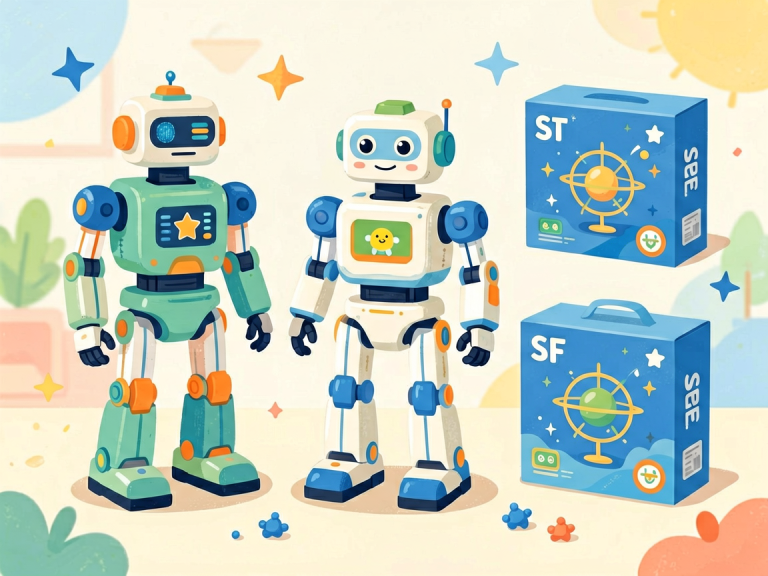
For tech-savvy 11-year-olds, building blocks that merge physical construction with coding are superb. Examples include LEGO Boost, LEGO Spike Prime, and LittleBits. These kits combine bricks, motors, sensors, and a simple programming app. The child builds a model (e.g., a robot, a guitar) and then codes its behavior. This introduces computational thinking and computational creativity simultaneously.
*3D Puzzles and Model Kits*
While not strictly “blocks,” 3D puzzles made from foam, cardboard, or metal (e.g., UGEARS, CubicFun) are another form of construction. UGEARS offers laser-cut wooden models with gears and elastic bands that move. They require patience and precision, and the finished product is a beautiful display piece. They are excellent for 11-year-olds who enjoy meticulous work.
Educational and Developmental Benefits
Choosing the right building blocks is not just about entertainment; it is an investment in a child’s cognitive and emotional growth. Here are the key benefits for an 11-year-old:
*Spatial Reasoning and Geometry*
Assembling three-dimensional structures from two-dimensional instructions trains the brain to visualize rotation, perspective, and scale. This skill is foundational for mathematics, engineering, and art.
*Problem-Solving and Resilience*
Building sets rarely go perfectly. Pieces may be missing (though rarely), instructions misunderstood, or structures collapse. The process of debugging, retracing steps, and trying alternative approaches builds grit and a growth mindset.
*Fine Motor Skills and Hand-Eye Coordination*
Snapping bricks together, turning tiny screws, or aligning gears refines dexterity. This is especially valuable in an era where children spend increasing time on touchscreens.
*Creativity and Self-Expression*
After following instructions, many children enjoy modifying models. They might add wings to a car, change colors, or combine two sets into one invention. This freedom encourages divergent thinking.
*Patience and Focus*
A complex set might take several hours over multiple days. Completing it gives a deep sense of satisfaction that a five-minute video game cannot replicate.
*STEM Foundation*
Mechanical and electronic sets directly introduce concepts like torque, gear ratios, circuits, and programming. This sparks interest in science and technology careers.
Tips for Engaging an 11-Year-Old’s Interest
Even the best building blocks can sit untouched if they fail to capture a child’s imagination. Here are practical strategies to ensure the gift is a hit:
*Involve Them in the Choice*
If possible, take the child to a store or browse online together. Ask what themes excite them – vehicles, animals, fantasy, space, architecture? Let them pick a set within a budget. Ownership over the choice increases motivation.
*Set a Collaborative Challenge*
If you are buying a set for a single child, consider also buying a small complementary set for a sibling or friend. Building together can turn a solitary activity into a social bonding event.
*Create a Display Space*
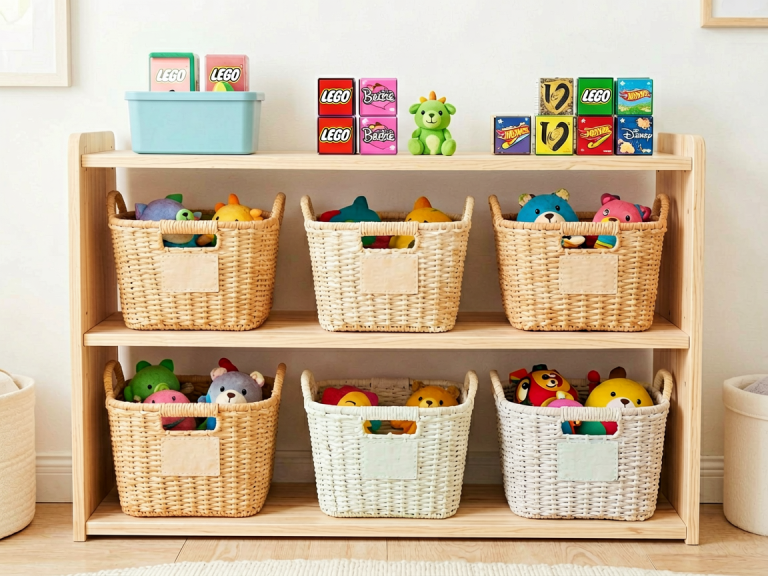
Kids are proud of their creations. Designate a shelf or table where completed models can be shown off. Rotate displays to keep the area fresh.
*Connect to Other Interests*
If the child loves history, buy a model of the Colosseum or Taj Mahal. If they adore animals, choose a biomechanical set like a brick-built eagle with flapping wings.
*Provide Extra Materials*
Stock up on “loose” bricks – generic, off-brand bags of basic pieces. These allow the child to expand and customize their sets without being limited by the box’s contents.
*Respect the Instructions – But Also Encourage Breaking Them*
Some children feel pressure to follow instructions exactly. Reassure them that it is okay to make mistakes, and that many builders enjoy disassembling and starting from scratch.
*Be Patient with Frustration*
When a child gets stuck, avoid jumping in to solve the problem immediately. Instead, ask guiding questions: “What part of the instruction is confusing? Can you compare the picture with your build?” This teaches independent problem-solving.
Conclusion
Choosing building blocks for an 11-year-old is a wonderful opportunity to nourish a developing mind with hands-on, screen-free challenge. By considering the child’s cognitive stage, prioritizing sets with appropriate complexity and safety, and selecting from a diverse range of types – from mechanical Technic to magnetic tiles to programmable kits – you can provide a gift that educates as much as it entertains. Remember that the best building set is not necessarily the most expensive or the largest; it is the one that aligns with the child’s current passions and offers room for growth. Whether they become a future engineer, architect, artist, or inventor, the hours spent clicking, adjusting, and imagining with blocks will leave a lasting blueprint for success. So, take the time to understand the child, explore the options, and watch their creativity take shape – brick by brick.