Beyond the Pieces: Quiet Alternatives to Jigsaw Puzzles
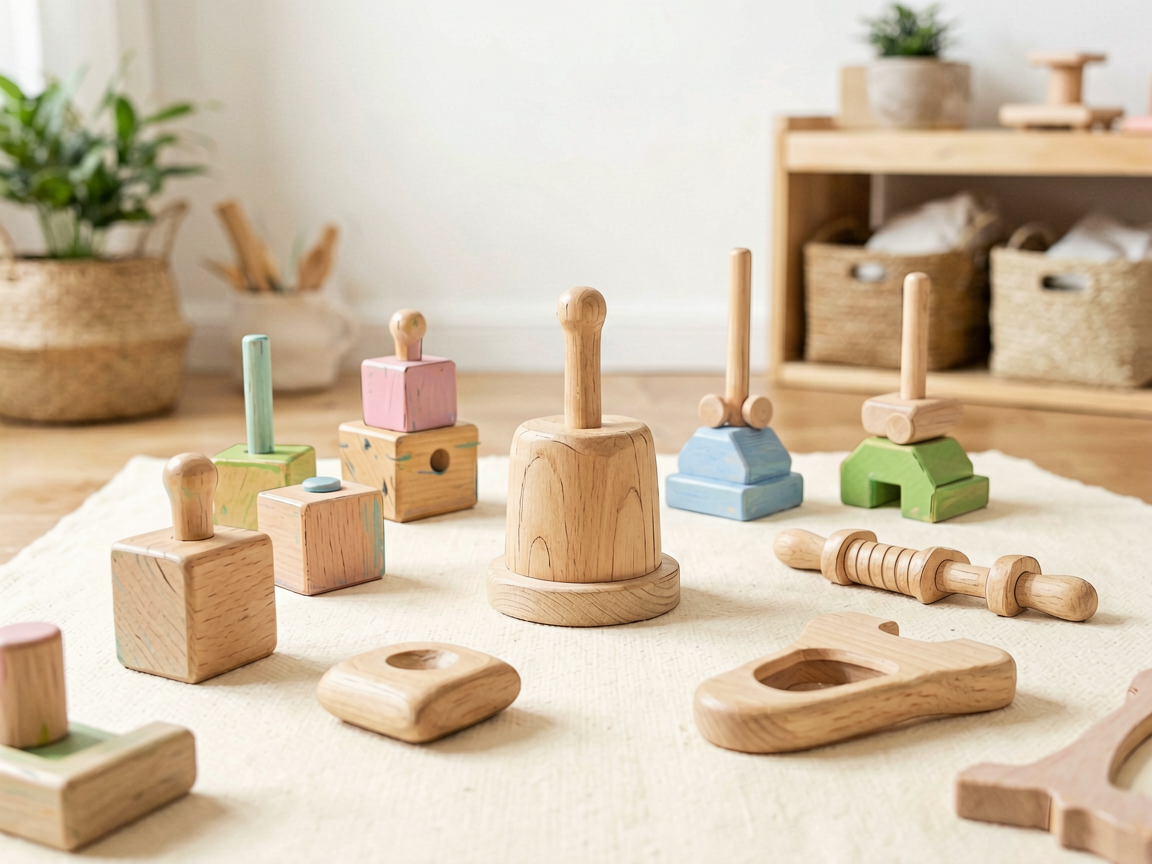
Jigsaw puzzles spread across every surface. Quiet, low-mess alternatives that keep the mental benefits contained.
Toy comparisons, safety checks, and buying guides that help parents decide before they buy.
Jigsaw puzzles spread across every surface. Quiet, low-mess alternatives that keep the mental benefits contained.
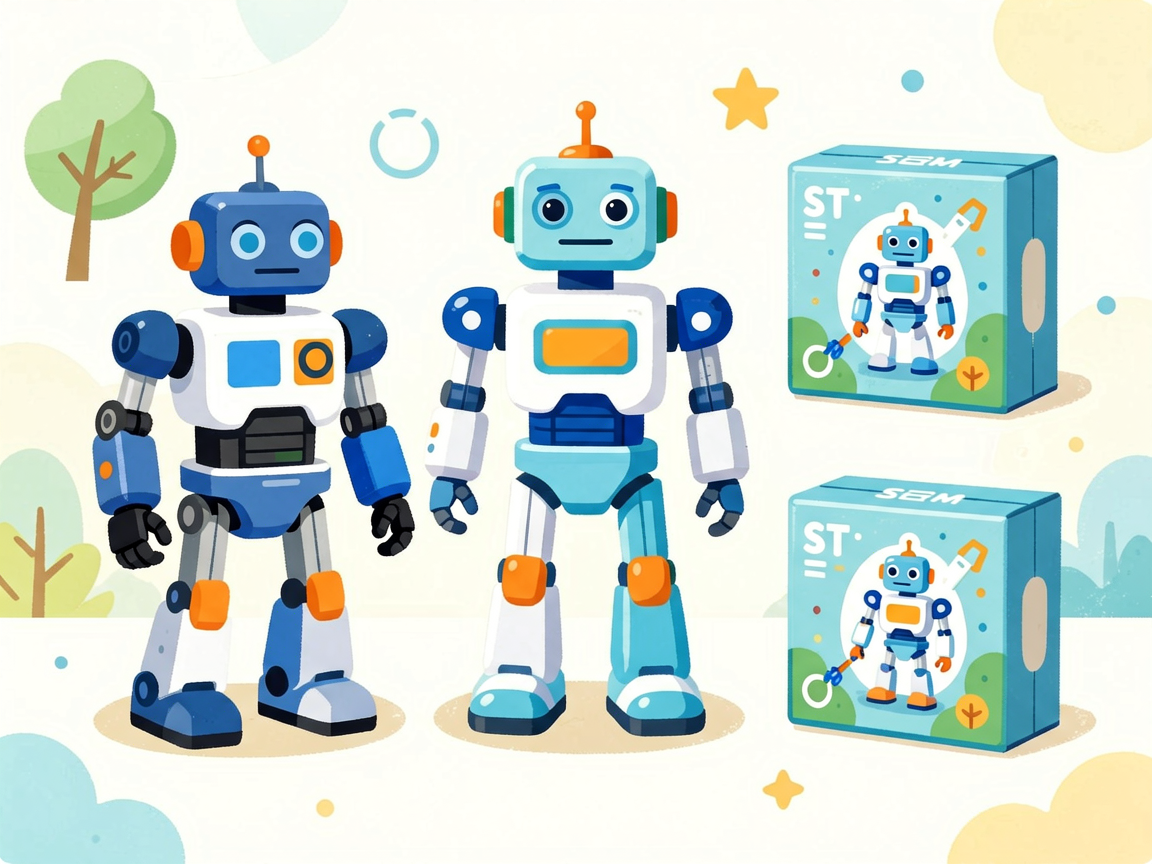
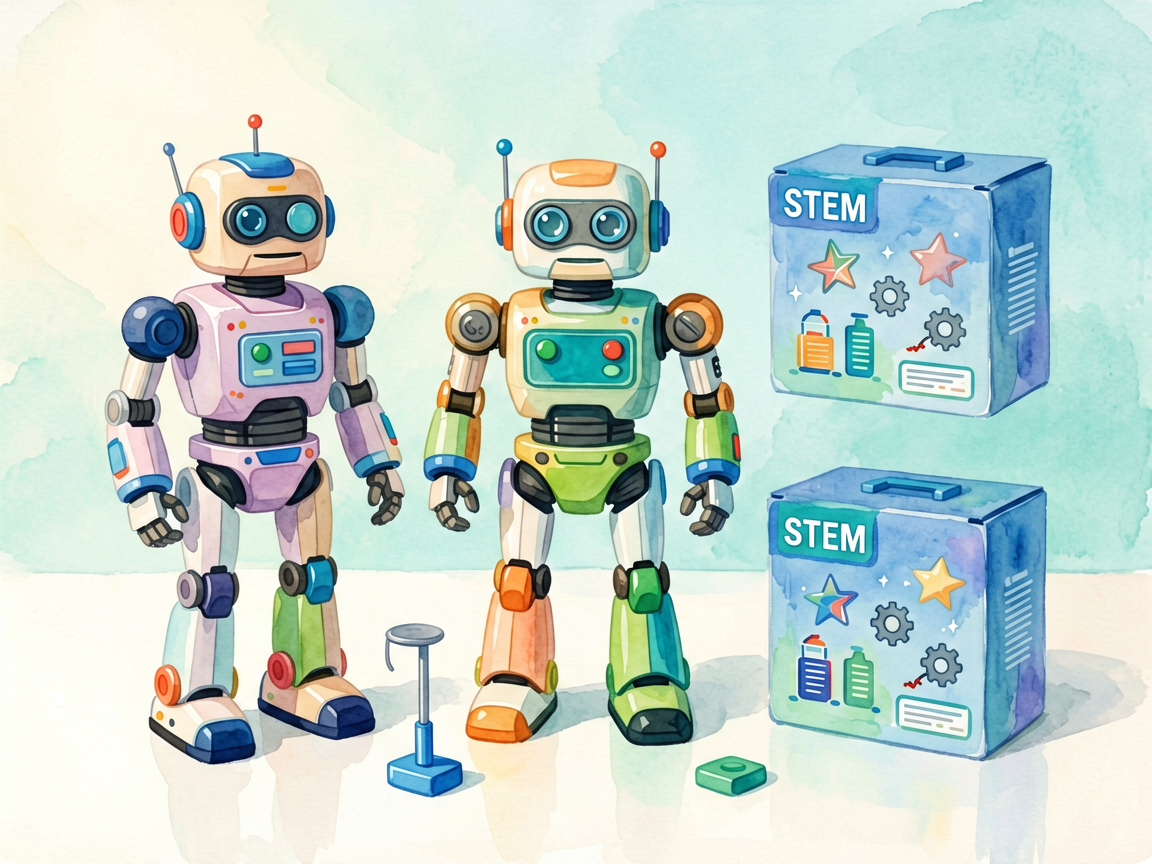
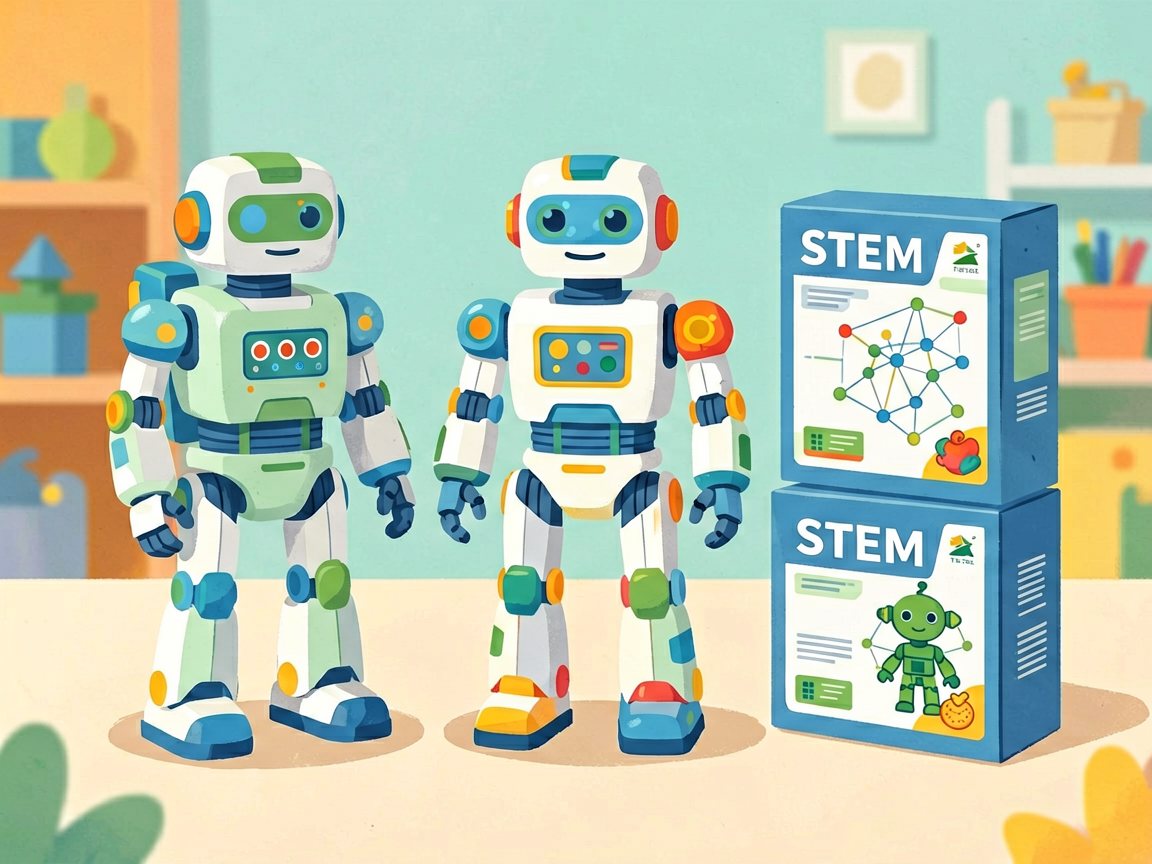
Expensive coding toys promise premium learning. A balanced look for parents and educators at what the extra money buys, and when it does not.
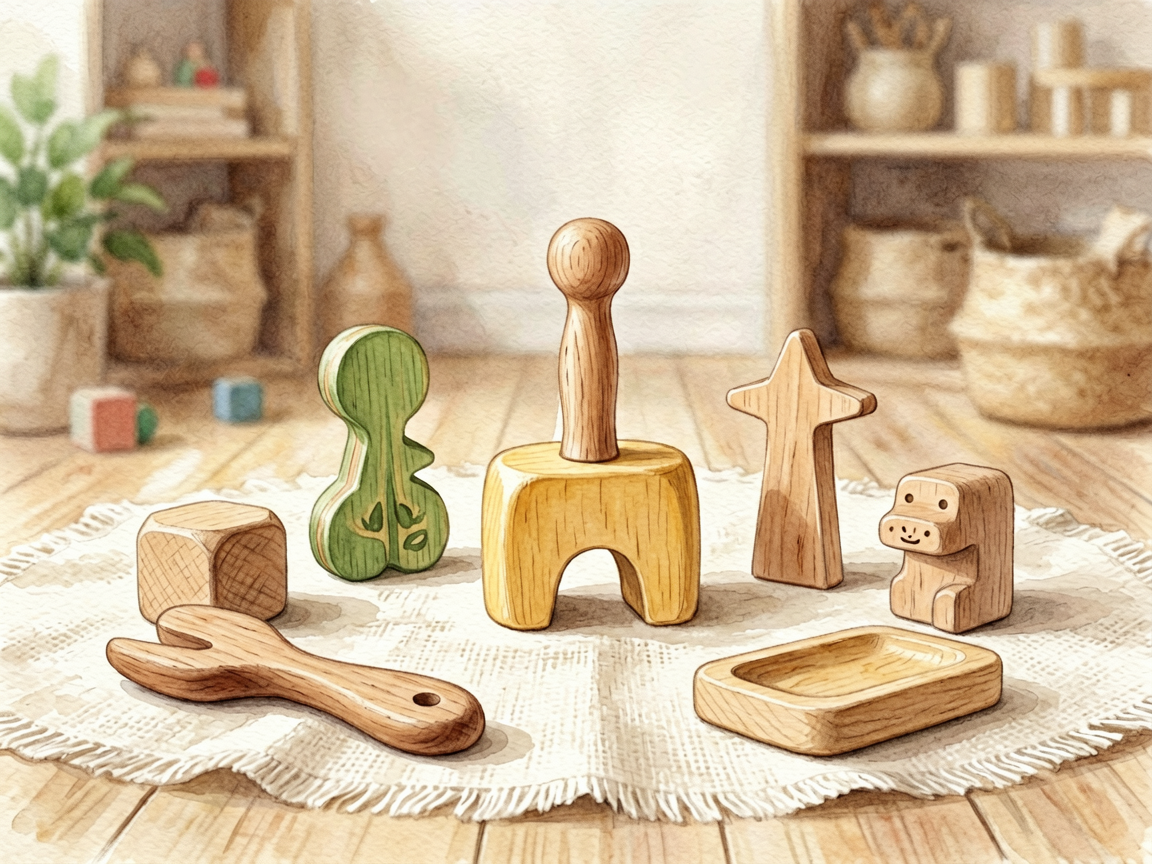
How to spark creativity in 2-year-olds through toy choice: open-ended beats one-note. A closer look at both. What to check before buying.
Water tables and sand tables in kindergarten: how scoop-and-pour play builds early physics thinking and social skills.
Toys for 2-year-olds that support emotional learning: naming feelings through pretend play. Here is how to decide.
Thirteen-year-olds do not need stacks of holiday toys. Why overbuying misses the mark at this age and what gifts land better.
Engineering kits for 10-year-olds: smart investment or fancy toy? Covers age fit, materials, common mistakes, and smart buying tips.
Coding toys for preschoolers are heavily marketed. Whether they deliver real skills at this age, and what free play achieves instead.
Jigsaws have one fixed answer. Open-ended alternatives for creative minds that keep building spatial and logic skills.
Why preschoolers need both water and sand tables: the distinct sensory lessons of each, and how to set them up safely.