Wooden vs. Plastic Toys: What’s Best for Kindergarteners?
The debate between wooden and plastic toys has been a perennial topic among parents, educators, and child development specialists. When it comes to kindergarteners—children aged three to five who are at a critical stage of cognitive, motor, and social development—the choice of play materials can have significant implications. Both wooden and plastic toys offer distinct advantages and drawbacks, and understanding these differences is essential for creating an optimal learning environment. This article provides a comprehensive comparison, examining factors such as safety, durability, educational value, environmental impact, and practical considerations, to help caregivers and teachers make informed decisions.
Introduction: The Role of Toys in Early Childhood Development
Toys are not merely objects of amusement; they are tools that shape how young children explore the world, develop skills, and build relationships. For kindergarteners, play is the primary vehicle for learning. Through play, children practice problem-solving, enhance fine and gross motor skills, develop language, and learn social norms such as sharing and cooperation. The material composition of a toy—whether it is wood or plastic—can influence the type and quality of these interactions. Wooden toys often evoke a sense of nostalgia and are associated with traditional, open-ended play, while plastic toys are ubiquitous in modern classrooms, offering bright colors, interactive features, and often lower costs. This article aims to dissect the pros and cons of each material, drawing on research in child psychology, education, and environmental science, to provide a balanced perspective for those tasked with selecting toys for kindergarteners.
The Case for Wooden Toys
Durability and Safety
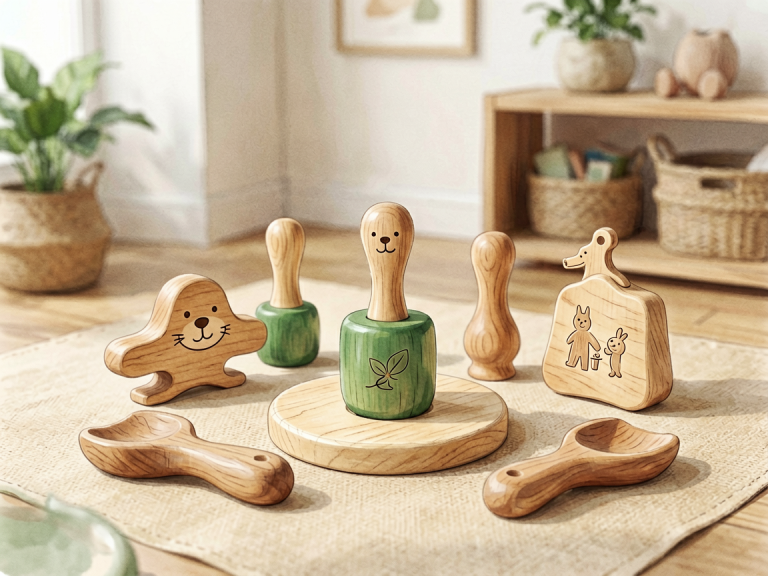
Wooden toys are renowned for their longevity. High-quality hardwoods such as maple, beech, or birch can withstand years of rough handling without breaking or chipping, making them an excellent investment for kindergarten classrooms or family playrooms. Unlike plastic toys, which may crack or develop sharp edges over time, well-crafted wooden toys maintain their integrity. Moreover, wooden toys are generally free from harmful chemicals such as BPA, phthalates, and lead, which are sometimes found in inexpensive plastic alternatives. Natural wood finishes, when non-toxic, reduce the risk of allergic reactions or toxic ingestion—a crucial consideration for young children who often put toys in their mouths. The solid feel of wooden blocks, puzzles, and stacking rings also provides a satisfying tactile experience that many children find calming and grounding.
Sensory and Cognitive Benefits
From a developmental standpoint, wooden toys offer unique sensory stimulation. The natural grain, weight, and slight variations in texture engage a child’s sense of touch in ways that uniform plastic cannot replicate. This tactile diversity is believed to promote neural connections and fine motor control. Additionally, wooden toys are typically simpler in design, lacking batteries, lights, or sounds. This “low-tech” quality encourages open-ended play, where a single wooden block can become a car, a house, or a phone. Such imaginative freedom is crucial for developing creativity, problem-solving skills, and executive function. Research in early childhood education suggests that overly stimulating plastic toys with fixed functions can limit a child’s ability to invent their own narratives, whereas wooden toys invite children to construct their own meanings and scenarios.
Environmental Considerations
For environmentally conscious families and educational institutions, wooden toys present a clear advantage when sourced from sustainably managed forests. Wood is a renewable resource, and many manufacturers now use certified wood from responsibly harvested trees. Additionally, wooden toys are biodegradable, reducing their long-term impact on landfills. In contrast, plastic toys are derived from petroleum, a non-renewable fossil fuel, and their production contributes to greenhouse gas emissions. While recycling programs for plastic toys exist, the reality is that most plastic toys end up in landfills or oceans, where they can take hundreds of years to decompose. Choosing wooden toys can thus align with broader values of sustainability and environmental stewardship, teaching kindergarteners indirectly about the importance of caring for the planet.
The Case for Plastic Toys
Versatility and Variety
Plastic toys dominate the market because of their immense versatility. Manufacturers can mold plastic into virtually any shape, color, or form, allowing for highly detailed replicas of animals, vehicles, action figures, and characters from popular media. For kindergarteners, this variety can be a double-edged sword. On one hand, themed plastic toys (such as dinosaurs, farm animals, or construction vehicles) can spark interest and serve as conversation starters, facilitating language development and thematic learning. Plastic building blocks like LEGO® or Duplo® offer precision engineering that enables children to create complex structures, fostering spatial reasoning and engineering thinking. Moreover, plastic toys can incorporate interactive features such as buttons, lights, and sounds that teach cause-and-effect relationships and can be particularly engaging for children with certain learning styles or attention deficits.
Hygiene and Maintenance
In a kindergarten setting, where many children share toys, hygiene is a paramount concern. Plastic toys have a distinct advantage in this regard: they can be easily wiped down with disinfectant wipes or washed in mild soap and water without degrading. Wooden toys, by contrast, are porous and can absorb moisture, bacteria, and viruses. Frequent cleaning with harsh chemicals may damage the wood’s finish or cause it to warp, making proper sanitation more challenging. During cold and flu seasons, the ability to quickly and thoroughly sanitize plastic toys reduces the risk of illness transmission. Additionally, plastic toys are lighter, making them easier for young children to carry and manipulate, and they often float in water, making them suitable for water play—an activity that wooden toys generally resist.
Cost and Accessibility
From a budgetary perspective, plastic toys are generally more affordable than their wooden counterparts. Mass production using injection molding allows plastic toys to be sold at very low prices, making them accessible to families and schools with limited resources. Wooden toys, especially those crafted from high-quality wood and finished with safe paints, often come with a higher price tag due to material costs and artisanal labor. For kindergarten classrooms that need to stock a large number of toys to accommodate multiple children, plastic options can stretch limited budgets further. Furthermore, plastic toys are widely available in almost every store, while high-quality wooden toys may require special ordering or purchase from specialty shops. This accessibility ensures that even underfunded programs can provide a variety of play materials.
Practical Considerations for Kindergarten Settings
Balancing Developmental Needs with Practical Constraints
The ideal toy selection for a kindergarten classroom is rarely an all-or-nothing choice. Most educators recommend a balanced mix of wooden and plastic toys, curated to serve different developmental purposes. For example, a classroom might feature wooden blocks and puzzles for open-ended construction and fine motor practice, alongside plastic figurines and vehicles for symbolic play and thematic learning. Natural materials like wood can promote calm, focused play, while colorful plastic toys can energize group activities and dramatic play centers. Teachers should consider the specific needs of their students: children with sensory processing disorders might benefit from the grounding weight of wooden toys, whereas children who thrive on visual stimulation might engage more with plastic toys that include moving parts or bright colors.
Safety Standards and Age Appropriateness
Regardless of material, all toys intended for kindergarteners must meet rigorous safety standards. For wooden toys, caregivers should check for splinters, sharp corners, and non-toxic finishes. For plastic toys, it is crucial to avoid those containing BPA, phthalates, or lead—chemicals that have been linked to hormonal disruptions and developmental delays. Additionally, small parts pose choking hazards, so any toy with pieces smaller than a kindergarten child’s mouth should be avoided. Plastic toys that require batteries should have secure compartments that children cannot open. Both wood and plastic can be safe when properly manufactured, but educators must remain vigilant, especially when purchasing from unknown brands or secondhand sources.
Long-Term Value and Environmental Impact
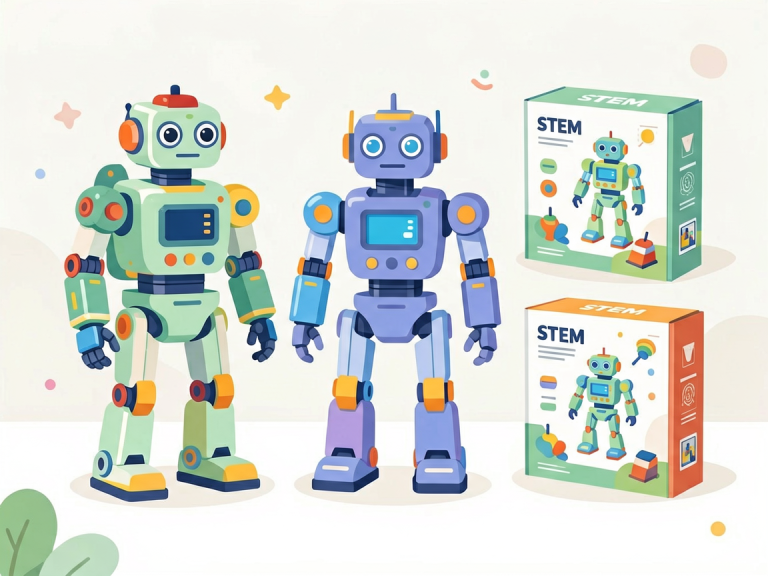
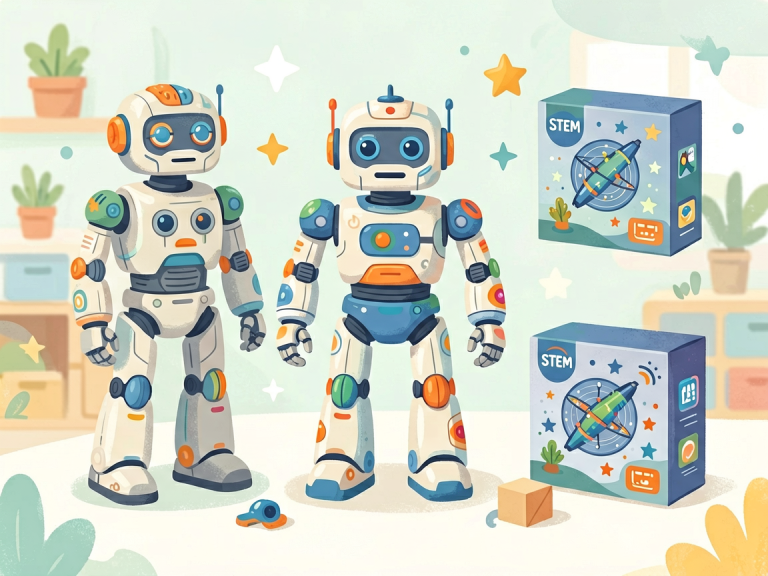
While plastic toys are cheaper upfront, their durability varies widely. Inexpensive plastic toys may break within weeks, leading to replacement costs and waste. High-quality plastic, such as that used in LEGO bricks, can last for decades, but even then, they are non-biodegradable. Wooden toys, though initially more expensive, often last through multiple generations if cared for properly. From an environmental standpoint, choosing sustainable wood toys or secondhand plastic toys reduces the ecological footprint. Some schools have implemented toy libraries or swap programs to extend the life cycle of both types. Ultimately, the decision may also reflect the values of the community: a nature-based kindergarten might prioritize wooden toys to align with its outdoor curriculum, while a STEM-focused program might rely more on plastic building systems.
Conclusion: A Thoughtful Integration
The question of wooden toys versus plastic toys for kindergarteners does not have a single right answer. Each material brings unique benefits that cater to different aspects of a child’s development. Wooden toys excel in fostering creativity, sensory awareness, and environmental responsibility, while plastic toys offer versatility, hygiene, and affordability. In practice, the most effective early childhood environments integrate both, selecting toys based on their intended educational purpose, the children’s interests, and practical constraints. Parents and teachers should avoid dogmatic preferences and instead evaluate each toy individually, considering its safety, durability, and potential to stimulate play. By doing so, they can provide kindergarteners with a rich, diverse play experience that supports holistic growth. Ultimately, what matters most is not the material of the toy, but the quality of the interaction it inspires—whether a child is stacking wooden blocks or snapping plastic bricks, the joy and learning come from the active, imaginative engagement with the world.