Wooden vs. Plastic Toys for Preschoolers: A Comprehensive Guide for Conscious Parents
Introduction
Every parent, caregiver, or early childhood educator has faced the same dilemma while scanning the aisles of a toy store or scrolling through online marketplaces: should I choose the classic wooden block set or the brightly colored plastic building bricks? This seemingly simple decision carries far more weight than most people realize, especially when the target user is a preschooler—a child between the ages of three and five, whose brain is developing at an astonishing rate. During these formative years, every sensory input, every tactile experience, and every moment of imaginative play contributes to cognitive, social, and motor skill development. The materials from which toys are made are not merely cosmetic; they shape the quality of play and influence a child’s long-term relationship with the physical world. This article explores the key differences between wooden and plastic toys for preschoolers, examining safety, developmental benefits, environmental impact, durability, and sensory qualities. By the end, you will have a well-rounded understanding to make an informed choice that aligns with your values and your child’s needs.
Safety Considerations: What Lies Beneath the Surface
When it comes to preschoolers, safety is the foremost concern. Young children explore the world through their mouths, hands, and sometimes reckless enthusiasm. Wooden toys, when crafted from sustainably sourced hardwood such as beech, maple, or oak, and finished with non-toxic paints or natural oils, are generally considered extremely safe. They have no sharp edges if properly sanded, they do not leach chemicals, and they are difficult to break into small, choking-hazard pieces. However, parents must be cautious of cheap wooden toys that may use formaldehyde-based glues, lead-based paints, or splinter-prone softwoods. Always look for certifications like CE, ASTM, or the EN71 safety standards.
Plastic toys, on the other hand, dominate the market because they are inexpensive, lightweight, and easy to mold into any shape. Yet their safety profile is more complex. Many plastic toys contain phthalates, bisphenol A (BPA), and other endocrine-disrupting chemicals that can be absorbed through skin or ingestion, especially when a preschooler chews on a plastic dinosaur or a colorful rattle. Fortunately, regulations in many countries have tightened in recent years, and reputable brands now offer BPA-free and phthalate-free plastics. The material most commonly used for safe plastic toys is polyethylene or polypropylene, which are relatively inert. But even these can degrade over time, leaching microplastics into the environment—and potentially into a child’s body. Another safety point: plastic toys often have small parts that can break off after repeated impact, creating choking hazards. The click-and-connect nature of many plastic construction sets also means that pieces can be swallowed if the child manages to force them apart. Overall, while modern plastic toys can be safe when produced by trusted manufacturers, wooden toys generally offer a more naturally hazard-free experience, provided the wood is untreated or finished with food-grade oils.
Developmental Benefits: How Materials Shape Young Minds
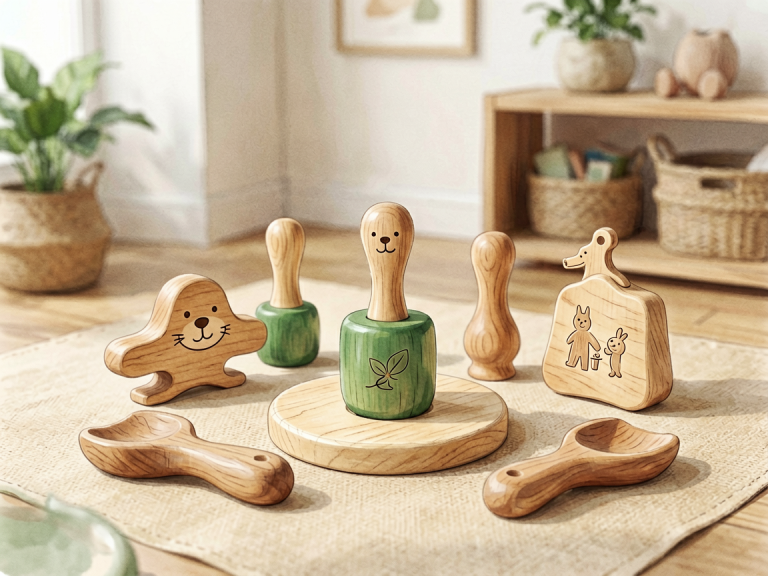
Preschoolers are not just playing; they are building neural pathways. The material of a toy directly influences the type of play it encourages. Wooden toys tend to be more open-ended. A simple set of wooden blocks has no preset function—it can become a castle, a bridge, a spaceship, or a pile of logs. This ambiguity stimulates creativity, problem-solving, and spatial reasoning. When a preschooler figures out how to balance a curved block on top of a triangular one, they learn physics through trial and error. The weight, texture, and natural grain of wood also provide rich sensory feedback that helps develop fine motor skills and hand-eye coordination. Additionally, wooden toys often have a slower pace; they do not flash lights or make electronic sounds, which means the child must create the narrative themselves, deepening their concentration and imaginative capacity.
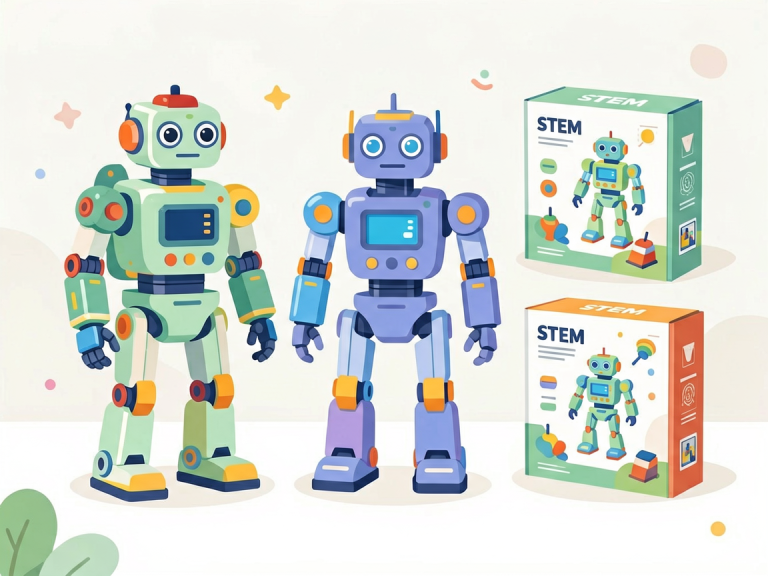
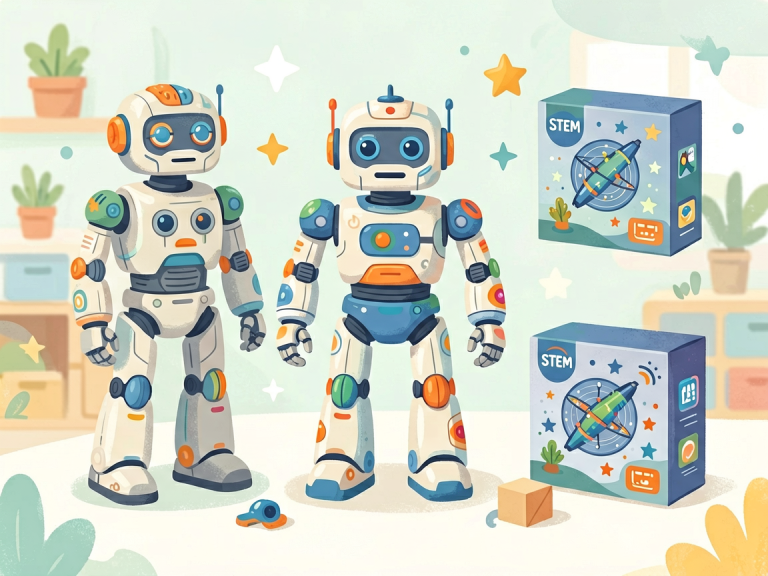
Plastic toys, especially those designed for the preschool market, often come with an abundance of features—batteries, lights, sounds, moving parts. While these can captivate a child’s attention temporarily, they may also lead to more passive play. A plastic toy that sings the alphabet when a button is pressed does the cognitive work for the child, reducing the need for mental engagement. On the other hand, certain plastic toys are excellent for specific skill-building. For instance, interlocking plastic bricks with precisely engineered studs and tubes allow preschoolers to practice fine motor precision and follow step-by-step instructions, which fosters early literacy and numerical skills. Plastic puzzles, shape sorters, and stacking rings are also developmentally valuable. The key difference is that plastic toys often prioritize closed-ended play (a specific outcome), while wooden toys tend to promote open-ended exploration. A balanced approach—perhaps providing both types—can give the child the best of both worlds.
Another important developmental aspect is social interaction. Wooden toys, being simpler, often require collaboration. Two preschoolers can build a tower together, negotiate roles, and resolve disputes when the tower falls. Plastic toys with multiple pieces, like a plastic kitchen set, can also encourage cooperative play. However, electronic plastic toys sometimes isolate a child, as the toy itself becomes the entertainer rather than a tool for human interaction. Therefore, for social development, simpler and more tactile materials—whether wood or high-quality, non-electronic plastic—are generally preferable.
Environmental Impact: The Long-term Cost of Play
In an era of growing environmental awareness, the ecological footprint of a toy matters. Wooden toys, if sourced from responsibly managed forests (look for FSC certification), are biodegradable, renewable, and carbon-sequestering. A high-quality wooden toy can last for decades, being passed down through generations, and at the end of its life, it can be composted or safely burned, returning nutrients to the earth. The production of wooden toys typically involves less energy than plastic manufacturing, especially if the wood is locally sourced. However, there is a downside: many wooden toys are coated with paints or varnishes that may not be biodegradable, and the cutting and sanding process produces wood dust, a waste product.
Plastic toys are a different story. Almost all plastic is derived from fossil fuels, and its production releases significant greenhouse gases. Once manufactured, plastic toys are virtually indestructible in a landfill; they can take hundreds of years to break down, fragmenting into microplastics that pollute oceans and soil. Recycling plastic toys is rarely feasible because they contain mixed plastics, metal parts, paints, and adhesives. Most end up in the trash or are incinerated, releasing toxic fumes. An exception is toys made from recycled plastic, which at least reduces the demand for virgin material. But even then, the recycling process itself consumes energy and water. The durability of plastic is often cited as an advantage, but ironically, cheap plastic toys break easily and are quickly discarded, leading to a high turnover rate and more waste. In contrast, wooden toys, if well cared for, can last through multiple children, significantly reducing the per-use environmental impact.
For the environmentally conscious parent, the choice is clear: wooden toys have a much smaller ecological footprint, provided they are from sustainable sources. That said, the best environmental choice is always to buy fewer, higher-quality toys—regardless of material—and to pass them on when no longer needed.
Durability and Cost: Investing in the Long Haul
Preschoolers are notoriously rough on their belongings. A toy that cannot withstand being thrown, chewed, dropped, or stepped on is not fit for purpose. Wooden toys, when made from solid hardwood, are remarkably resilient. A well-made wooden train set can survive years of vigorous play, and scuffs or scratches can often be sanded down and re-oiled, restoring its beauty. The initial cost of wooden toys is usually higher—sometimes two to three times more than an equivalent plastic toy. But this is an investment. A single wooden puzzle can outlast a dozen cheap plastic puzzles that crack or lose their pieces.
Plastic toys are cheap to produce and therefore cheap to buy. A bag of 100 plastic building blocks may cost only a few dollars. However, the low price often comes with low quality. Thin plastic can snap, joints can break, and colors can fade after exposure to sunlight. Some plastic toys are also difficult to clean; they can harbor bacteria in crevices. Furthermore, because they are inexpensive, parents may feel less attached to them and more willing to discard them, creating a cycle of consumption. On the other hand, high-end plastic toys from brands like LEGO or Duplo are engineered to survive extreme punishment—they are made from ABS plastic, which is tough and impact-resistant, and the modular design means pieces are interchangeable across decades. These premium plastic toys can also last for generations, but their price tag is comparable to, or even exceeds, that of many wooden toys.
When considering cost, it is helpful to calculate the cost per hour of play. A wooden dollhouse that costs $120 and is used by three children over ten years provides thousands of hours of engagement, making each hour cost mere cents. A $30 plastic dollhouse that falls apart after one year and is then thrown away is actually more expensive in the long run, both financially and environmentally.
Sensory and Aesthetic Experience: The Feel of Play
The sense of touch is a primary way preschoolers learn about the world. Wooden toys offer a warm, natural texture that is pleasing to hold. The slight grain, the subtle variations in color, the gentle weight—all these provide a rich sensory input that plastic cannot replicate. Wood also does not feel cold or sticky, and it warms to the child’s hand. Many educators note that wooden toys have a calming effect, possibly because they lack the jarring visual and auditory stimuli of plastic gadgets. A preschooler who is overstimulated by a loud, flashing plastic toy may find solace in stacking a set of smooth wooden rings.
Plastic toys, by contrast, are often lightweight, hollow, and uniform in texture. They can feel cheap and sometimes even sharp if the mold seams are not properly trimmed. The colors of plastic toys are usually synthetic and extremely bright, which can be visually stimulating but also overwhelming. That said, some plastic toys are designed with careful attention to ergonomics—for example, a plastic sand toy with rounded edges can be perfectly comfortable. The aesthetic of plastic is often associated with modern, clean lines, but it lacks the organic beauty and timeless appeal of wood. For parents who value simplicity, natural materials, and a Montessori-inspired environment, wooden toys are the clear choice. For those who prefer a more contemporary, colorful, and mass-produced look, plastic may be more appealing.
Ultimately, the sensory experience affects how long a child engages with a toy. Studies in developmental psychology have shown that children spend more time exploring toys that offer varied tactile feedback. Wooden blocks, for instance, invite stacking, knocking down, and examining the grain, while a plastic block that is perfectly identical to the next one provides less incentive for prolonged exploration. This is not to say plastic toys are useless; many plastic toys incorporate different textures and sounds deliberately, but the baseline richness of wood is hard to beat.
Conclusion: Finding the Right Balance for Your Preschooler
There is no one-size-fits-all answer to the wooden-versus-plastic debate. The ideal toy box for a preschooler should be carefully curated based on the child’s individual temperament, the family’s values, and practical considerations. Wooden toys excel in safety (when non-toxic), open-ended creativity, environmental sustainability, durability, and sensory richness. They are a fantastic investment for core play things such as blocks, puzzles, stacking toys, and play kitchens. Plastic toys have their place as well: they are more affordable, can be molded into highly detailed and functional shapes (like wheels, gears, and connectors), and are lighter for little hands to carry. They also excel in outdoor environments where water, mud, and sand might damage wood.
The key is to avoid the extremes. A preschooler does not need a room full of plastic junk, nor does she need only expensive wooden toys with limited functionality. A balanced approach—perhaps 70 percent high-quality, open-ended wooden toys and 30 percent thoughtfully selected plastic toys that serve a specific developmental purpose—can provide the ideal learning environment. When purchasing any toy, always prioritize non-toxic materials, check for safety certifications, and consider the toy’s potential for long-term use. Remember that the best toy for a preschooler is not defined by its material, but by the quality of the play it inspires. Whether wooden or plastic, a toy that sparks imagination, encourages hands-on exploration, and fosters connection with others is worth every penny. So next time you reach for that brightly colored plastic item, pause and ask: will this be a cherished companion for years, or just a fleeting distraction? The answer will guide you toward the right choice for your child and for the planet.