Top 10 Best Building Blocks Under $100: A Comprehensive Guide for Parents and Hobbyists
Introduction
Building blocks are more than just toys—they are gateways to creativity, problem-solving, and even early engineering skills. Whether you are a parent looking for an educational gift for your child, a teacher stocking a classroom, or an adult enthusiast seeking a relaxing hobby, the market offers an overwhelming variety of options. However, finding high-quality building blocks that won’t break the bank can be a challenge. Fortunately, there are dozens of excellent sets available for under $100 that deliver superb play value, durability, and imaginative potential. In this guide, we will explore the best building blocks under $100, covering classic interlocking bricks, magnetic tiles, wooden blocks, and STEM-focused kits. Each recommendation has been carefully evaluated based on price, piece count, age suitability, educational benefits, and overall fun factor. By the end, you will be equipped to choose the perfect set for your needs—without exceeding your budget.
—
Why Building Blocks Matter
Before diving into specific products, it is worth understanding why building blocks remain a staple in childhood development and adult leisure. For children, manipulating blocks improves fine motor skills, hand-eye coordination, and spatial awareness. Open-ended play encourages divergent thinking—there is no single “right” way to build, which fosters creativity and resilience. For older kids and adults, complex building sets can provide a meditative escape from screens, offering a tangible sense of accomplishment. Studies have also shown that constructive play correlates with stronger math and science aptitude later in life. Given these benefits, investing in a good set of blocks is a wise decision—and staying under $100 does not mean you have to sacrifice quality or quantity.
—
Factors to Consider When Choosing Building Blocks Under $100
1. Age Appropriateness
Safety and complexity go hand in hand. Sets with small pieces are not suitable for children under three due to choking hazards. Conversely, older children may find oversized blocks boring. Always check the manufacturer’s recommended age range.
2. Material and Durability
Plastic blocks should be made of non-toxic, BPA-free materials. Wooden blocks should be smooth, splinter-free, and coated with safe paint. Magnetic tiles require strong, embedded magnets that won’t come loose.
3. Compatibility
If you already own a collection (e.g., LEGO, Mega Bloks, or Magna-Tiles), compatibility matters. Many generic brands now mimic the dimensions of popular systems, allowing you to expand your kit affordably.
4. Theme and Creativity Potential
Some sets come with instructions for specific models (cars, castles, robots), while others are purely open-ended. Think about whether the child prefers guided builds or free-form exploration.
5. Piece Count vs. Price
Under $100, you can expect anywhere from 100 to over 1,000 pieces. A higher piece count often offers more play value, but quality should never be sacrificed for quantity.
—
Top Picks: Best Building Blocks Under $100
Classic Interlocking Bricks
1. LEGO Classic Creative Brick Box (11030) – Around $60
LEGO’s Classic line is the gold standard for open-ended brick play. The 11030 set includes 1,000 pieces in 33 different colors, plus a variety of specialty pieces like wheels, windows, and eyes. It comes with a few simple instructions to get started, but the real magic lies in mixing and matching. This set is ideal for ages 4 and up, and because it uses standard LEGO dimensions, it is compatible with any other LEGO set. Under $100, you get incredible value—the cost per piece is roughly $0.06, which is excellent for genuine LEGO bricks. The only minor drawback is the lack of a storage box (the set comes in a cardboard box), so you may want to supply your own container.
2. Mega Bloks First Builders – Around $30
For toddlers (ages 1–3), Mega Bloks’ First Builders are a fantastic entry point. The blocks are larger than standard LEGO, making them easy for small hands to grasp and stack. A 150-piece bag typically costs under $30, and the blocks are chunky, colorful, and washable. They also fit with other Mega Bloks sets, so you can expand gradually. While they lack the precision of LEGO, they are perfect for early development. The only caution: these blocks are too simple for children older than 5.
3. Coodoo 1,000-Piece Building Blocks – Around $25
If you want a huge brick set on a tight budget, Coodoo offers a 1,000-piece set that is compatible with LEGO. The bricks come in a sturdy plastic storage box with a snap-lid, and the colors are vibrant. The quality is surprisingly good for the price—the clutch power (how tightly bricks stick) is slightly less consistent than LEGO, but it holds up well during play. This set is ideal for large classroom projects or for kids who just want an endless supply of bricks. At roughly $0.025 per piece, it is one of the most cost-effective options on the market.
Magnetic Tiles
4. PicassoTiles 100-Piece Magnetic Tiles Set – Around $45
Magnetic tiles have surged in popularity because they allow 2D and 3D construction with satisfying clicks. PicassoTiles’ 100-piece set includes squares, triangles, and a few rectangles in translucent colors. The magnets are strong enough to hold moderate structures (castles, towers, geometric shapes). This set is suitable for ages 3 and up, and it encourages spatial reasoning and symmetry. Unlike bricks, tiles do not require fine motor dexterity, making them great for younger children. The set includes an idea booklet, but most kids will invent their own designs. One note: avoid stepping on these tiles—they can crack under heavy weight. At $45, this is an excellent STEM toy for the price.
5. Playmags 110-Piece Clear Magnetic Tiles – Around $55
Playmags is a direct competitor to PicassoTiles, and their 110-piece set offers more pieces, including window frames, wheels, and a car chassis. The tiles are slightly thicker and more rigid than some budget brands. They also include a storage tote with sections. The magnets are well-embedded, and the tiles are compatible with other major magnetic tile brands. This set is particularly good for building vehicles and houses. The only downside is the price per piece is slightly higher than PicassoTiles, but the added specialty pieces justify the cost.
Wooden Building Blocks
6. Melissa & Doug Standard Unit Blocks (100-Piece Set) – Around $85
Wooden blocks have a timeless appeal, and Melissa & Doug’s 100-piece set is a classroom favorite. The blocks come in 19 different shapes (rectangles, squares, triangles, arches, cylinders) made from sustainably sourced hardwood. They are sanded smooth and finished with a non-toxic, water-based lacquer. The set is heavy and substantial, making it perfect for preschoolers (ages 3–8). Children can build towers, bridges, and entire cities without worrying about pieces locking together—gravity and balance are the rules here. The set comes in a wooden storage crate. At $85, it is at the top of our budget, but the durability means it will last for generations. One limitation: no instructions, so pure creativity is required.
7. Hape Wooden Construction Blocks (80-Piece Set) – Around $40
For a more affordable wooden option, Hape’s set includes 80 blocks in a variety of shapes and colors. These blocks are slightly smaller than the Melissa & Doug ones, making them better for small hands. The paint is water-based and safe. The set includes some curved and triangular pieces that encourage architectural thinking. Hape is known for its eco-friendly manufacturing, so you can feel good about the purchase. At $40, it is a steal. However, the blocks are not as hefty as premium brands, so they may slide more on smooth surfaces.
STEM-Focused Building Kits
8. K’NEX 100-Model Building Set – Around $50
K’NEX uses rods and connectors to create moving structures, which is perfect for budding engineers. The 100-model set includes over 800 pieces and instructions for 100 different models (cars, planes, ferris wheels, etc.). The pieces snap together with a satisfying click and can create working cranks, wheels, and hinges. This set is recommended for ages 7 and up, as it requires patience and dexterity. The biggest selling point is the STEM learning—kids grasp concepts of gears, levers, and structural integrity. One downside: building instructions can be complex, so adult help may be needed for younger children. Under $50, it offers fantastic value.
9. Engino Discovering STEM Structures & Bridges – Around $45
Engino specializes in educational engineering kits. This particular set focuses on building 9 different bridge models (beam, arch, truss, suspension, etc.) plus a few skyscraper designs. The 207 pieces include special connectors that allow multi-directional building. The kit comes with a 36-page booklet explaining the physics behind each structure, including terms like tension and compression. It is designed for ages 8–16, but adults will also enjoy it. The only caveat: the pieces are somewhat small, and losing one can be frustrating. Still, for under $50, this is one of the best ways to introduce structural engineering concepts.
Hybrid and Specialty Sets
10. Magformers 30-Piece Rainbow Set – Around $60
Magformers are magnetic building sets where each piece is a geometric shape with embedded magnets that rotate freely inside the plastic housing. This allows for incredibly smooth connections—you never have to fight with polarity. The 30-piece Rainbow Set includes squares, triangles, pentagons, and a couple of wheels. The magnets are among the strongest in the industry, and the pieces are compatible with other Magformers sets. This set is particularly good for building balls, polyhedra, and geometric sculptures. It is suitable for ages 3 and up, though the pieces are small enough to require supervision for toddlers. At $60, it is pricier per piece than magnetic tiles, but the build quality is superior.
—
How to Get the Most Out of Your Building Block Set
Once you have chosen your set, maximize its potential with these tips:
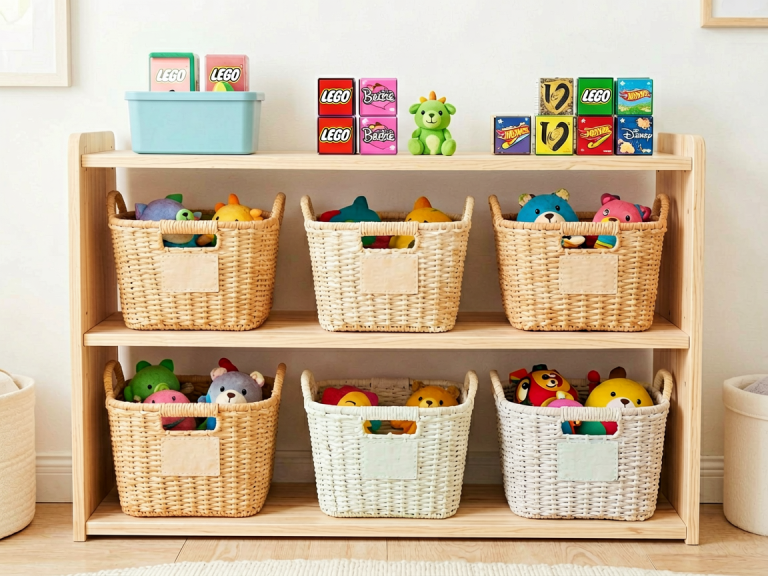
- Rotate storage: Keep blocks in a visible, accessible container to encourage spontaneous play.
- Add loose parts: Combine blocks with nature items (pine cones, sticks) or household objects (paper tubes, bottle caps) for open-ended exploration.
- Set challenges: Try building the tallest tower, a bridge that can hold a book, or a maze for a marble.
- Combine sets: Many of the brands listed above are compatible with each other (e.g., Coodoo bricks work with LEGO; PicassoTiles and Playmags are partly compatible). Mixing expands possibilities.
- Involve the whole family: Building together strengthens bonds and teaches collaboration.
—
Conclusion
Finding the best building blocks under $100 is entirely achievable, thanks to a diverse market that caters to all ages, interests, and budgets. From the timeless charm of wooden unit blocks to the high-tech magnetism of tiles and the engineering rigor of K’NEX, there is a set for every builder. For toddlers, Mega Bloks or a small wooden set provides a safe start. For school-age children, the LEGO Classic Brick Box or a magnetic tile set offers endless creativity. For older kids and adults, STEM kits like Engino or K’NEX deliver intellectual satisfaction. And for cost-conscious buyers, the Coodoo 1,000-piece set proves that you don’t need to spend a fortune to get a mountain of blocks.
Remember, the best building block set is the one that gets used—and loved. Consider the recipient’s age, interests, and existing collections before making your choice. With any of the options above, you will be investing in hours of constructive play, learning, and joy. So go ahead, pick a set, and start building something amazing—all for less than $100.