The Hidden Costs of Buying Cheap Toys: A Parent’s Guide to Avoiding the Mistake
Introduction: The Allure of Low Prices
Every parent knows the scene: a child’s eyes light up at the sight of a brightly colored, inexpensive toy on a store shelf. The price tag reads $2.99 or $5.00, and it seems like an innocent indulgence. After all, who can resist making a child happy for such a small cost? But beneath the surface of that cheap plastic dinosaur or battery-powered gadget lies a mistake that many parents unknowingly make—a mistake that extends far beyond the initial purchase. Buying cheap toys is not just about saving a few dollars; it is a decision that can affect a child’s safety, development, the environment, and even the family’s long-term finances. This article explores the multifaceted error of prioritizing price over quality and offers a roadmap for making smarter, more meaningful choices.
The Illusion of Savings: Short-Term vs. Long-Term Costs
One of the most deceptive aspects of cheap toys is the false economy they create. A toy that costs $3 may seem like a bargain, but when it breaks within a week—or even a few hours—the total cost quickly escalates. Parents end up replacing broken toys repeatedly, spending far more over time than they would have on a single, durable item. For instance, a cheap plastic car that cracks after two days of play requires a new purchase, while a sturdier wooden version may last years and even be passed down to siblings. The math is simple: the average cheap toy purchased ten times over a year costs more than a high-quality alternative bought once. Yet this reality is obscured by the momentary thrill of a low price.
Moreover, cheap toys often come with hidden expenses. Batteries for battery-operated toys drain quickly and require frequent replacement. Many of these toys are not designed to be repaired; when a small part breaks, the entire toy becomes useless. In contrast, higher-quality toys from reputable brands are often backed by warranties, replacement parts, or at least a longer lifespan. The initial investment may be larger, but the cost per hour of play is significantly lower. Parents who fall for the illusion of savings end up spending more money, time, and frustration—all while providing their children with inferior play experiences.
Safety Hazards Lurking in Cheap Toys
Perhaps the most alarming mistake associated with buying cheap toys is the risk to children’s health and safety. Low-cost manufacturers often cut corners on materials, assembly, and safety testing to keep prices down. This can lead to dangerous consequences. Small parts that detach easily pose a choking hazard for toddlers. Toxic substances such as lead, phthalates, and bisphenol A (BPA) have been found in many cheap plastic toys, particularly those produced in countries with lax regulations. A study by the U.S. Public Interest Research Group (PIRG) has repeatedly identified cheap toys that exceed legal limits for hazardous chemicals. These substances can harm a child’s developing nervous system, cause hormonal disruptions, or contribute to long-term health issues.
Additionally, cheap toys are often poorly constructed with sharp edges, pinch points, or flimsy fasteners that can cause cuts, bruises, or even strangulation risks from loose strings or cords. Battery compartments on cheap electronic toys may be accessible to young children, leading to chemical burns or ingestion of batteries. In stark contrast, reputable toy manufacturers adhere to strict safety standards such as ASTM F963 in the United States or the European EN 71 certification. They invest in rigorous testing, quality control, and child-safe designs. While no toy is entirely risk-free, the odds of a dangerous defect are exponentially higher in the cheap, unregulated market. Parents who buy cheap toys without checking labels or certification are essentially gambling with their children’s well-being.
Environmental Impact of Disposable Playthings
The environmental cost of cheap toys is another critical dimension of this mistake. Most cheap toys are made from low-grade plastics that are not recyclable or biodegradable. They are designed for short-term use—literally disposable playthings. Once broken or outgrown, they end up in landfills, where they can take hundreds of years to decompose. According to the World Economic Forum, the toy industry generates millions of tons of plastic waste annually, and a significant portion comes from inexpensive, single-use toys. The production process itself is also harmful: cheap toys are often manufactured in facilities with weak environmental regulations, releasing toxins into the air and water.
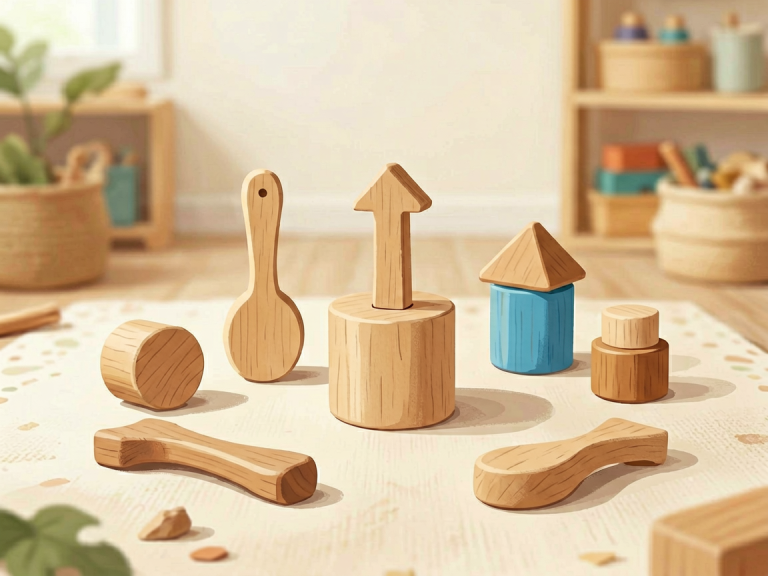
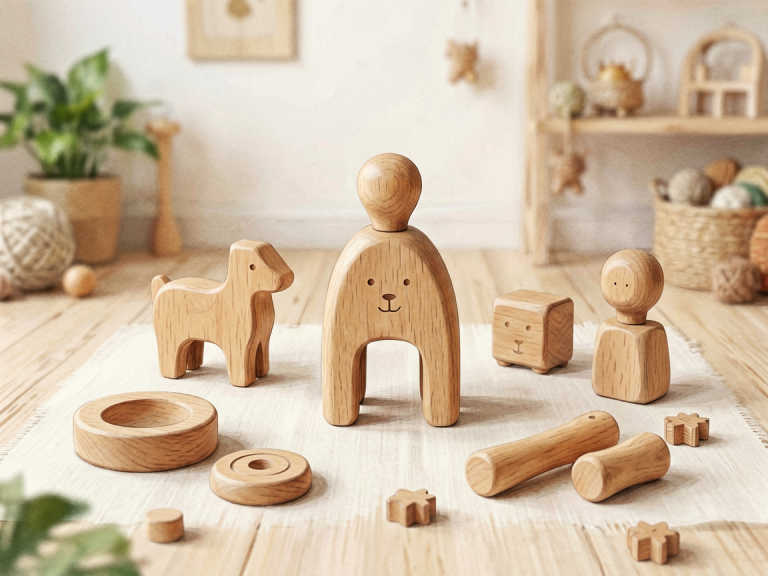
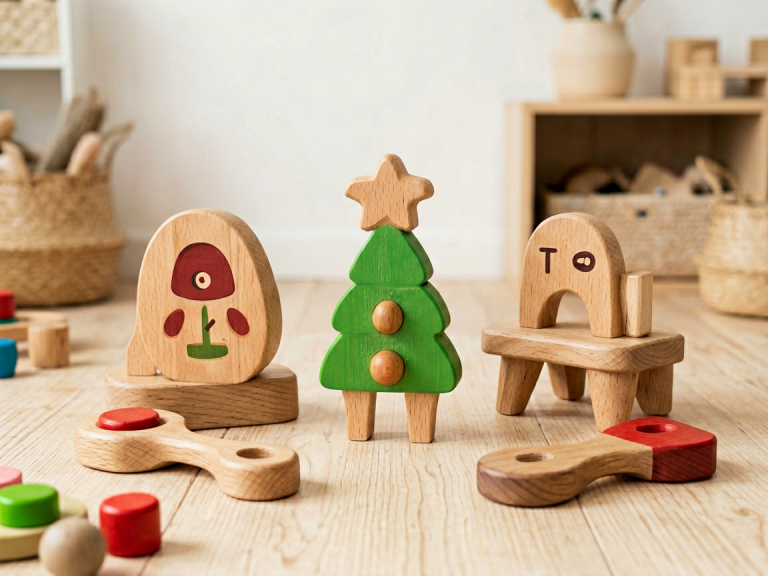
Beyond direct waste, cheap toys contribute to a culture of overconsumption. Because they are so inexpensive, parents buy them impulsively, often accumulating piles of forgotten toys that clutter homes and ultimately get thrown away. This cycle of “buy, break, discard” is unsustainable. In contrast, investing in fewer, higher-quality toys made from sustainable materials—such as wood, organic cotton, or recycled plastics—reduces environmental harm. These toys are built to last, can often be repaired, and are sometimes made by companies with ethical sourcing policies. Choosing quality over cheapness is a small but meaningful step toward reducing one’s ecological footprint and teaching children the value of responsible consumption.
Stifling Creativity and Development
Another mistake parents make is underestimating how cheap toys can actually hinder a child’s development. Cheap toys are often designed to be flashy but shallow: they light up, make noise, and perform limited actions that entertain for a few minutes but offer little room for open-ended play. A cheap plastic toy that shoots lasers and makes explosion sounds may capture attention momentarily, but it does not encourage imagination, problem-solving, or fine motor skills. In contrast, simple, well-made toys like building blocks, art supplies, or wooden puzzles promote creativity because they require the child to actively engage, invent stories, and experiment.
Child development experts agree that the best toys are those that are 90% child and 10% toy—meaning the child does most of the work. Cheap toys often reverse that ratio; they are so stimulating that they overwhelm the child, leaving little room for independent thought. Moreover, cheap toys frequently break during play, causing frustration and interrupting the flow of learning. A child who repeatedly has to deal with broken toys may become disheartened or develop a sense of disposability—that objects (and even relationships) are temporary and replaceable. Quality toys, by contrast, can be taken apart, reassembled, and repurposed, fostering resilience and cognitive flexibility. The mistake of buying cheap toys thus subtly undermines the very developmental benefits that play is supposed to provide.
The Emotional Toll on Children and Parents
Beyond the practical and developmental concerns, buying cheap toys can have an emotional impact on both children and parents. For children, receiving a cheap toy that breaks quickly can be disappointing and confusing. They may feel that their parents don’t value them enough to give them something that lasts. In a society already saturated with material abundance, the thrill of a new toy fades rapidly, and children begin to associate happiness with constant acquisition rather than with meaningful engagement. This can lead to a cycle of dissatisfaction, where no amount of cheap toys ever feels sufficient.
For parents, the mistake of buying cheap toys often comes with guilt and regret. Rushing to buy a cheap item to calm a tantrum or fill a moment of boredom may offer immediate relief, but later, seeing the broken toy or realizing the waste can trigger feelings of inadequacy. Many parents also struggle with clutter; the accumulation of cheap toys makes homes messy and stressful. The constant need to clean up, repair, or discard creates a low-level anxiety that is easily avoidable. Furthermore, parents who realize they have made a pattern of buying cheap toys may feel they have failed to make wise decisions for their children’s upbringing. This emotional burden is an often-overlooked cost of the original “bargain.”
Making Smarter Choices: A Path Forward
The good news is that the mistake of buying cheap toys is entirely avoidable. The first step is to shift mindset from “How much does it cost?” to “How much will this toy be used and loved?” Parents can adopt a few simple strategies: prioritize open-ended toys that grow with the child; look for certifications like ASTM, EN71, or the Forest Stewardship Council (FSC) label; buy second-hand quality toys from reputable brands; and set a rule of “one in, one out” to manage toy accumulation. Another effective approach is to focus on experiences over objects—gift a museum membership, a craft kit, or a shared activity instead of a cheap item that will quickly be forgotten.
Lastly, it is important to teach children the value of quality and care. Let them see you researching a purchase, waiting for a sale on a durable item, or repairing a broken toy rather than tossing it. Model the behavior of being a conscious consumer. By avoiding the cheap-toy trap, parents not only save money and reduce stress but also provide their children with safer, more enriching playthings that support healthy development and a sustainable planet.
Conclusion: A Lesson Worth Learning
In the end, buying cheap toys is a mistake that touches on safety, finances, the environment, and emotional well-being. It is a deceptively simple choice that carries complex consequences. The next time you see a flashy, low-priced toy, pause and think beyond the price tag. Consider the true cost: the potential health risks, the environmental damage, the developmental loss, and the quiet disappointment that may follow. Make the choice that honors your child’s future, your home’s harmony, and the planet’s health. It is a small decision that can have a lasting, positive impact—far greater than any cheap toy could ever offer.