How to Avoid Buying Cheap Toys: A Parent’s Guide to Smart Shopping
Introduction
Every parent wants to give their child joy, and toys are often the most tangible expression of that love. However, the market is flooded with cheaply made toys that may break within days, contain toxic materials, or even pose safety hazards. The phrase “you get what you pay for” rings especially true in the toy industry. But with clever marketing, eye-catching packaging, and rock-bottom prices, it can be tempting to grab that bargain-bin action figure or plastic playset without a second thought. This article provides a comprehensive, step-by-step guide on how to avoid buying cheap toys—not just to save money in the long run, but to protect your child’s health, development, and happiness.
Understand What “Cheap” Really Means
The Hidden Costs of Low-Price Toys
When you buy a toy that costs only a few dollars, you are not simply saving money—you are often making a trade-off that your child may ultimately pay for. Cheap toys are typically manufactured with low-quality plastics, unstable paints, and weak glue. They may contain phthalates, lead, or other harmful chemicals that are illegal in many developed countries but still slip into imported products. Even if the toy itself is not immediately dangerous, its short lifespan can lead to frustration for a child who becomes attached to it, or worse, cause injury when a small part breaks off and becomes a choking hazard. Understanding that “cheap” often means “costly” in terms of safety, durability, and emotional value is the first step toward smarter purchasing.
The Psychology Behind Impulse Toy Buying
Retailers know that children are natural impulse buyers. Bright colors, cartoon characters, and flashing lights trigger a dopamine response in both kids and adults. Cheap toys are strategically placed near checkout counters or in low aisles where children can grab them easily. Recognizing these marketing tactics helps you pause and evaluate the toy’s actual quality before handing over your credit card. Ask yourself: Will this toy still be interesting after a week? Does it encourage creativity or is it just a disposable novelty? If the answer is no, put it back.
Research Before You Buy
Read Reviews and Check Safety Recalls
The internet is your most powerful tool against cheap toys. Before purchasing any toy—whether online or in a store—take five minutes to read customer reviews. Look for comments about the toy’s paint chipping, parts falling off, or strange smells. Also, check official safety recall databases such as the U.S. Consumer Product Safety Commission (CPSC) website or the European Union’s Rapid Alert System. If a brand has had multiple recalls for unsafe levels of lead or small parts, avoid it entirely. Remember: a good review may be fake, but a pattern of safety complaints is almost always real.
Compare Materials and Construction
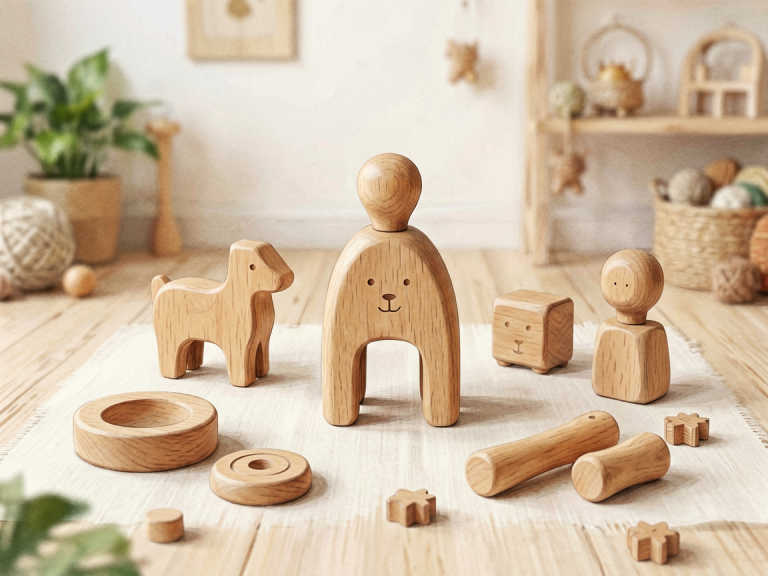
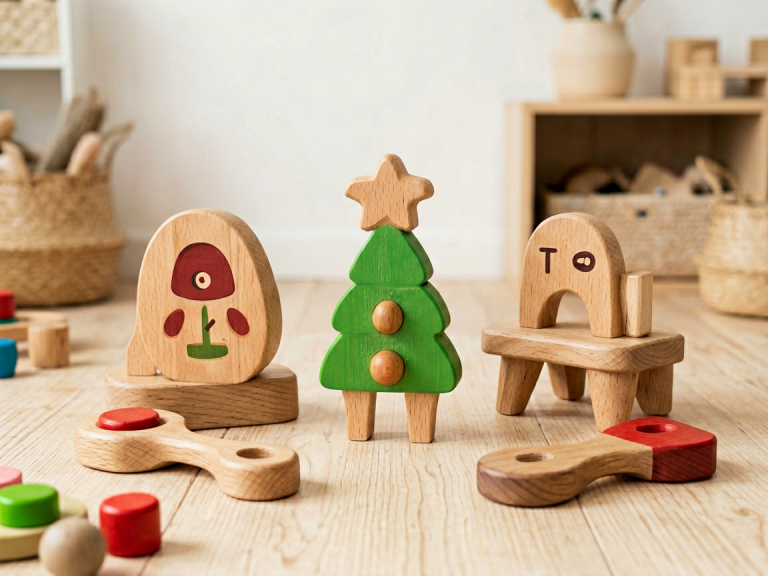
High-quality toys are made from solid materials like beechwood, untreated cotton, stainless steel, or food-grade silicone. Cheap toys often use flimsy soft plastics that feel greasy or have a strong chemical odor. When you hold a toy in your hands, test its weight—lighter toys are usually hollow and more prone to cracking. Check seams, edges, and joints. Are they smooth or rough? Do they wobble? If a toy feels like it might snap with moderate pressure, it will probably break during rough play. This simple tactile observation can save you from buying a poorly made product.
Recognize the Red Flags of Cheap Toys
Overly Bright and Uneven Colors
Cheap toys are often painted with low-quality dyes that can rub off on hands or be ingested. Look for uneven coloration, drips, or paint that chips easily. If you see a toy that is neon-colored but the paint looks patchy, it is likely a cheap import. High-end brands use non-toxic, multi-layer paints that adhere firmly to the surface. For babies and toddlers, avoid painted toys altogether unless the paint is certified as food-safe.
Strong Chemical or Plastic Smell
One of the most obvious signs of a cheap toy is a strong, unpleasant odor. This comes from volatile organic compounds (VOCs) emitted by low-grade plastics, solvents, or synthetic adhesives. If a toy smells like gas, rubber, or a swimming pool (chlorine), do not buy it. Even if the smell fades, the chemicals may still leach. Reputable toy manufacturers use odor-free materials and adhere to strict safety standards.
Loose Batteries or Exposed Wires
Electronic toys that require batteries are especially common in the cheap category. Poorly designed battery compartments can open easily, exposing children to button batteries that are extremely dangerous if swallowed. Also, cheap wiring may be exposed or poorly insulated. Before buying any electronic toy, open the battery cover (if accessible) and check if it has a screw. Without a screw, the battery compartment is likely not child-resistant. Avoid any toy where the electronics feel flimsy or where the on/off switch is loose.
Prioritize Quality Over Quantity
Adopt the “Few But Good” Philosophy
It is far better to own six high-quality toys than sixty cheap ones. Not only do better toys last longer, but they also promote deeper, more imaginative play. A beautifully crafted wooden train set can be used for years, while a cheap plastic train may break after a week. By limiting the number of toys in your home and focusing on quality, you teach your child to value and care for their possessions. Moreover, high-quality toys often have open-ended play possibilities that cheaper, hyper-specific toys lack.
Look for Certifications and Standards
Reputable toy manufacturers voluntarily submit their products to independent testing. Look for certifications such as:
- ASTM F963 (United States)
- CE marking (European Union)
- EN71 (European Toy Safety Standard)
- CPSIA (Consumer Product Safety Improvement Act)
- OEKO-TEX (for textiles)
- FSC-certified wood
If a toy does not display any of these certifications on its packaging or website, be extremely cautious. While some small artisanal brands may still be safe without formal certification, mass-produced cheap toys rarely bother with such testing.
Shop from Reputable Sources
Buy from Established Brands and Specialty Stores
Big-box retailers and discount stores often stock cheap toys because they are profitable per unit. Instead, purchase toys from known brands that prioritize safety, such as Melissa & Doug, Hape, Brio, Lego, Fisher‑Price (for early learning), or PlanToys. While these brands are not immune to occasional problems, they have far better track records. Also, consider buying from specialty toy stores that curate their inventory and often hire knowledgeable staff who can explain the material and safety features of each product.
Avoid Street Vendors and Flea Markets
Street vendors, flea markets, and temporary seasonal stalls are prime sources for cheap toys. These products are often smuggled, counterfeit, or made without any safety oversight. They may look identical to a popular brand item but are actually knockoffs containing toxic materials. If you see a “Disney” doll or a “Hot Wheels” car priced at a fraction of the normal cost, it is almost certainly a counterfeit. Avoid such purchases entirely—no amount of savings is worth the risk.
Think About Longevity and Educational Value
Choose Toys That Grow with Your Child
Cheap toys are usually designed for a single age range and a single purpose. A plastic dinosaur that only makes noise will be boring after two days. Instead, look for toys that adapt to your child’s developmental stages—for example, building blocks, magnetic tiles, art supplies, or puzzles that increase in difficulty. These toys cost more upfront but yield years of engagement. They also encourage problem-solving and fine motor skills, whereas cheap toys often do little more than provide flashing lights.
Resist Fads and Licensed Characters
Toys tied to the latest movie, TV show, or social media trend are almost always overpriced and under-engineered. Manufacturers rush them to market to capitalize on a short-lived craze, so quality is sacrificed for speed. For example, a cheap licensed superhero figure might have thin plastic arms that break off after the first attempt to pose it. Avoid buying any toy simply because it features a popular character. Instead, explain to your child that the character can be enjoyed through books or screen time, and that the actual toy should be chosen based on its play value.
Practical Strategies for In-Store Purchases
Perform the Squeeze and Shake Test
While in the store, handle the toy as if you were a toddler. Squeeze it—does it make a crunching sound? If so, it is likely hollow and fragile. Shake it—does something rattle inside? That might be a loose part that could become a choking hazard. Pull on any appendages, decals, or accessories. If they come off easily, the toy is poorly made. Never buy a toy that fails these simple physical tests.
Check Packaging for Detailed Information
Cheap toys often have minimal packaging, with vague claims like “non-toxic” but no actual certifications. Look for specific contact information for the manufacturer or distributor. If the only information is a generic “Made in China” without a company name or address, be suspicious. Quality brands provide clear assembly instructions, warranty details, and customer service contacts. Also, avoid toys that are sold with no packaging at all—these are often leftover stock from unknown sources.
The Role of Second-Hand Toys
How to Safely Buy Used Toys
Buying used toys is not inherently bad—in fact, it can be an excellent way to get high-quality brands at a discount. However, you must apply the same scrutiny as with new toys. Check for wear and tear, especially on electrical cords, battery compartments, and painted surfaces. Avoid soft toys that cannot be washed thoroughly, as they may harbor dust mites or mold. Also, be aware that older toys may not meet current safety standards—for example, vintage wooden toys may contain lead paint. If you buy used, stick to brands you trust and thoroughly clean the toy before giving it to your child.
Teach Your Child to Value Quality
A Family Conversation about Toys
Even young children can learn to appreciate quality. The next time you go shopping, involve your child in the decision process. Show them the difference between a sturdy wooden puzzle and a cheap cardboard one. Explain that the wooden one will not bend or tear, so they can enjoy it longer. When a cheap toy breaks, do not immediately replace it—instead, use it as a teaching moment: “Remember, we talked about how this toy might not last? Let’s save up for a better one.” Over time, children learn that durable toys are more fun and that patience and smart choices lead to greater satisfaction.
Conclusion
Avoiding cheap toys is not about snobbery or spending more money than necessary. It is about making informed, conscious decisions that protect your child’s health, support their development, and reduce waste. By researching materials, recognizing red flags, choosing reputable brands, and prioritizing longevity over novelty, you can fill your home with toys that are safe, engaging, and built to last. The next time you feel the pull of a bargain-priced toy, pause and remember: the true cost of cheap toys is never the price tag alone. It is the hidden risks, the broken promises, and the disappointment that come with them. Your child deserves better—and with these strategies, you can give it to them.