The Art of Playroom Organization: How Parents Can Transform Chaos into Learning Opportunities
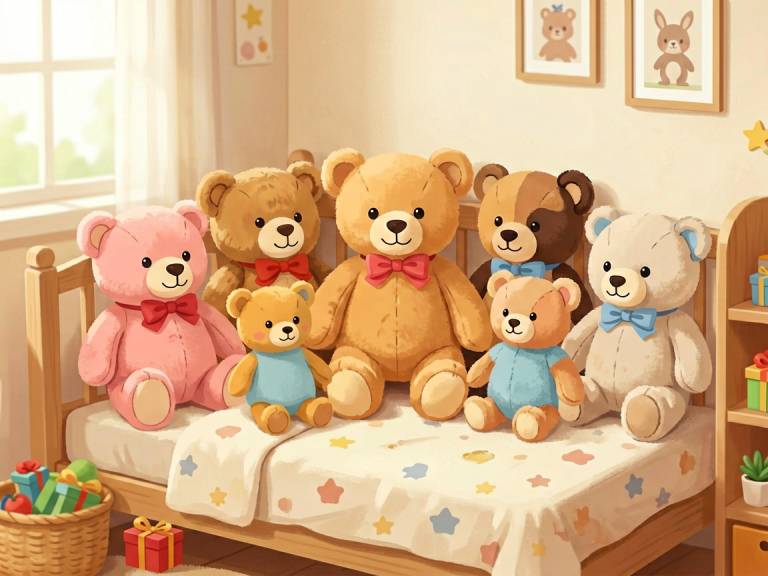
Every parent knows the scene: a mountain of toys scattered across the floor, blocks mingling with puzzle pieces, crayons rolling under the sofa, and a child who cannot find the one thing they actually want. The playroom, intended as a space for joy and creativity, often becomes a source of frustration for both children and adults. Yet with thoughtful organization, the playroom can evolve into something far more powerful—a structured environment that fosters independence, cognitive growth, and emotional calm. This article explores how parents can use playroom organization not merely as a chore, but as a strategic tool to support their child’s development and reclaim their own sanity.
Creating a Foundation for Independent Play
One of the most compelling reasons to organize a playroom is to encourage independent play. When toys are arranged in a logical, accessible manner, children can easily see what is available and choose activities without constant adult assistance. This autonomy builds confidence and reduces the frequency of “I’m bored” complaints.
Start by grouping toys into clearly defined zones. For instance, designate a corner for building blocks and construction sets, another for arts and crafts, a shelf for puzzles and board games, and a small nook for pretend play with costumes and dolls. Use low, open shelving so that even toddlers can reach items safely. Label each zone with pictures or simple words—a photo of a paintbrush for the art area, a picture of a car for the vehicle bin. These visual cues help children understand the system and return items to their proper homes.
When children can locate and retrieve their own toys, they learn to initiate play independently. Over time, this habit reduces the parent’s role as constant entertainer and gives the child a sense of ownership over their space. A well-organized playroom also minimizes the overwhelm that comes from too many choices. Instead of facing a chaotic pile, the child sees manageable categories and can decide, “Today I feel like drawing,” without being distracted by the plastic dinosaur that rolled into the corner.
Fostering Cognitive Development Through Categorization
Organization is not just about neatness—it is a powerful cognitive exercise. When parents deliberately design a playroom with sorting and classification in mind, they are essentially laying the groundwork for logical thinking, pattern recognition, and mathematical reasoning.
Use clear bins and baskets for different types of toys: one for animals, one for vehicles, one for musical instruments, one for blocks. Encourage your child to help with sorting during cleanup time. Ask questions like, “Does this red car go with the vehicles or with the cars? Wait, all vehicles are cars? Let’s think: trucks and cars are both vehicles, so they belong together.” This dialogue stimulates brain development and teaches categorization—a skill that underpins science, math, and language.
You can take it a step further by introducing color-coded labels or number systems. For example, assign a colored dot sticker to each bin that matches the color of the shelf shelf’s edge. A blue dot on the bin and a blue strip on the shelf mean the bin returns to that specific spot. This visual matching reinforces early color recognition and memory. Older children can practice reading labels or counting how many items are in each bin, turning cleanup into a playful learning moment.
Moreover, organized play helps children develop executive function skills such as planning and task initiation. When they know exactly where the puzzle box is and where to put it back, they can mentally sequence the steps: “First I finish the puzzle, then I place it on the shelf, then I choose the next activity.” This process builds working memory and self-regulation.
Reducing Parental Stress and Streamlining Daily Routines
Let’s be honest: a messy playroom is a major source of parental stress. Stepping on a Lego piece, searching for missing puzzle pieces, or spending twenty minutes cleaning up every evening can erode patience and consume valuable family time. Strategic playroom organization directly addresses these pain points.
Adopt the “rotation” method to keep the number of available toys manageable. Store half of the toys in closed cabinets or in the basement, and rotate them every few weeks. This not only keeps the room tidy but also makes toys feel new and exciting again. Parents can set up a simple system: after a toy rotation, place a sticker on the calendar to remember when to swap. The reduced clutter means less cleanup time and fewer lost pieces.
Invest in furniture that doubles as storage. A bench with a lift-up lid can hold stuffed animals; a cube shelf with fabric bins hides small items while keeping them organized. Hanging shoe organizers on the back of a door are perfect for art supplies, action figures, or small cars. The goal is to make putting things away as easy as taking them out. When every item has a designated home, the mental load of deciding where to place something disappears.
Additionally, involve your child in the cleanup routine from an early age. Use a timer: “Let’s see if we can put all the blocks away in three minutes!” Sing a cleanup song or make it a game. When the system is intuitive and the child feels competent, cleanup becomes a habit rather than a battle. Parents who successfully implement these strategies report spending significantly less time tidying and more time enjoying their children.
Teaching Responsibility and Ownership
Playroom organization is an ideal vehicle for teaching children about responsibility. When a child understands that they are the caretaker of their own space, they develop a sense of pride and accountability. This lesson extends far beyond the playroom—it builds skills that apply to homework, chores, and eventually professional life.
Start by giving your child a role in the organization plan. Take them shopping for bins and let them choose the colors. Let them draw or print labels. Ask for their input: “Where do you think the art box should go?” This participation creates buy-in. Then establish a clear expectation: at the end of each play session, every toy must be returned to its home before moving on to the next activity.
Use a simple visual checklist on the wall. For example, a laminated chart with pictures: “Puzzles→Shelf A, Blocks→Bin B, Books→Bookcase.” Children can check off each task with a dry-erase marker. This builds sequential memory and gives them a concrete sense of accomplishment. When they forget, calmly guide them back to the checklist rather than nagging. Over time, the routine becomes internalized.
It is also wise to designate a “lost and found” box for stray items that do not have a home. Encourage children to check this box weekly and decide if they want to keep the item or donate it. This teaches decision-making and the realistic notion that space is finite. For older kids, link organization to allowance or privileges: if the playroom is tidy for five days in a row, they earn extra screen time or a outing. This extrinsic motivation can gradually transition to intrinsic satisfaction.
Encouraging Creativity and Imagination
A cluttered environment can be distracting and overwhelming, stifling creativity. Conversely, a thoughtfully organized playroom can actually spark imaginative play. How? By presenting options in a curated, inspiring way.
Create a “provocation” shelf—a small display where you rotate a few carefully chosen items that invite open-ended play. For example, place a wooden rainbow, a set of felt shapes, and a picture of a forest scene. Without explicit instructions, children will invent their own narratives. The key is to limit the number of items so the child’s mind is not overloaded. A tidy, calm space allows the imagination to wander freely.
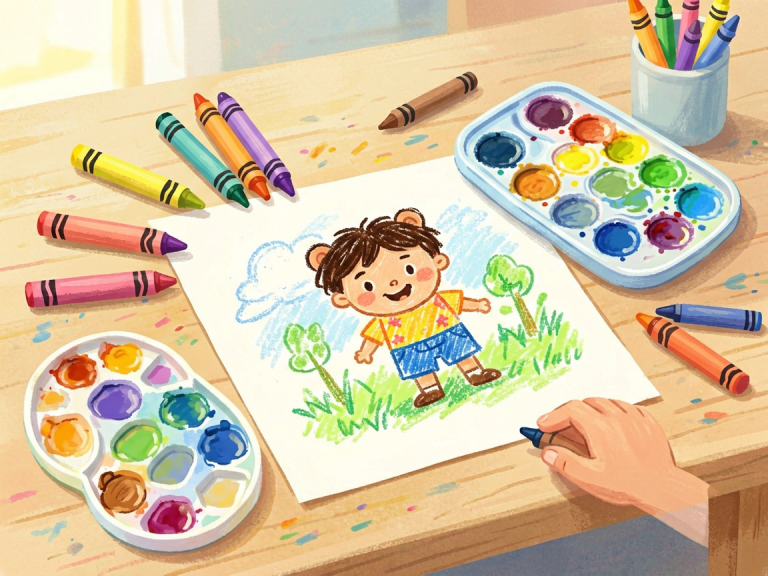
Organize art supplies in a way that invites experimentation. Keep blank paper, scissors, glue, and crayons in easy reach, but store specialty items like glitter or markers in clear jars so children can see what is available. A messy art cabinet where everything is shoved together may discourage a child from starting a project because they cannot find the red marker. When everything is visible and accessible, the act of creation becomes seamless.
Similarly, for pretend play, arrange costumes on low hooks and props in labeled baskets. A cape, a crown, and a wand might inspire fairy tales; a chef’s hat, a play stove, and plastic food stimulate restaurant play. By organizing these items into small themed sets, you give children a springboard for their stories. They can easily assemble and disassemble scenarios, learning to negotiate roles and collaborate with siblings.
Practical Tips for Implementing Playroom Organization
The theory is clear, but execution can be daunting. Here are actionable steps for parents who want to revamp their playroom without overwhelming themselves.
- Purge first. Before buying any bins or labels, go through every toy with your child. Sort into three piles: keep, donate, and discard. Be honest about what is actually used. Broken toys, missing pieces, and items your child has outgrown can go. This reduces clutter and makes organization far simpler.
- Use clear containers. Clear bins allow children to see contents without dumping everything out. If you prefer opaque bins, attach a photo of the contents to the outside.
- Limit the number of bins. Too many containers can be as chaotic as no containers. Aim for five to seven main categories. For example: Building, Art, Puzzles, Pretend Play, Vehicles, Books, and Musical.
- Create a cleanup station. Install a small dustpan and brush set, a spray bottle of water (child-safe), and a cloth. Teach children to wipe down the playroom after they finish playing. This instills care for belongings.
- Schedule a weekly reset. Every Sunday evening, spend 15 minutes together returning stray items to their homes, sharpening pencils, and straightening shelves. This prevents small messes from snowballing.
- Model organization yourself. Children learn by watching. If they see you putting your own belongings away—books, keys, shoes—they will adopt similar habits. Make organization a family value, not just a child-only rule.
Conclusion
Playroom organization is far more than a domestic chore. It is a powerful parenting strategy that nurtures independence, sharpens cognitive skills, reduces daily stress, teaches responsibility, and unlocks creativity. By designing a space where every toy has a home and each zone invites exploration, parents give their children the gift of order—not the rigid order of a museum, but the flexible, child-friendly order that says, “You are capable. You are in charge. This space is yours.”
The time invested in setting up a thoughtful system pays dividends in fewer tantrums, more peaceful afternoons, and children who grow up with the confidence to organize not only their playthings but also their thoughts and their lives. So take a deep breath, grab some bins, and start transforming that chaotic playroom into a launchpad for growth and joy.