Smart Toy Shopping: Essential Tips for Parents Buying Toys Online
The digital marketplace has transformed the way parents shop for toys. With just a few clicks, you can access thousands of products, compare prices, and have gifts delivered straight to your door. Yet this convenience comes with unique challenges: misleading product descriptions, counterfeit items, hidden safety risks, and the overwhelming temptation of impulse buys. As a parent, your priority is not only to delight your child but also to ensure the toy is safe, age-appropriate, and worth every penny. This guide offers practical, research-backed tips to help you navigate the online toy aisle with confidence.
1. Prioritize Safety and Age Recommendations
Before clicking “add to cart,” verify the manufacturer’s age recommendation and safety certifications. Online listings can be vague or even inaccurate, so cross-check with the official brand website or trusted third-party sources. For children under three, be especially wary of small parts that pose choking hazards—always check for phrases like “small parts warning” in the product description. Look for certifications such as ASTM (American Society for Testing and Materials) or CE (Conformité Européenne) marks, which indicate that the toy meets recognized safety standards. Additionally, read reviews from other parents who may have noticed sharp edges, toxic paint, or loose components. Remember: a toy labeled “for ages 3+” might actually be suitable for a younger child with supervision, but never rely solely on the listing’s headline—dig into the fine print.
2. Read Reviews Strategically, Not Obsessively
Customer reviews are a goldmine of real-world insight, but they can also be misleading. Start by filtering for “verified purchases” to avoid fake reviews. Focus on reviews that mention durability, actual size, and how children engage with the toy over time—not just first impressions. For example, a five-star review that says “my 4-year-old loved it on day one” is less useful than a four-star review that says “the batteries died after two weeks, and the pieces are hard to snap together.” Pay attention to negative reviews that reveal consistent problems: if several buyers mention broken hinges or toxic smells, take that seriously. On the flip side, ignore overly enthusiastic reviews that sound like marketing copy. A balanced approach helps you distinguish between a genuine gem and a dud.
3. Compare Sizes, Materials, and Real Photos
Online photos can be deceiving—a toy may look huge in a stock image but arrive tiny, or vice versa. Always scroll through the product images to find ones that include a scale reference, such as a hand holding the toy. If the listing lacks such photos, search for unboxing videos or customer-uploaded pictures on social media platforms. Pay attention to materials: the description might say “non-toxic plastic,” but check if it specifies “BPA-free” or “phthalate-free.” For wooden toys, look for smooth finishes and non-toxic paint. For electronic toys, note the type of batteries required and whether they are included. When in doubt, zoom in on the details: a blurry image is often a red flag for poor quality.
4. Understand Return and Warranty Policies
Even with careful research, a toy may not meet your expectations. Before purchasing, review the seller’s return policy, especially for international or third-party listings. Some online platforms offer free returns within 30 days, while others charge restocking fees or require the original packaging. If the toy is defective, you typically have more protection under consumer laws—but you may need to contact the manufacturer directly for a warranty claim. For expensive items like ride-on cars or robotic kits, check the warranty length and what it covers. Save all order confirmations and screenshots of the product page, just in case the listing changes after your purchase. A clear understanding of your rights can save you from frustration if something goes wrong.
5. Beware of Counterfeit and Overpriced Toys
The dark side of online shopping is the prevalence of counterfeit toys, especially for popular brands like LEGO, Barbie, or Disney. Counterfeit toys may contain harmful chemicals, break easily, or lack safety testing. To avoid fakes, purchase directly from the brand’s official store on the platform, or from authorized retailers. Check the seller’s ratings and history—brand-new sellers with suspiciously low prices should raise red flags. Compare the price with other reputable stores; if it seems too good to be true, it probably is. Also, be cautious of “bundles” that throw in extra items you didn’t ask for—they often contain cheap, unsafe accessories. Remember: a slightly higher price from a trusted source is a small investment in your child’s safety.
6. Think Beyond the Hype: Educational and Open-Ended Value
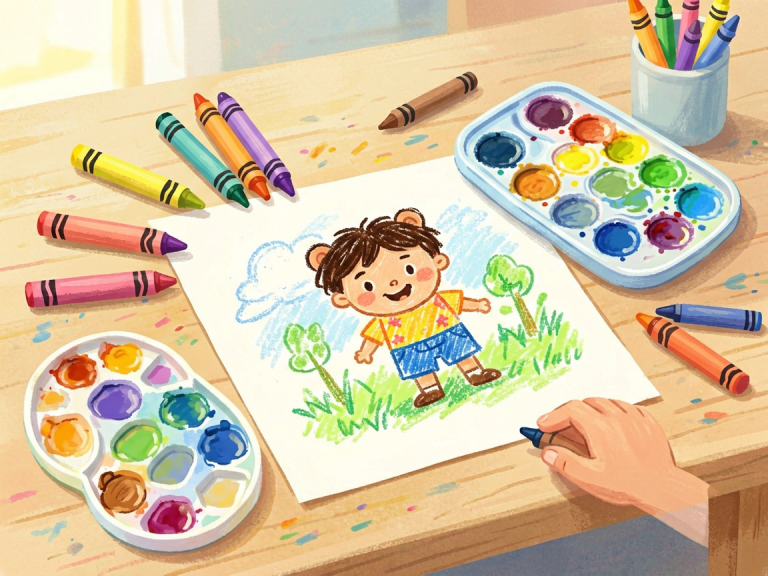
The most viral toy on social media might not be the best choice for your child’s development. Before buying, ask yourself: Does this toy encourage creativity, problem-solving, or physical activity? Will it grow with my child, or will it be abandoned after a week? Open-ended toys—such as building blocks, art supplies, puzzles, and pretend-play sets—offer long-term value and multiple ways to play. Avoid toys with a single function (e.g., a talking plush that only repeats a few phrases) unless your child has a specific interest. Also, consider the toy’s environmental impact: choose sustainably sourced materials, avoid excessive plastic packaging, and look for toys that can be passed down to younger siblings or donated. A thoughtful purchase not only sparks joy but also supports mindful consumption.
7. Set a Budget and Resist Impulse Buys
Online algorithms are designed to tempt you with “limited-time deals” and “recommended for you” pop-ups. To avoid overspending, set a clear budget before you start browsing. Use price comparison tools or browser extensions that track historical prices—this way, you can spot a genuine discount versus a fake markdown. Create a wishlist and wait 24 hours before buying; the impulse often fades. If you’re shopping for a birthday or holiday, plan ahead to avoid last-minute shipping surcharges. For younger children, remember that they often enjoy the box and wrapping paper as much as the toy itself—so don’t feel pressured to buy the most expensive option. A simple, well-chosen toy that matches your child’s current interests is far more valuable than a pile of trendy gadgets.
8. Involve Your Child (Within Reason)
Finally, consider letting your child have a say in the selection—within boundaries. Show them two or three safe, age-appropriate options and ask which one they prefer. This builds decision-making skills and reduces the chance of disappointment when the package arrives. However, resist opening the floodgates to their every whim. Explain that not every toy on a screen can be real, and that some toys are better for them than others. If they are old enough, teach them how to read reviews and compare features—this turns the shopping experience into a learning opportunity about money, comparison, and critical thinking.
Conclusion
Buying toys online can be a joyful experience when you approach it with knowledge and caution. By prioritizing safety, reading reviews critically, comparing details, and thinking long-term, you can find toys that truly enrich your child’s playtime. Remember that your love and attention matter far more than any store-bought present. The next time you open your browser, scroll with intention, click with care, and watch your child’s face light up—not just from the toy, but from the thoughtfulness behind it.