Smart Strategies to Buy Toys on a Budget: Insider Tips for Parents and Caregivers
Word Count: 1,024
—
Introduction: Why Budget-Friendly Toy Shopping Matters
Every parent knows the joy of watching a child’s eyes light up over a new toy. Yet the pressure to keep up with the latest trends, beloved characters, and educational claims can quickly drain a household budget. The good news? You don’t have to sacrifice quality, fun, or developmental value to spend less. With a little planning and creativity, you can build a wonderful toy collection that sparks imagination, supports learning, and fits comfortably within your financial boundaries. This article provides a comprehensive guide to buying toys on a budget, covering everything from timing your purchases to embracing second-hand treasures. Whether you are stocking a nursery, preparing for birthday parties, or simply looking to refresh the playroom, these actionable tips will help you stretch every dollar without sacrificing your child’s joy.
—
1. Set a Realistic Toy Budget and Stick to It
Before you browse any store or website, define your spending limit. Treat toys as a category in your monthly expenses, just like groceries or utilities. A simple approach is to allocate a fixed amount—say $20–$40 per month—and allow unused funds to roll over for bigger purchases like a special holiday gift. Tracking your spending using a notebook or a budget app helps you stay accountable. Remember: a budget is not about restriction; it is about prioritization. When you know exactly how much you can spend, you become a more deliberate shopper, less tempted by impulse buys and flashy displays.
—
2. Shop Off-Season and Capitalize on Clearance Sales
Timing is everything in budget toy shopping. The retail calendar follows predictable cycles: after major holidays (Christmas, Easter, and back-to-school season), stores slash prices to clear out inventory. January and July are goldmine months for clearance deals. For example, you can pick up a summer-themed playset in August at 70% off, or a Halloween puzzle in early November. Sign up for email newsletters from major retailers like Target, Walmart, and Amazon to receive alerts about clearance events. Also, keep an eye on the “clearance” section in physical stores—often located at the back or near the customer service desk. Discounts of 50–90% are common, especially for packaging that is slightly damaged or items from the previous season that are perfectly functional.
—
3. Embrace Second-Hand, Consignment, and Thrift Stores
Gently used toys offer tremendous value. Children outgrow toys quickly, and many families donate or sell items that still have plenty of life left. Thrift stores (Goodwill, Salvation Army), consignment shops, and online marketplaces (Facebook Marketplace, Craigslist, or local Buy Nothing groups) are excellent sources. When buying second-hand, inspect the toy carefully:
- Check for broken parts, sharp edges, or missing pieces.
- Ensure batteries are not leaking and electronics still work.
- Wipe down plastic toys with a disinfectant wipe before play.
- Avoid used plush toys unless they are machine-washable and in pristine condition.
Puzzles and board games are often sold with missing pieces, so open the box to verify contents whenever possible. Many parents successfully build entire collections of magnetic tiles, wooden blocks, and LEGO sets for a fraction of retail price by sourcing second-hand. The environmental benefit is a bonus—buying used reduces waste.
—
4. Focus on Open-Ended, Simple Toys That Grow with Your Child
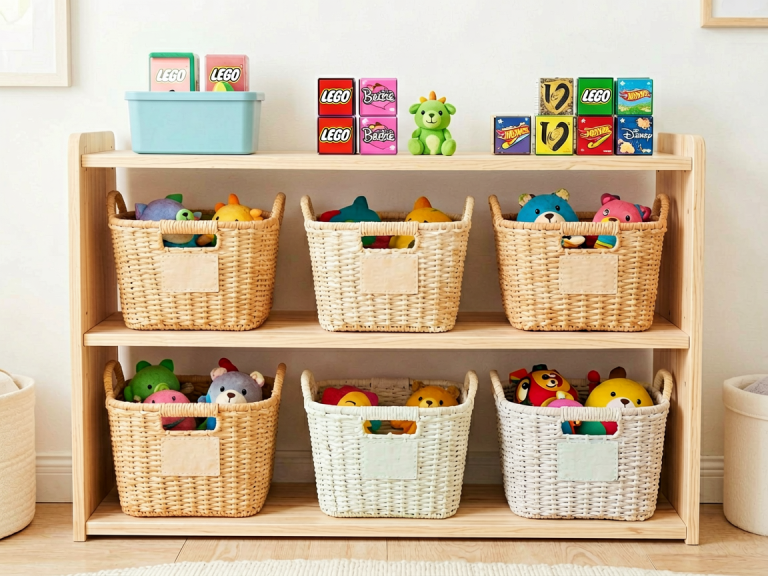
Ironically, the most expensive toys are often the ones children ignore after a week. Instead, invest in open-ended toys that encourage creativity and adaptability over time. These items remain engaging across multiple ages and stages:
- Building blocks (wooden or plastic)
- Magnetic tiles
- Dolls or action figures with minimal accessories
- Art supplies (crayons, play dough, reusable sticker books)
- Dress-up clothes and props
- Simple musical instruments (shakers, drums, xylophone)
Because open-ended toys rarely go out of style, you can confidently buy them used or on sale knowing they will be used for years. Moreover, they often spark more imaginative play than a single-purpose electronic gadget that does all the talking for your child.
—
5. Use the “One In, One Out” Rule to Control Clutter and Spending
An effective way to stay on budget is to enforce a replacement policy. When you bring a new toy home, ask your child to choose one toy to donate, sell, or recycle. This teaches children about sharing and gratitude while preventing your home from becoming overwhelmed with stuff. Financially, the system curbs impulse purchases because you must justify every new item by removing an existing one. It also encourages more thoughtful buying: you will only acquire toys that truly add value to the play space. For young children, make the process positive—frame it as “making room for a new friend” rather than “getting rid of old things.”
—
6. Take Advantage of Loyalty Programs, Coupons, and Cashback Apps
Retailers and toy brands often reward loyal customers. Sign up for free loyalty programs at stores like Target (Target Circle), Amazon (Prime membership), and specialty toy shops. Use apps like Honey or Rakuten to find coupon codes and earn cashback when you shop online. Ibotta sometimes offers rebates on toy purchases. Stack these discounts whenever possible: combine a store coupon with a sale price, plus cashback, and you can save 30–50% or more. For example, buying a board game during a “Buy one, get one 50% off” promotion while using a 15% coupon and earning 5% cashback can make a $30 game cost you around $12. Always check for manufacturer coupons on the brand’s website or social media before checkout.
—
7. Host or Join a Toy Swap with Friends and Community Groups
Toy swaps are social, eco-friendly, and completely free. Organize a small gathering with other parents in your neighborhood, at your workplace, or through a local parenting group. Each person brings a limited number of gently used toys—say, five items—and then everyone takes home an equal number of new-to-them toys. Set simple rules:
- Toys must be clean and in good working condition.
- No recalled or broken items.
- Small toys (like party favors) should be bagged together.
If you cannot host a swap, join a local “Buy Nothing” group on Facebook. Members often post free toys they are decluttering. You can also propose a “wish list” trade, where families pass along outgrown toys in exchange for something they need. This method builds community while saving money.
—
8. Avoid the “Gimmick Trap” and Research Before You Buy
Marketing can make a cheap-looking plastic toy seem like a must-have. Before purchasing, ask yourself: *Will this toy be played with in three different ways? Does it encourage independent play or does it require constant adult involvement? Is it durable enough to survive at least six months?* Read online reviews from other parents, especially on sites like Amazon, Reddit, or parenting blogs. Look for comments about longevity, battery life, and whether the child actually returns to the toy after the first week.
If a toy promises to teach a specific skill (like a “smart” robot that teaches coding), see if there are free or cheaper alternatives that teach the same concept—like a simple puzzle, a book, or a DIY craft. Often, the most educational toys are the simplest ones that let children explore at their own pace.
—
9. DIY and Homemade Toys on a Shoestring Budget
You don’t need to buy anything to create engaging toys. Use household items to craft activities:
- Turn cardboard boxes into castles, cars, or puppet theaters.
- Make sensory bins with rice, beans, scoops, and small containers.
- Create homemade play dough (flour, salt, water, oil, food coloring).
- Sew simple cloth dolls or fabric scraps for dress-up capes.
- Save bottle caps, jar lids, and paper towel tubes for sorting games and building sets.
Pinterest is full of free DIY toy ideas that use materials you already have. Involving your child in the creation process doubles the fun and teaches resourcefulness. For example, a toddler might enjoy decorating an empty oatmeal container to use as a drum, while older children can design their own board games from cardboard and markers.
—
10. Keep a Running Wish List and Wait for the Right Price
Impulse buying often wrecks a toy budget. Instead, maintain a “toy wish list” on your phone or in a notebook. Whenever your child expresses interest in a specific item, add it to the list with the current price and date. Then practice patience. Prices fluctuate dramatically due to sales cycles, competitor price matching, and seasonal clearance. Set a price alert on tools like CamelCamelCamel for Amazon products, or use Google Shopping to track price history. Only buy when the price drops to at least 30% off the regular retail price, or wait for a holiday sale (Black Friday, Prime Day, etc.). This habit also reduces impulsive emotional purchases that often lead to buyer’s remorse when the toy loses interest within days.
—
Conclusion: The Best Toy Is the One That Brings Joy Without Stress
Buying toys on a budget is not about deprivation—it is about smart choices that align with your family’s values and finances. By setting a budget, shopping clearance and second-hand, choosing open-ended toys, and leveraging community resources like swaps and DIY projects, you can create a rich play environment for your child without overspending. Remember that children value your time and attention far more than any store-bought gadget. A simple cardboard box, a handful of magnets, or a homemade puppet can spark hours of creativity. So next time you feel the pressure to buy the hottest toy, take a deep breath, check your budget, and remember: the best gift you can give is the gift of presence, imagination, and smart planning.