The Perils of Buying Toys for Three-Year-Olds Without Checking Reviews
In the bustling aisles of a toy store, surrounded by bright colors, flashing lights, and irresistible packaging, it is easy to be swept away by the sheer joy of choosing a gift for a three-year-old. The child’s eager face, the promise of hours of fun, and the desire to surprise them often override any sense of caution. Yet, there is a growing problem in modern parenting culture: the decision to purchase toys for toddlers without first consulting online reviews. This seemingly harmless shortcut can lead to disappointment, wasted money, and even safety hazards. For three-year-olds—children at a critical stage of cognitive, motor, and emotional development—the choice of toys is far more consequential than many adults realize. This article explores the dangers of skipping reviews, the unique needs of three-year-olds, the limitations of physical packaging, the hidden costs of impulse buying, and practical ways to make smarter, safer choices.
The Unique Developmental Needs of a Three-Year-Old
A three-year-old is not just a smaller version of a five-year-old or a preschooler. This age marks a period of explosive growth in language, imagination, and fine motor skills. Children at this stage are learning to share, to follow simple instructions, and to engage in pretend play. They are also exploring cause and effect, often by throwing, stacking, and dismantling objects. The right toy can foster creativity, problem-solving, and social interaction. The wrong toy can frustrate, bore, or even frighten them.
When parents buy toys without reading reviews, they risk selecting items that are either too advanced or too simplistic. A toy labeled “ages 3+,” for instance, might assume a level of hand-eye coordination that a particular child has not yet developed. Without real-world feedback from other parents, you cannot know whether the toy’s pieces are too small, its instructions too cryptic, or its sounds too loud and jarring for a sensitive toddler. Reviews provide a raw, unfiltered glimpse into how a toy actually performs in the hands of a real three-year-old—not just in a sterile testing lab or a flashy commercial.
The Deceptive Nature of Packaging and Marketing
Toy manufacturers invest enormous sums in packaging design. The box shows a smiling child building a towering castle, accompanied by a cheerful slogan. The photos are staged, the lighting perfect, and the child model is likely several years older than the intended user. Inside the box, however, the reality may be starkly different. Pieces may be glued together poorly, sharp edges may go unnoticed, and the promised “interactive features” may require batteries that are not included or that drain within hours.
Reading reviews exposes these deceptions. A quick scan of parent comments can reveal that the toy’s plastic smells strongly of chemicals, that it breaks after three uses, or that it makes an irritating noise that drives adults crazy. For a three-year-old, a broken toy is not just a disappointment—it can be a hazard. Small parts that detach can become choking hazards. Fragile components can shatter into sharp shards. Without reviews, a parent has no way of knowing whether a product has been recalled for safety issues, or whether other families have reported allergic reactions to the materials.
Safety Risks That Reviews Uncover
Safety is the single most critical reason to check reviews before buying any toy for a toddler. Three-year-olds are notorious for putting things in their mouths, pulling on loose parts, and testing the durability of every object they encounter. A toy that seems perfectly safe at first glance may contain hidden dangers: magnetic pieces that can be swallowed, button batteries that cause internal burns, or strings and cords that pose strangulation risks.
Online review platforms often serve as early warning systems. Parents are quick to report if a toy’s paint chips off easily, if the seams are poorly stitched, or if the toy makes a sound that is too loud for a child’s developing ears. Some reviews even include photos of injuries or close calls. By ignoring these crowdsourced warnings, parents are essentially closing their eyes to a wealth of real-world safety data. No amount of attractive packaging can compensate for the peace of mind that comes from knowing that dozens of other families have used the toy without incident.
Emotional and Financial Costs of Bad Purchases
Beyond safety, the financial waste of unvetted toy purchases is staggering. A single toy for a three-year-old can cost anywhere from $15 to $50, and many parents find themselves buying multiple items for birthdays, holidays, or just because. If that toy is used for one afternoon and then abandoned, the money is gone, and the child learns no lasting lesson. Worse, a toy that fails to engage the child can lead to tantrums, frustration, and negative associations with playtime.
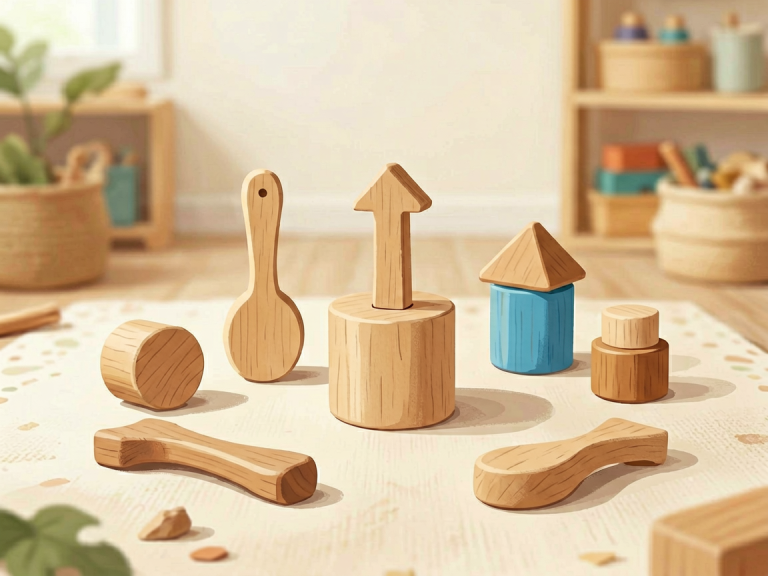
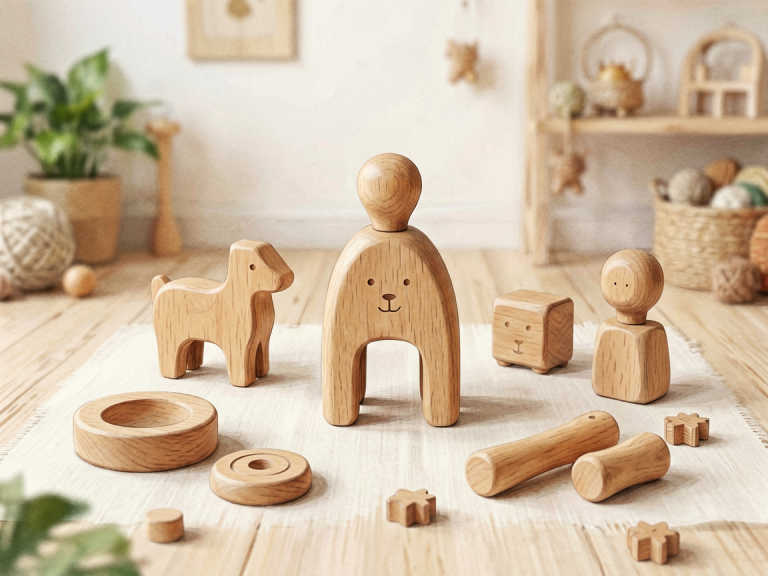
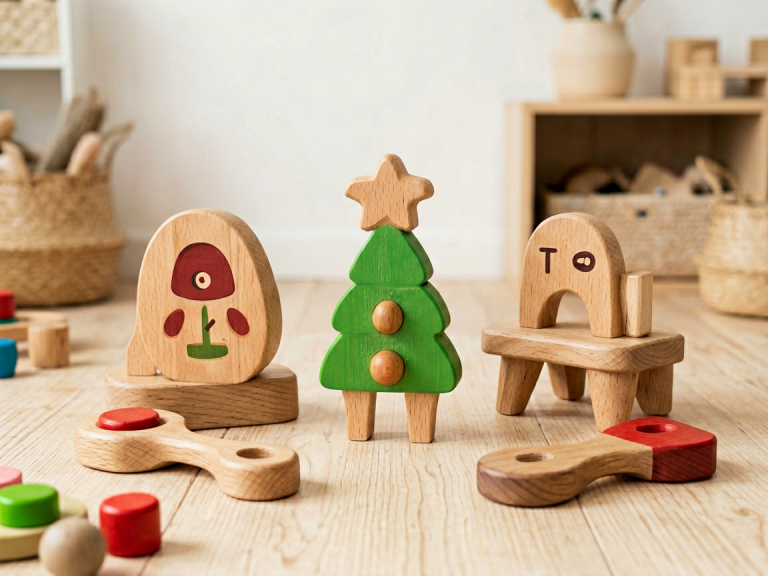
Reviews help filter out these duds. Parents who have bought the toy before will often describe how long their child played with it, whether it held their attention, and whether it required constant adult supervision. For a three-year-old, toys that are overly complicated or that have too many pieces can become overwhelming. Reviews can guide a parent toward simpler, more open-ended toys—like wooden blocks, chunky puzzles, or play dough sets—that stimulate creativity without causing meltdowns.
The Social Pressure and the “Perfect Gift” Fallacy
Another subtle but powerful reason parents skip reviews is the social pressure to appear thoughtful or spontaneous. In the age of fast e-commerce, we are conditioned to believe that any gift, chosen quickly, will be appreciated. But for a three-year-old, the “perfect gift” is rarely the one that is most expensive or most advertised. It is the one that aligns with their current interests, their attention span, and their developmental stage.
Reading reviews can feel like an admission of uncertainty. Yet, the opposite is true: taking the time to read what other parents have experienced is an act of humility and responsibility. It acknowledges that no single parent knows everything, and that the collective wisdom of the community is invaluable. In many online forums, parents even share tips on how to modify toys to make them safer or more engaging for three-year-olds. This collaborative knowledge cannot be found on the back of a box.
Exceptions and Counterarguments
Some might argue that childhood used to be less scrutinized, and that generations of children played with toys that were never reviewed. This is true, but the modern toy landscape is far more complex. Many toys today contain electronic components, tiny magnets, and chemical coatings that did not exist decades ago. The rise of online marketplaces has also introduced a flood of cheap, unbranded toys from overseas manufacturers that may not meet local safety standards. In this environment, reviews are not a luxury—they are a necessity.
Moreover, there is a difference between being overprotective and being informed. Checking reviews does not mean you cannot still buy the toy; it means you are making an educated choice. For example, a toy might have many negative reviews that are about packaging damage or delivery delays, while the toy itself is fine. Without reading, you might miss that nuance and miss out on a great product.
Practical Strategies for Smart Toy Shopping
To avoid the pitfalls of buying toys for three-year-olds without checking reviews, parents can adopt a few simple habits. First, before making any purchase, spend five minutes reading at least ten recent reviews from verified purchasers. Pay special attention to reviews that mention age appropriateness, durability, and safety. Look for photos of the actual toy in use.
Second, use a combination of review sources: Amazon, Walmart, Target, and independent sites like Common Sense Media, which rates toys based on developmental value. Also, consider YouTube unboxing videos, where parents often show the toy being assembled and used by a real toddler.
Third, resist the urge to buy on impulse. If you see a toy in a physical store, take a photo of the packaging and look it up on your phone. Many stores offer free Wi-Fi, and a quick search can save you from a costly mistake.
Finally, talk to other parents in your community. Word-of-mouth recommendations, especially from parents whose children are the same age or temperament, are often more reliable than anonymous reviews. But even then, cross-check with online feedback.
Conclusion: The Gift of Informed Parenting
Buying a toy for a three-year-old is an act of love. It is a way to say, “I see you, I care about your joy, and I want to help you grow.” But love, when unguided by knowledge, can lead to unintended consequences. The simple act of checking reviews transforms a reckless impulse into a thoughtful decision. It protects children from harm, saves families money, and ensures that playtime remains a source of delight rather than frustration.
In a world overflowing with choices, the most powerful tool a parent has is not a credit card but a smartphone connected to the collective experience of other caregivers. Next time you reach for that shiny box without a second thought, pause. Read a review. You might just find that the best toy is not the one that catches your eye, but the one that has already proven itself in the hands of another three-year-old. The few minutes you invest in checking reviews could be the difference between a toy that is played with for years and one that is forgotten before the batteries run out.