Navigating the Playroom: A Guide to Following Toy Trends for 5-Year-Olds
Introduction: The Whirlwind of Growing Up
At the age of five, a child stands at a remarkable crossroads. They have emerged from the toddler years, with their boundless exploration and sensory play, and are stepping into a world of more structured learning, social interaction, and imaginative storytelling. The toys that capture their attention during this pivotal year are not merely objects of amusement; they are tools for cognitive development, emotional regulation, and social bonding. For parents, caregivers, and educators, following toy trends for 5-year-olds can feel like a daunting task—a constant chase after the next viral sensation, the latest STEM kit, or the character-driven merchandise that dominates every holiday wish list. Yet, understanding these trends is not about blind consumerism. It is about recognizing which playthings genuinely support a five-year-old’s unique developmental needs, while also respecting their burgeoning individuality. This article offers a thorough exploration of the key toy trends for this age group, grounded in child development research and practical parenting wisdom.
The Rise of STEAM-Focused Play
One of the most significant and enduring trends in toys for 5-year-olds is the integration of Science, Technology, Engineering, Arts, and Mathematics (STEAM). Unlike the more rigid “educational” toys of past decades, today’s STEAM kits are designed to be hands-on, playful, and failure-friendly. For a five-year-old, this often means building simple circuits with snap-together blocks, experimenting with non-toxic slime and putty that teaches cause and effect, or using age-appropriate coding robots that respond to sequencing commands.
Why It Matters. At five, children are in what psychologist Jean Piaget called the preoperational stage, where symbolic thinking and curiosity about “how things work” explode. STEAM toys channel this innate curiosity into structured discovery. For example, a magnetic building set allows a child to construct bridges and towers, learning about balance and gravity long before they encounter a physics textbook. Similarly, a simple microscope designed for little hands can turn a backyard leaf into a universe of veins and cells. The trend is less about pushing academic content and more about fostering a mindset of experimentation. Parents should look for toys that encourage open-ended outcomes—no single “right answer”—because that is where a five-year-old’s creativity and problem-solving skills truly flourish.
The Enduring Allure of Imaginative Role Play
Despite the digital revolution, the old-fashioned appeal of dress-up costumes, play kitchens, and doctor’s kits remains a dominant trend for five-year-olds. At this age, children are deeply engaged in sociodramatic play, where they take on roles and reenact scenes from their daily lives or media they consume. Toy trends for 5-year-olds now reflect a more inclusive and diverse representation of professions, cultures, and family structures.
Why It Matters. Role-playing is the laboratory of social and emotional intelligence. When a five-year-old pretends to be a veterinarian treating a stuffed animal, they practice empathy, language skills, and narrative sequencing. Current trends push for authentic props—realistic stethoscopes, eco-friendly wooden food, and costumes that celebrate a wide range of careers, from astronaut to archaeologist. Moreover, there is a growing movement toward “open-ended” role-play sets that lack a prescribed story, allowing children to invent their own narratives. For instance, a simple set of wooden blocks and fabric scraps can become a castle, a spaceship, or a grocery store, depending on the child’s mood. The key for parents is to resist the urge to buy hyper-specific, character-branded playsets for every movie release; instead, invest in a few high-quality, versatile pieces that spark imagination across many scenarios.
The Quiet Shift Toward Calm Toys
In an increasingly overstimulated world, a counter-trend has emerged: calm-down toys and sensory regulation tools designed specifically for five-year-olds. These include weighted lap pads, fidget spinners with gentle textures, gravity mazes, and “calm-down jars” (water and glitter in a sealed bottle to shake and watch settle). While these items were once associated with children with sensory processing differences, they have entered the mainstream as parents recognize the value of self-regulation skills.
Why It Matters. The five-year-old brain is still learning to manage big emotions like frustration, jealousy, and excitement. Calm toys provide a constructive outlet for this emotional energy. For example, a “pop-it” fidget (a reusable silicone bubble wrap-like toy) offers a satisfying tactile and auditory input that can help a child refocus after a tantrum or during a transition (e.g., getting ready for bed). The trend is not about medicating boredom, but about giving children tools to soothe themselves. Another popular category is “loose parts” play—collections of natural objects like smooth stones, pine cones, and wooden rings, which children can arrange and rearrange. This type of play is inherently calming because it has no goal, no time pressure, and no screen. When choosing calm toys, parents should prioritize durability, non-toxic materials, and simplicity—avoiding toys with flashing lights or loud sounds that defeat the purpose.
Tech Toys with Purpose and Limits
Screen-based and app-connected toys remain a strong trend for five-year-olds, but the landscape is shifting from passive consumption to active creation. Subscription boxes that deliver new activities each month, digital drawing tablets that mimic paper, and interactive storybooks that adapt to a child’s choices are all part of this category. However, the most thoughtful trends emphasize that technology should be a tool, not a babysitter.
Why It Matters. Five-year-olds are digital natives, and banning screens entirely is often impractical and counterproductive. Instead, the trend is toward “co-play” technology—toys that require a parent or sibling to participate. For example, a coding caterpillar that lights up and moves based on a sequence of buttons is more engaging when two children take turns programming its path. Similarly, a children’s camera (rugged and low-resolution) encourages a child to document their world, then print or share the photos with family. The American Academy of Pediatrics recommends no more than one hour of high-quality screen time per day for this age group, and toy trends increasingly reflect this limit by making the digital experience short, tactile, and collaborative. Parents should look for toys that close the loop between the digital and physical worlds, such as a drawing app that prints the child’s creation onto fabric for a pillow.
Social-Emotional Learning (SEL) and Cooperative Games
While competitive board games like Candy Land have been classics for decades, a newer trend is cooperative games where all players work together toward a common goal. These games, such as “Hoot Owl Hoot!” or “The Sneaky, Snacky Squirrel,” teach turn-taking, teamwork, and handling disappointment without the traditional “winner/loser” dynamic. Additionally, toys that explicitly teach emotional vocabulary—like plush toys with interchangeable faces showing different emotions, or storytelling cards that prompt discussions about feelings—are gaining traction.
Why It Matters. At five, children are entering kindergarten or preschool, where social dynamics become complex. Cooperative play reduces anxiety and fosters a sense of community. When a child plays a cooperative game, they learn to listen to others, share strategies, and celebrate a shared victory. These skills are foundational for long-term academic and personal success. Parents should seek out games that are simple enough to understand in one sitting but offer enough variation to remain interesting. Many of these games also incorporate fine motor skills, such as placing a small token with tweezers, which strengthens hand muscles needed for writing.
Sustainability and the Return of Timeless Materials
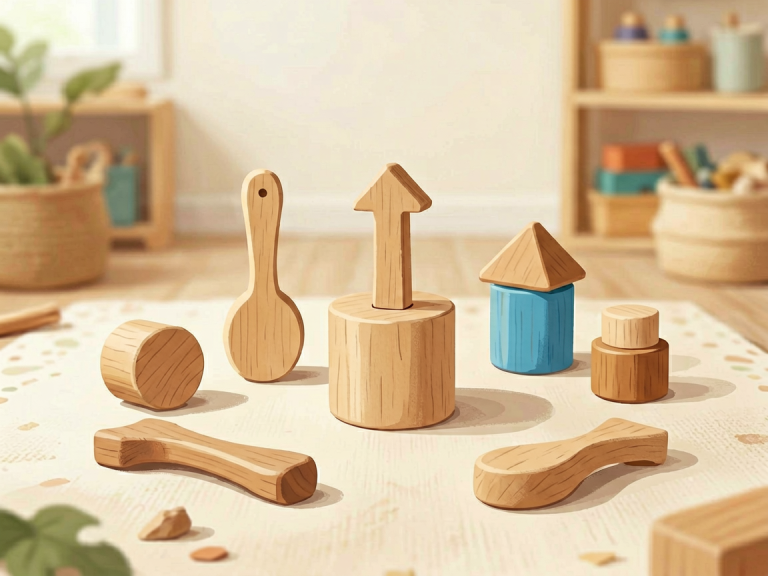
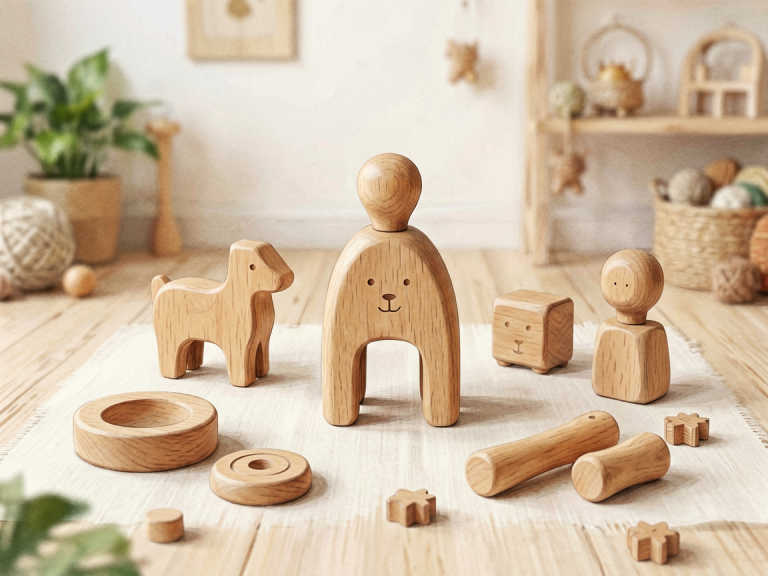
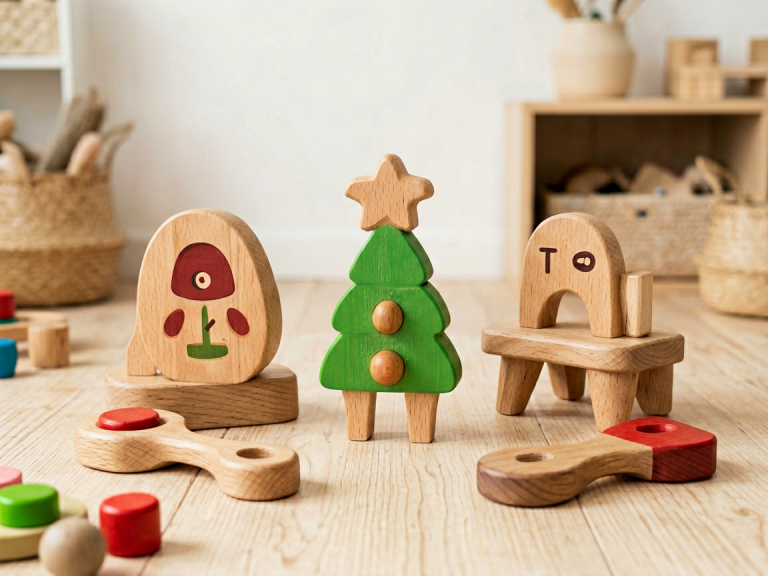
Finally, a macro-trend that cannot be ignored is the move toward sustainable, eco-friendly toys. Parents of five-year-olds are increasingly conscious of plastic waste, chemical dyes, and the short lifespan of cheap toys. As a result, wooden toys, organic cotton dolls, and recycled plastic building sets are not just a niche market; they are becoming mainstream. Brands now advertise “plastic-free” packaging and “heirloom quality” toys that can be passed down.
Why It Matters. This trend aligns beautifully with the developmental needs of a five-year-old. Wooden blocks, for instance, are heavier and more grounded than plastic, providing better sensory feedback. They also require more intentional stacking, which challenges balance and spatial reasoning. Moreover, teaching a child to care for their toys—to repair a broken cardboard castle rather than toss it—instills values of responsibility and environmental stewardship. For parents, the challenge is balancing sustainability with budget constraints. The trick is to buy fewer, better toys. Instead of a dozen cheap plastic action figures, invest in one high-quality wooden dollhouse with movable parts that can be reconfigured endlessly.
Conclusion: Following Trends with an Informed Heart
Following toy trends for 5-year-olds does not mean chasing every fad that flashes across social media feeds. It means understanding the developmental stage of the child—their need for both challenge and comfort, for social connection and solitary exploration. The most successful toys of this age group are those that grow with the child, that invite creativity without overwhelming, and that connect the child to the people and world around them. Whether it is a STEAM kit that sparks a future engineer, a calm-down jar that soothes a worried heart, or a cooperative game that teaches the joy of shared success, the best trend is always the one that meets the child where they are. So, as you walk the aisles of the toy store or scroll through online recommendations, remember this: the toy is a prop. The real magic is in the child’s hands, their imagination, and the love with which the play is shared.