The Hidden Hazards of Growing Up: Understanding Toy Recalls for 12-Year-Olds
Introduction
When we think about toy safety, our minds often jump to choking hazards for toddlers or sharp edges on preschool building blocks. Yet the world of toys for older children—specifically those designed for 12-year-olds—presents a surprisingly complex landscape of recalls that are frequently overlooked by parents, educators, and even regulators. At twelve, children are no longer little kids but not yet teenagers; they seek more sophisticated playthings: electronic gadgets, chemistry sets, remote-controlled drones, collectible figurines with batteries, and STEM kits packed with small magnets or chemicals. This transitional age brings a unique set of risks, and toy recalls in this category have been rising in recent years. Understanding why these recalls happen, what products are most affected, and how to navigate the market safely is essential for anyone responsible for a 12-year-old’s wellbeing. This article delves into the key reasons behind toy recalls for this age group, examines notable cases, and offers practical guidance for making informed choices.
The Unique Vulnerabilities of Toys for 12-Year-Olds
Unlike toys for infants or preschoolers, which are strictly regulated for small parts and toxic materials, toys marketed to 12-year-olds often fall into a regulatory grey area. Children at this age have greater cognitive and motor skills, so manufacturers assume they can handle more complex components—lithium-ion batteries, adhesive chemicals, sharp tools for model-building, or powerful magnets. However, this assumption can be dangerous. Twelve-year-olds are still developing impulse control, risk assessment, and fine-motor precision. A chemistry set with concentrated acids, a drone with spinning blades, or a building kit with hundreds of tiny neodymium magnets can cause serious injuries if mishandled.
Moreover, the marketing appeal for this age group often emphasizes realism, speed, or “adult-like” functionality. For example, a toy drone designed for ages 12+ might have a camera, GPS, and high-speed motors that can inflict cuts or eye injuries. A remote-controlled car with a powerful battery can overheat and cause burns. The push to create products that mimic adult technology—often at lower cost—means safety testing may lag behind.
Major Causes of Recalls: Batteries, Magnets, and Chemicals
*Battery-Related Hazards*
One of the most frequent reasons for toy recalls among 12-year-olds involves lithium-ion batteries. Many electronic toys—tablets for kids, handheld gaming devices, robotic kits, and even talking dolls with rechargeable pouches—use these batteries. Recalls have been issued for overheating, swelling, leaking, or catching fire. In 2023, the U.S. Consumer Product Safety Commission (CPSC) recalled over 200,000 units of a popular “build-your-own drone” kit for 12-year-olds because the battery pack could ignite during charging. The injuries included smoke inhalation and minor burns to hands and faces. The problem is exacerbated by the fact that 12-year-olds often charge their own devices independently, possibly leaving a toy plugged in overnight or using a non-compatible charger.
*Magnet Ingestion and Inhalation*
Another critical hazard is the presence of high-powered rare-earth magnets in construction sets, magnetic balls, and educational toys. When two or more magnets are swallowed, they can attract each other through intestinal walls, causing perforations, blockages, or fatal sepsis. The CPSC has repeatedly issued warnings about “adult desk toys” that become popular with 12-year-olds, such as Buckyballs or magnetic building cubes. In recent years, several recalls targeted magnetic toys labeled for ages 12+, with some incidents involving children who mistakenly thought the magnets were candy. The difficulty of detection—these injuries often require emergency surgery—makes this a silent danger.
*Chemical and Toxic Substance Risks*
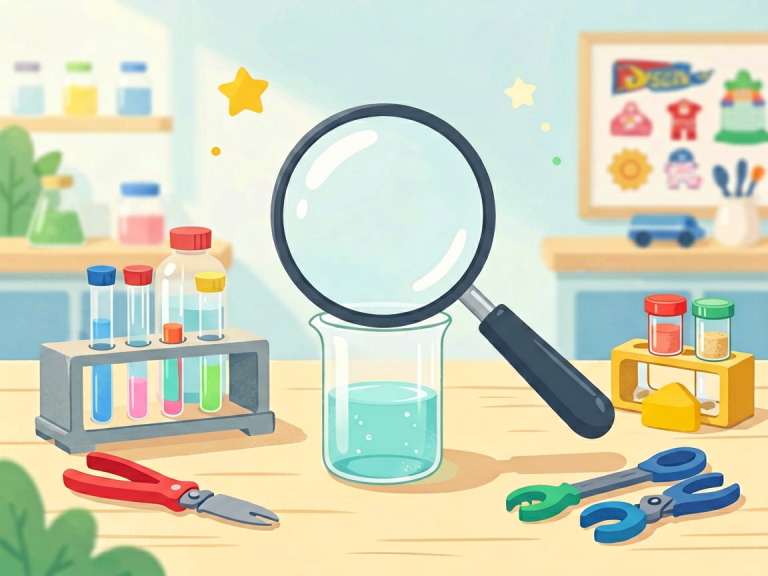
STEM and craft kits for 12-year-olds often contain chemical reagents, glues, pigments, or solvents. Recalls have occurred when these substances fail to meet safety thresholds for lead, phthalates, or other toxins. For instance, a popular “crystal growing” kit was recalled after tests revealed that the colored powder contained high levels of lead—a neurotoxin especially harmful to growing adolescents. Another recall involved a realistic “crime scene investigation” kit that included small vials of fake blood and chemicals that could cause skin irritation or eye damage if spilled. The labeling may claim “non-toxic,” but without independent third-party testing, parents cannot be certain.
Notable Recalls and Case Studies
To illustrate the scope and severity of toy recalls for 12-year-olds, consider the following real-world examples:
Case 1: The Hoverboard Epidemic (2016-2018)
Though not exclusively for 12-year-olds, hoverboards became a craze among tweens and young teens. Many models sold for ages 12+ caught fire due to defective lithium-ion batteries. Over half a million units were recalled globally. The incidents included houses burning down and children suffering second-degree burns. The recall highlighted a gap: many hoverboards were sold on third-party marketplaces without proper safety certification.
Case 2: Magnetic Building Tiles (2020-2022)
A set of magnetic tiles marketed to “ages 12+” was recalled after a 13-year-old swallowed two magnets and required emergency abdominal surgery. The product had powerful neodymium magnets that were not fully enclosed; even a small crack allowed magnets to fall out. The manufacturer had ignored industry standards that require magnets to be embedded securely.
Case 3: Chemistry Kit with Mercury (2021)
A vintage-style chemistry set intended for 12-year-olds was found to contain a small vial of mercury, a potent neurotoxin. The CPSC recalled the product after a child broke the vial and spilled mercury on a carpet, requiring costly hazardous material cleanup. The kit was sold as “educational” despite violating modern safety regulations.
Regulatory Challenges and Global Variations
The regulatory environment for toys for 12-year-olds varies significantly by country. In the United States, the CPSC enforces the Children’s Toy Safety Act, but products intended for children ages 12 and up are sometimes exempt from third-party testing for small parts, as regulators assume older children are less likely to mouth objects. This assumption is flawed: 12-year-olds may still put small items in their mouths, especially if they are autistic or developmentally delayed. In Europe, the CE marking is mandatory, but enforcement is spotty for products sold online from overseas.
Another challenge is the rapid growth of direct-to-consumer e-commerce. Many recalls stem from toys sold on platforms like Amazon, eBay, or Alibaba that are shipped directly to consumers. These products often bypass domestic inspection. The CPSC has struggled to keep pace, issuing recalls only after injuries are reported. Parents cannot rely solely on regulatory oversight; they must become proactive consumers.
Impact on Children and Families
The consequences of a toy recall go beyond a simple refund. Families may face medical emergencies, psychological trauma, or financial loss. A 12-year-old who swallows a magnet may need weeks of hospital recovery. A battery fire can destroy a home and displace a family. Even a non-life-threatening recall—such as a chemical skin rash—can erode a child’s trust in play and learning.
Moreover, the economic impact on parents is significant. Many recalls occur months after purchase, and by then the product may be discarded or the packaging lost. Refunds are often limited or nonexistent for items bought secondhand. Low-income families are disproportionately affected because they often purchase cheaper, unregulated toys from discount stores or online marketplaces.
How to Choose Safe Toys for 12-Year-Olds: A Practical Guide
Given the prevalence of recalls, parents and gift-givers need a strategy for selecting safe toys for this age group. Here are key steps:
- Check Recall Lists Regularly
Use official databases like the CPSC’s recall list (cpsc.gov/recalls) or the European RAPEX system. Search for the specific toy name and model number before buying, and sign up for alerts.
- Avoid Unknown Brands on Unreliable Platforms
Stick to established toy manufacturers that have robust quality control systems (e.g., Lego, Mattel, Hasbro, Ravensburger). Be wary of generic Chinese brands sold on TikTok Shop or Wish—they are frequent sources of recalls.
- Read Labels Carefully, But Don’t Trust Them Blindly
Look for marks like ASTM F963 (US standard) or EN71 (European standard). Beware of vague claims like “non-toxic” without certification. If a chemistry kit includes chemicals you cannot identify, research the Safety Data Sheet.
- Assess Battery Safety
For any electronic toy, check if the battery is removable, rechargeable, and UL-certified (Underwriters Laboratories). Avoid toys with exposed battery compartments. Teach your 12-year-old to charge devices on a non-flammable surface and never leave them unattended.
- Test for Magnets
If a toy contains small, strong magnets, verify that they are securely enclosed. Squeeze the product to see if magnets can come loose. The rule: if a magnet fits inside a toilet paper tube (a test for small parts), it is a choking hazard for any child.
- Consider the Child’s Maturity Level
Age labels are a guideline, not a guarantee. A sophisticated 12-year-old might handle a drone safely, while a more impulsive child might not. Supervise the first few uses, especially for kits with chemicals, blades, or projectiles.
Conclusion
Toy recalls for 12-year-olds are not a niche issue—they reflect a systemic failure in the design, regulation, and distribution of products intended to entertain and educate older children. As tweens navigate the line between childhood and adolescence, the toys they use should nurture curiosity, not endanger their health. By understanding the unique risks—batteries, magnets, chemicals—and by adopting a vigilant approach to purchasing, parents and guardians can significantly reduce the chance of a recall affecting their family. The toy industry must also step up: clearer labeling, more rigorous testing, and a willingness to prioritize safety over novelty. In the end, the best toy for a 12-year-old is one that inspires creativity without compromising safety. Remember: a recalled toy is not just a defective product—it is a lost opportunity for safe, joyful play.