How to Manage Safe Toy Shopping: A Parent’s Guide to Smart and Secure Choices
—
Introduction
Toy shopping is one of the most joyful activities for parents and caregivers, but it also carries hidden responsibilities. Every year, thousands of children are injured by toys that are poorly designed, contain hazardous materials, or are used in inappropriate ways. To ensure that playtime remains both fun and safe, adults need to approach toy purchasing with knowledge and caution. This article provides a comprehensive, step-by-step guide on how to manage safe toy shopping, covering everything from understanding safety standards to choosing age-appropriate items and avoiding common pitfalls.
—
Understand Toy Safety Standards and Regulations
Before you even step into a store or browse an online marketplace, it is essential to know which safety standards your country or region enforces. In the United States, for instance, the Consumer Product Safety Commission (CPSC) sets strict rules for toys, including limits on lead, phthalates, and sharp edges. The ASTM F963 standard is a key voluntary safety specification that many reputable manufacturers follow. In the European Union, toys must carry the CE mark, indicating compliance with the EU Toy Safety Directive. When shopping internationally, look for these certifications on the packaging. Familiarizing yourself with these markers can quickly help you weed out unsafe or counterfeit products.
—
Choose Age-Appropriate Toys
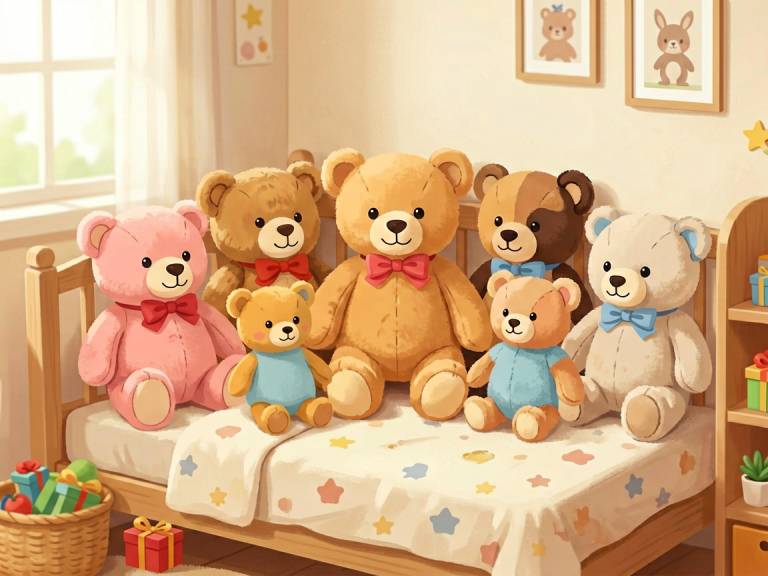
One of the most common mistakes in toy shopping is buying a toy that is too advanced—or too simple—for a child’s developmental stage. Age labels are not merely suggestions; they are based on rigorous testing for choking hazards, cognitive demands, and motor skills. For infants under one year, avoid toys with small detachable parts, long cords, or anything that could be chewed into small pieces. Toddlers aged 1–3 benefit from sturdy, large-piece puzzles, push-pull toys, and soft dolls without button eyes. For preschoolers, look for toys that encourage imaginative play but still avoid projectiles or sharp points. School-aged children can handle more complex sets, but always check for hidden magnets, lithium batteries, or small components that could be swallowed. Remember: a toy that is “too babyish” can be frustrating, but one that is too advanced can be dangerous.
—
Inspect Materials and Construction
A safe toy begins with safe materials. Plastic toys should be BPA-free, PVC-free, and phthalate-free. Wooden toys should be made from untreated or non-toxic painted wood, with no splinters or rough edges. Fabric toys should be flame-retardant and machine-washable, with seams that won’t tear easily. Before purchasing, run your fingers over the entire surface of the toy. Are there any burrs, sharp points, or loose parts? Squeeze stuffed animals to ensure that the stuffing cannot escape through weak stitching. For battery-operated toys, the battery compartment must be secured with a screw—not just a sliding door—to prevent children from accessing the batteries. Also, avoid toys that make extremely loud noises, as sounds over 85 decibels can damage young ears.
—
Beware of Hidden Hazards: Magnets, Batteries, and Cords
Some of the most dangerous toy-related injuries come from hidden components. Powerful rare-earth magnets, often found in building sets or fidget toys, can cause severe internal injuries if swallowed, because they attract each other through intestinal walls. Never buy toys with loose magnets for children under 14 unless they are securely encased. Similarly, button batteries—the small, coin-shaped cells used in many electronic toys—are a leading cause of choking and chemical burns. Ensure any electronic toy has a screw-secured battery cover. Other hidden hazards include long cords or ribbons (strangulation risk for babies), projectiles (eye injuries), and inflatable toys that can deflate and cause suffocation. Always read the warning labels on the back of the package, even if the front looks harmless.
—
Shop from Reputable Sources and Avoid Counterfeits
The rise of online marketplaces has made it easier to find deals, but also easier to buy counterfeit or uncertified toys. These fakes often use cheap, toxic materials and skip safety testing. When shopping online, buy directly from the manufacturer’s website or from well-known retailers with strict return policies. Check customer reviews for photos of the actual product and reports of breakage or odor. If a price seems too good to be true, it probably is. In physical stores, examine the packaging for spelling errors, blurry logos, or missing safety marks—these are red flags. Also, avoid buying used toys unless you can thoroughly clean and inspect them; older toys may contain lead paint or violate current safety standards.
—
Read Labels and Look for Safety Certifications
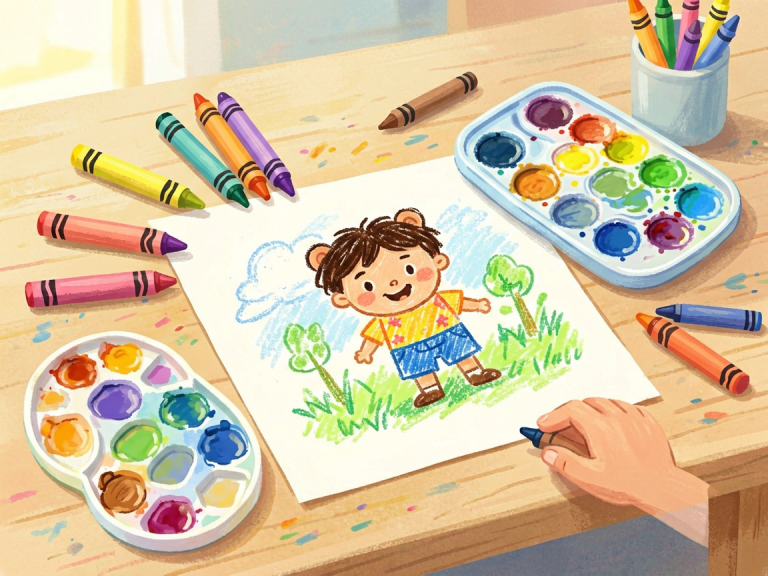
Every safe toy should have clear labeling. Look for the manufacturer’s name and contact information, the country of origin, and the intended age range. Additional certifications vary by region: in the U.S., look for “CPSC” or “ASTM F963”; in Europe, “CE” and “EN71”; in Canada, “CSA” or “Health Canada approval.” For toys that involve art materials, look for the “AP” (Approved Product) seal from the Art & Creative Materials Institute, which indicates non-toxicity. Don’t rely solely on a single sticker, however—cross-check the product online through official recall databases (like cpsc.gov). Many manufacturers also list safety information on their websites, including test reports for heavy metals and physical durability.
—
Stay Informed About Recalls and Safety Alerts
Safe toy shopping doesn’t end at the checkout counter. You must also stay updated on product recalls. Sign up for email alerts from consumer protection agencies, follow pediatric safety organizations on social media, and bookmark recall databases. When you hear about a recall, check the specific model number and manufacturing date on the toy you own. Even if a toy passed all tests when it was produced, manufacturing defects or new safety research can lead to later recalls. Additionally, teach your children the basics of toy safety: not to put toys in their mouths, to tell an adult if a toy breaks, and to keep small parts away from younger siblings. Regular inspections of the toy box—looking for cracks, loose screws, or fading paint—can prevent accidents before they happen.
—
Final Practical Tips for Safe Toy Shopping
To wrap up, here are a few practical habits to adopt:
- Make a list before you shop. This reduces impulse buying of unsafe or unnecessary items.
- Buy fewer, higher-quality toys rather than a pile of cheap, questionable ones.
- Consider the “toilet paper tube test.” If any part of the toy can fit entirely inside a standard toilet paper roll, it is a choking hazard for children under three.
- Check for non-toxic labeling on arts and crafts supplies, including crayons, paints, and glues.
- Avoid toys that require button batteries unless you are confident the compartment is screw-secured.
- Set ground rules for gifts. If friends or relatives want to buy toys for your child, politely guide them toward specific safe brands or age ranges.
Ultimately, safe toy shopping is a blend of knowledge, vigilance, and intentionality. By understanding safety standards, choosing age-appropriate items, inspecting materials, and avoiding counterfeits, you can create a play environment that sparks joy without compromising health. Remember: the best toy is one that a child can explore freely and safely—because real play begins with peace of mind.