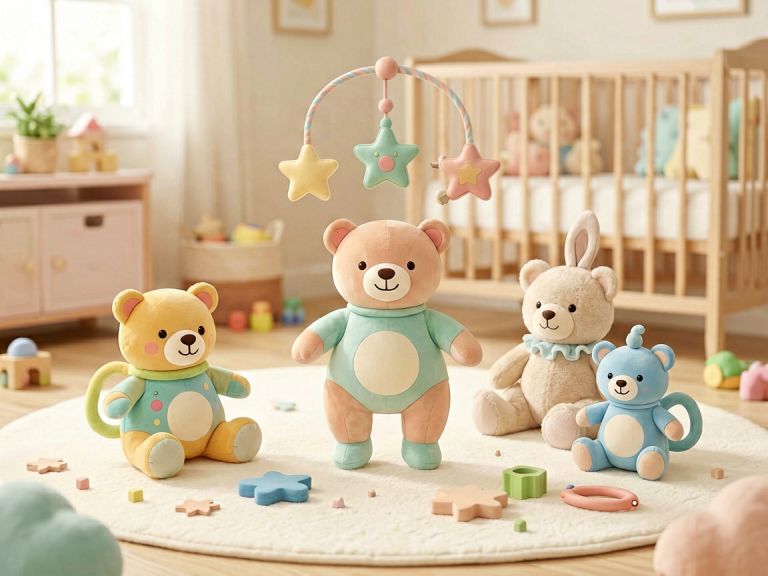
Introduction
Title: The Perils of Purchasing Playthings: Why Buying Toys for Two-Year-Olds Without Checking Reviews Is a Costly Mistake
Every parent knows the joy of watching a toddler’s face light up at the sight of a new toy. The bright colors, the promise of laughter, and the hope of hours of quiet play can be irresistible. Yet in the rush to satisfy a two-year-old’s fleeting desire, many caregivers make a critical error: they grab a toy off the shelf or click “buy now” without a single glance at customer reviews. This impulse buying, while convenient, can lead to a cascade of consequences ranging from physical danger to developmental setbacks. A two-year-old is at a unique stage of rapid growth—sensory exploration, motor skill development, and early problem-solving all hinge on the quality and safety of the objects they interact with. Skipping the review process is not merely a minor oversight; it is a gamble that no parent should take. This article explores the multifaceted reasons why purchasing toys for toddlers without consulting reviews is a decision fraught with risk, and why a few minutes of research can save both money and heartache.
Safety Hazards: The Hidden Dangers of Untested Toys
The most urgent concern when buying toys for a two-year-old is safety. At this age, children explore the world through their mouths, hands, and sheer physical determination. A toy that appears harmless in a store display may harbor hidden perils. Sharp edges, small detachable parts, toxic paints, and choking hazards are not always obvious to the untrained eye. Manufacturers are not universally meticulous; some cut corners to reduce costs. Customer reviews serve as an early warning system. For instance, dozens of parents may report that a supposedly “safe” wooden train set splinters within days, or that the paint on a plastic rattle flakes off into a toddler’s mouth. Without reading these experiences, a buyer may unknowingly bring home a product that has already injured other children.
Moreover, two-year-olds are notorious for their ability to bypass safety features. A toy advertised as “break-resistant” might still shatter into sharp pieces when thrown against a wall—a common toddler behavior. Reviews often detail real-world stress tests that laboratory inspections never simulate. A parent might write, “My daughter bit the corner of this teething ring, and a small piece broke off. She almost swallowed it.” Such firsthand accounts are invaluable. They reveal not just the toy’s fragility but also its specific failure modes. Ignoring these warnings is like driving without a seatbelt—you might be fine, but the odds are against you. The cost of a single emergency room visit far outweighs any savings from an unvetted purchase.
Developmental Mismatch: Age-Appropriate vs. Marketing Claims
Another critical dimension is developmental appropriateness. Toy packaging often boasts broad age ranges—“Ages 2 and up” is a common label—but this designation is frequently misleading. A two-year-old’s cognitive and motor abilities are vastly different from those of a three- or four-year-old. A toy designed for a three-year-old might frustrate a younger child with its complexity, while a toy aimed at infants might bore a curious two-year-old. Reviews from parents of similarly aged children can clarify whether a toy truly engages a toddler at the right level. For example, a puzzle with too many tiny pieces may overwhelm a two-year-old who is still mastering the pincer grasp. Conversely, a sensory toy that “grows with the child” might be too simplistic for a two-year-old who craves cause-and-effect challenges.
Furthermore, many toys marketed as “educational” fail to deliver on their promises. A flashy electronic toy that sings the alphabet might seem like a learning tool, but reviews often reveal that toddlers quickly lose interest after the novelty wears off—or worse, that the toy’s constant noise overstimulates them and hinders focused play. In contrast, open-ended toys like blocks or stacking cups, though simple, get rave reviews from parents who observe their toddlers using them creatively for months. Without checking reviews, a parent may fall for gimmicky features that sound good on paper but don’t support real developmental growth. The result is wasted money and a disappointed child who quickly discards the toy in favor of a cardboard box.
Quality and Durability: The Price of Impulse Buying
Two-year-olds are not gentle. They drop, throw, chew, and stomp on their toys with relentless enthusiasm. A toy that looks sturdy in a catalog may prove fragile after a single afternoon of play. Reviews are the most reliable source of information about long-term durability. A product might have a sleek design, but parents who have owned it for three months will report if the wheels fall off, the batteries corrode, or the fabric tears. Without this insight, a buyer is essentially guessing. The disappointment of a broken toy is not just financial; it also disrupts a toddler’s routine and can lead to frustration tantrums.
Moreover, cheap materials often hide behind attractive packaging. For example, a plastic dinosaur set might be sold at a discount store, but reviews may reveal that the plastic has a strong chemical smell that persists for weeks—a red flag for potential off-gassing of volatile organic compounds (VOCs). A two-year-old’s developing respiratory system is especially vulnerable. Similarly, stuffed animals labeled “machine washable” might disintegrate in the first wash cycle, as countless reviews attest. The time and effort spent returning defective products, or worse, dealing with a toddler’s allergic reaction, far exceed the few minutes it takes to scan reviews. In the long run, investing in well-reviewed, durable toys saves money because they last longer and can even be passed down to younger siblings.
The Emotional and Financial Costs of Regret
The act of buying a toy without checking reviews often stems from a desire for instant gratification—either the child’s or the parent’s own. Yet the aftermath can be emotionally draining. A two-year-old who falls in love with a poorly designed toy may experience repeated frustration when it doesn’t work as expected. For instance, a toy with a complex button sequence might cause a toddler to cry because they cannot activate it independently. The parent, meanwhile, feels guilt and annoyance. The toy becomes a source of household tension rather than joy. On top of that, the financial hit accumulates. A single uninformed purchase might not break the bank, but multiply that by dozens of toys over several months, and the waste becomes substantial. Many parents report that they eventually “donate” or trash a significant percentage of toys they bought on a whim—toys that ended up being ignored, broken, or disliked.
Reviews also help parents avoid niche problems that are hard to foresee. For example, some toys come with tiny magnets that can be accidentally swallowed, leading to life-threatening internal injuries. Others have noise levels that exceed safe decibel limits for toddlers’ sensitive ears. A parent who reads reviews might learn that a certain musical toy is painfully loud even on the lowest setting. Such information is rarely printed on the box. By skipping the review step, a parent trades convenience for potential harm. The emotional toll of a medical emergency or a child’s persistent fear of a noisy toy is immeasurable.
The Case for Due Diligence: How Reviews Protect Both Parent and Child
Given these risks, the practice of checking reviews should be non-negotiable for any responsible caregiver. Reviews are not just opinions; they are collective data points from real-world use. They provide a wealth of specific details: the toy’s weight, texture, ease of cleaning, battery life, and even the size of its parts relative to a toddler’s hand. A good review will mention if the toy is easy for a two-year-old to manipulate independently, or if it requires constant adult assistance. It will also flag gender or cultural stereotypes that might not align with a family’s values. Beyond safety and development, reviews can guide parents toward toys that foster creativity, social skills, and perseverance.
Modern technology makes this research simple. A quick scan of verified purchases on major retail sites, plus a look at dedicated parenting forums, can reveal patterns. For example, if multiple reviewers complain that a toy’s packaging is misleading—showing children playing with a complete set while the box contains only three pieces—the buyer can make an informed choice. Similarly, reviews often include photos of the toy in use, giving a realistic sense of scale. The time investment is minimal: five minutes of reading can prevent a week of regret. Moreover, checking reviews encourages mindful consumerism. Instead of buying impulsively, parents learn to prioritize toys that align with their child’s interests and developmental stage. This approach fosters a calmer, more intentional home environment where toys are cherished rather than discarded.
Conclusion
In a world of endless product options, the temptation to buy a toy for a two-year-old without checking reviews is understandable. It seems like a small, innocent shortcut. But the stakes are disproportionately high. From safety hazards and developmental mismatches to poor durability and emotional letdowns, the costs of skipping research far outweigh the momentary convenience. A two-year-old’s play is not just entertainment—it is the crucible of learning, bonding, and discovery. The toys we give them shape those experiences. By taking a few moments to read what other parents have discovered, we transform a gamble into a confident choice. The next time you reach for a colorful box or hit “add to cart,” pause. Open a review. Your toddler will thank you—with safe, joyful play that lasts.