Should I Buy Building Blocks for a 13-Year-Old? A Comprehensive Guide
When your child turns 13, the world of parenting becomes a delicate balance between nurturing their childhood and respecting their rapid march toward adolescence. You want to encourage fun, creativity, and learning, but you also wonder: *Is buying building blocks for a 13-year-old still a good idea* – or does it risk being seen as babyish, a relic of early childhood play? The honest answer is not a simple yes or no. It depends on the type of building blocks, the teenager’s personality, and your intentions. Below, we explore why building blocks can be an extraordinarily valuable gift for a 13-year-old, and also address the potential drawbacks, so you can make an informed decision.
The Surprising Cognitive and Developmental Benefits
Many people associate building blocks exclusively with toddlers and preschoolers. But the truth is that construction play evolves with age. For a 13-year-old, the right kind of building blocks can offer profound cognitive, emotional, and social benefits that go far beyond simple stacking.
Enhancing Spatial Reasoning and STEM Skills
Thirteen is a prime age for developing abstract thinking, logic, and problem-solving – all of which are at the core of STEM (Science, Technology, Engineering, and Mathematics) education. Building blocks that require following complex instructions, calculating angles, and understanding mechanical principles (such as gears, pulleys, or structural support) directly train the brain for engineering and architecture. For example, a LEGO Technic set with a working gearbox or a motorized crane forces the builder to think in three dimensions and grasp cause-and-effect relationships. Studies in developmental psychology have consistently shown that hands-on construction activities improve spatial visualization abilities – a skill strongly linked to success in math, physics, and even surgery. So, if you buy building blocks for your 13-year-old, you aren’t just buying a toy; you’re buying a mental gymnasium.
Fostering Patience, Focus, and Frustration Tolerance
Adolescence can be a time of emotional turbulence and shortened attention spans (thanks in part to screens and social media). Building a complex model – one that might take several hours or even days – teaches a teenager to slow down, concentrate, and persist through challenges. When a piece doesn’t fit, or a step is missed, the builder must step back, diagnose the error, and correct it. This process builds resilience and a “growth mindset.” Unlike many video games that offer instant rewards, building blocks require delayed gratification. The satisfaction of completing a 1,500-piece model is immense and teaches a teenager that hard work and patience pay off – a lesson that will serve them well in school and later life.
Providing a Healthy Offline Escape
The teenage years come with intense academic pressure, social anxiety, and screen fatigue. Building blocks offer a tangible, screen-free activity that can be deeply meditative. The repetitive, focused motion of snapping pieces together has a calming effect similar to knitting or solving a jigsaw puzzle. Many teenagers report that building with blocks helps them “clear their head” after a stressful day. Unlike passive entertainment (watching TV or scrolling social media), construction play is active and generative – the teenager creates something real with their own hands. This sense of accomplishment boosts self-esteem and provides a counterbalance to the often-virtual nature of modern adolescent life.
Addressing Common Concerns: Will a 13-Year-Old Think It’s “Babyish”?
This is the elephant in the room. At 13, social image is everything. The fear of looking childish can make any toy – no matter how educational – a social liability. However, the answer largely depends on the *type* of building blocks and the context.
The Key is Complexity and Theme
A basic bucket of Duplo blocks is indeed for 2-year-olds. A simple LEGO set with 50 pieces and a smiling fireman is also not age-appropriate for a teenager. But the modern building block market offers sophisticated products aimed squarely at teens and adults. The LEGO Creator Expert line includes detailed architecture sets (e.g., the Taj Mahal, the Eiffel Tower), LEGO Technic has massive vehicles with working engines (e.g., the Bugatti Chiron with over 3,500 pieces), and LEGO Icons features nostalgic themes like retro cameras or typewriters. There are also non-LEGO brands like Nanoblock (micro-sized bricks for detailed models), Meccano (metal construction sets with real tools), and even wooden block systems for creating intricate marble runs. If you choose a set that matches your teenager’s interests – robotics, cars, space, historical architecture, or even pop culture (e.g., LEGO Harry Potter or Star Wars UCS sets) – they are far more likely to embrace it. The cool factor comes from the complexity, not the simplicity.
Peer Perception and Shared Hobbies
You might worry that if a friend comes over, they’ll see a half-built spaceship on the table and tease your child. But here’s a modern twist: building blocks are now a mainstream hobby for many adults and older teenagers. YouTube is filled with teen and young adult “AFOLs” (Adult Fans of LEGO) who review sets, build on camera, and share tips. In fact, many 13-year-olds already follow these channels. If your child is interested in STEM, engineering, or design, building blocks can actually be a social asset – a conversation starter with like-minded peers. Some schools even have robotics clubs that use LEGO Mindstorms or SPIKE Prime, turning block building into a team activity. So rather than being “babyish,” the right building block system can be seen as a legitimate hobby and even a sign of a smart, creative mind.
How to Choose the Perfect Building Block Set for a 13-Year-Old
Not all building blocks are created equal. To maximize the chances that your gift will be enthusiastically received and used, consider the following criteria.
Age Recommendation and Piece Count
Ignore product boxes that say “8+” or “10+.” Look at the piece count and complexity. For a 13-year-old with average dexterity and patience, aim for sets between 600 and 2,000 pieces. Sets that require building from multiple numbered bags over several sessions are ideal. If your child is particularly advanced or has experience with LEGO, you can go even higher (e.g., the LEGO Titanic at 9,090 pieces, but beware – that is a multi-day commitment). Avoid too-simple sets (under 300 pieces) as they will be finished in 20 minutes and feel underwhelming.
Match Interests
- Cars and mechanics: LEGO Technic (e.g., Lamborghini Sián, heavy-duty tow truck)
- Space and science: LEGO NASA sets (Saturn V, Space Shuttle Discovery)
- Art and design: LEGO Art mosaic sets, or Nanoblock landmark models
- Robotics and coding: LEGO Mindstorms Robot Inventor or SPIKE Prime
- Gaming and pop culture: LEGO Minecraft, Super Mario, or Harry Potter large-scale models
- Historical architecture: LEGO Architecture skyline sets (New York, Paris, Tokyo)
Consider Co-Building or Group Activity
One way to make building blocks more appealing is to frame it as a shared activity. Offer to build the set *with* your child over a weekend. This turns it into quality bonding time, not just another gift. Many 13-year-olds secretly enjoy one-on-one time with a parent, even if they don’t admit it. You can also invite a friend over for a build-a-thon – two sets purchased, and a friendly race to finish.
Budget and Longevity
Quality building block sets (especially licensed LEGO) can be expensive. But they hold their value incredibly well; used sets often sell for near retail price on the secondary market. Consider buying a larger, more expensive set as a combined birthday and holiday gift. Alternatively, start with a medium-sized set and, if your child enjoys it, invest in expansion packs or a subscription box like “LEGO BrickHeadz” or “KiwiCo Crate.” The goal is to spark a sustainable hobby, not just a one-time play.
Potential Drawbacks and How to Mitigate Them
No recommendation is complete without acknowledging the cons. Let’s look at possible issues and solutions.
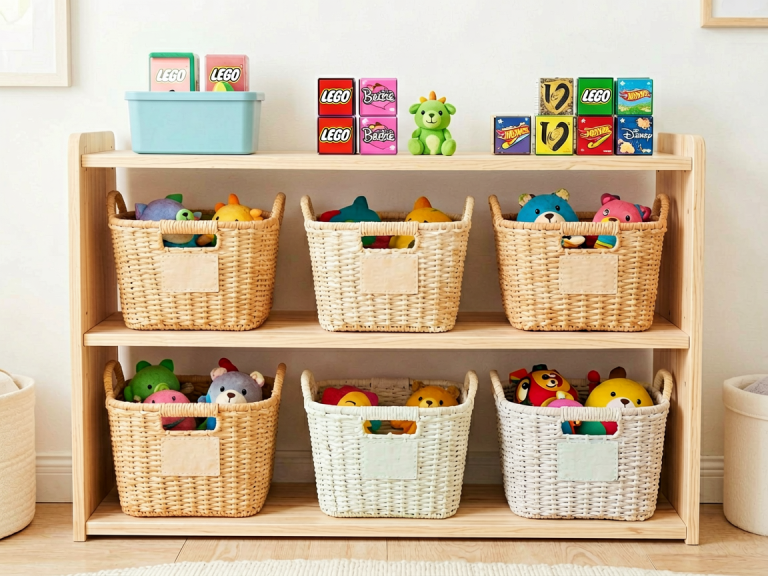
- Mess and storage: Building blocks create a lot of small pieces that can get lost under couches. Solution: Buy a dedicated storage bin or a roll-up mat. Set ground rules – the build area is the dining table (cleared after dinner) or a desk.
- Screen competition: Your teenager may prefer a game console. Solution: Don’t force it. Leave the set unopened in their room. Sometimes the appeal grows when they see it every day. You can also try a set that connects to an app (like LEGO Hidden Side or LEGO Control+) which blends physical building with a digital game.
- Abandonment: They might start but not finish. This is okay! Partial builds are still educational. However, if it becomes a pattern, set a small reward for completion (e.g., a special outing to see a movie after finishing the model).
- Perception of age-inappropriateness: If your child explicitly says “I’m too old for this,” don’t argue. Propose a compromise: a more “adult” set like a mechanical clock model or a functional safe. You can also donate the set to a younger cousin or a local school, and instead offer a subscription to a science kit or a 3D pen, which shares similar benefits.
Conclusion: The Verdict
Should you buy building blocks for a 13-year-old? Yes – but choose wisely. Avoid the mistake of picking a set designed for a 5-8-year-old. Instead, select a complex, interest-driven construction kit that challenges their intelligence and rewards their patience. Building blocks at this age are not about “playing with toys”; they are about engineering, design, focus, and creative expression. They offer a rare opportunity for a teenager to step away from screens, create something tangible, and feel a genuine sense of accomplishment. In a world that often pushes kids to grow up too fast, giving a 13-year-old a sophisticated set of building blocks can be a powerful message: “I respect your growing mind, and I want you to keep building – literally and figuratively.” Whether for a birthday, holiday, or just because, the right building block set can be one of the most thoughtful and impactful gifts you ever give.