The Hidden Dangers of Slime: Understanding Ingredient Risks in Childrens Toys
Introduction: The Sticky Problem with Slime
In recent years, slime has become one of the most popular toys among children worldwide. From its satisfying squishy texture to its bright colors and endless possibilities for DIY creativity, slime offers hours of tactile fun. However, beneath the glossy surface lies a growing concern for parents, educators, and health professionals: the chemical ingredients used in many slime products and homemade recipes may pose significant health risks to children. As slime consumption skyrocketed—driven by YouTube videos, TikTok trends, and school craft projects—so did reports of allergic reactions, skin burns, and even poisoning. This article examines the specific ingredients found in children's slime toys, the scientific evidence behind their risks, and practical steps to keep children safe while still enjoying this popular pastime.
What Is Slime Made Of? Common Ingredients and Their Functions
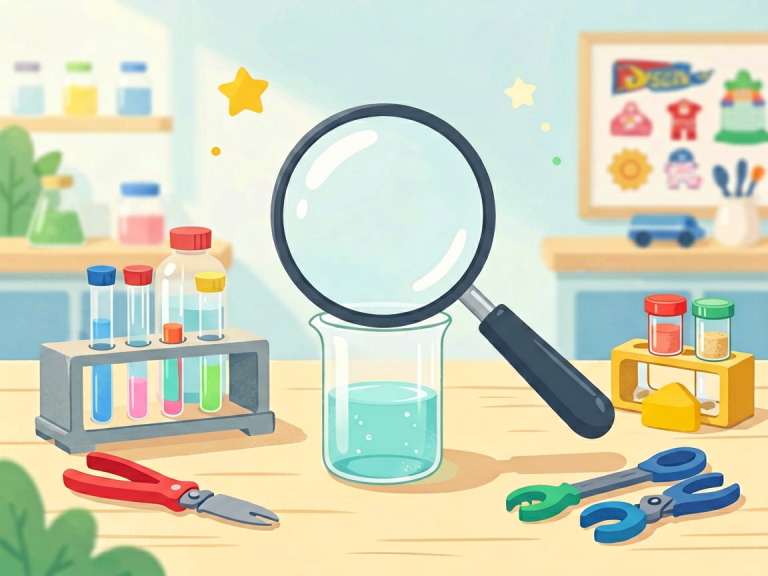
To understand the risks, we must first look at what goes into slime. Commercial slime and homemade recipes typically share a few core components:
- Polyvinyl alcohol (PVA) glue: Often white school glue or clear craft glue, this provides the base polymer.
- Borax (sodium tetraborate) or boric acid: These act as cross-linking agents that turn the liquid glue into a viscoelastic solid.
- Water: The solvent that allows the polymer chains to move.
- Colorants, glitters, and fragrances: Added for visual and olfactory appeal.
- Preservatives: To prevent mold and bacterial growth, especially in water-based slime.
While these ingredients seem harmless at first glance, the cross-linking agents—particularly boron compounds—are where the most serious concerns lie.
The Primary Risk: Boron Exposure from Borax and Boric Acid
Borax, or sodium tetraborate decahydrate, has been used for decades as a laundry booster and insecticide. In slime, it reacts with the glue to create the stretchy, non-Newtonian fluid that kids love. However, the European Chemicals Agency (ECHA) has classified boric acid and borates as substances of "high concern" because they are reproductive toxicants. Ingesting even small amounts can cause acute poisoning symptoms such as nausea, vomiting, abdominal pain, and diarrhea. Chronic exposure, especially through repeated skin contact or accidental ingestion, may lead to developmental effects.
Children are uniquely vulnerable. Their hand-to-mouth behavior—touching slime and then eating snacks, or putting fingers in their mouths—creates a ready route for ingestion. Moreover, their smaller body weight means the toxic threshold is much lower. A 2018 study by the Danish Environmental Protection Agency found that several slime products contained boron levels exceeding the safe limit of 300 mg/kg for toys, with some reaching as high as 3,000 mg/kg. In the European Union, toys must now comply with a limit of 300 mg/kg of boron for dry slime and 1,200 mg/kg for liquid or sticky slime. But regulations in other countries, including the United States, are less stringent.
Skin Irritation and Chemical Burns
Even without ingestion, direct skin contact with high-concentration boron compounds can cause dermatitis. Children who play with slime for extended periods often develop red, itchy rashes on their hands, fingers, and wrists. In more severe cases, contact with concentrated borax solution (as used in some homemade recipes) can result in chemical burns. A 2020 case report published in the journal *Pediatric Dermatology* described a 7-year-old girl who developed second-degree burns after playing with homemade slime containing excessive borax. The lesion healed only after weeks of medical treatment.
Other Hidden Ingredients: Glue Solvents, Fragrances, and Preservatives
While boron receives most media attention, slime risks extend to other components:
Volatile Organic Compounds (VOCs) in Glue
Many PVA glues contain small amounts of organic solvents that act as preservatives or emulsifiers. When slime is left in an airtight container or warmed by body heat, these VOCs can off-gas into the air. Children may inhale these chemicals if they hold slime close to their face—a common behavior when playing. Short-term exposure can cause headaches, dizziness, and eye irritation; long-term inhalation has been linked to respiratory issues in vulnerable individuals.
Fragrance Allergens
Scented slime, particularly those with strong fruit or candy smells, often contains synthetic fragrances that are known allergens (e.g., limonene, linalool). These can trigger contact dermatitis in sensitive children. Worse, the appealing scents may encourage children to taste the slime, increasing ingestion risk.
Preservatives and Bacteria
Because slime is water-based, manufacturers add preservatives such as methylisothiazolinone (MI) and benzisothiazolinone (BIT) to prevent microbial growth. MI is a well-known skin sensitizer and has been linked to allergic contact dermatitis, especially in infants and toddlers with delicate skin. On the other hand, if a slime product lacks adequate preservatives, it can become a breeding ground for bacteria and fungi. A 2021 investigation by the Consumers Union in France found that several popular slime kits contained high levels of aerobic bacteria, including potential pathogens.
The DIY Slime Trend: A Recipe for Unregulated Risk
The "make your own slime" craze, fueled by social media tutorials, introduces an additional layer of risk. Homemade recipes often call for ingredients like laundry detergent, contact lens solution (which contains boric acid), or even powdered borax. Parents who follow online instructions may use imprecise measurements, leading to dangerously high concentrations. A 2019 study in *Clinical Toxicology* reported that between 2016 and 2019, U.S. poison control centers saw a 270% increase in calls related to slime ingestion, with the majority involving children under 6 years old. Many of these incidents involved DIY slime where the borax-to-glue ratio was not controlled.
Furthermore, homemade slime rarely undergoes any safety testing. There is no regulatory oversight, no labeling of hazards, and no guarantee of childproof packaging. Children may accidentally sprinkle borax powder onto their skin or into their eyes, causing serious irritation.
Regulatory Responses and Global Differences
In response to growing evidence, several countries have tightened regulations. The European Union's Toy Safety Directive (2009/48/EC) sets strict migration limits for boron, nickel, and other harmful elements. In 2021, the EU specifically lowered the boron limit for toys intended for children under 3 years old. The United Kingdom's Office for Product Safety and Standards has issued warnings about slime products exceeding safe boron levels. However, in the United States, slime toys are regulated under the Consumer Product Safety Improvement Act (CPSIA), but there is no specific boron limit for toys. The CPSC relies on the general ban on hazardous substances and can only intervene after reports of harm. This regulatory gap means many high-boron slime products remain available on store shelves.
Online marketplaces like Amazon and Etsy are even harder to control. Small sellers may import slime from countries with lax regulations, and product descriptions rarely include ingredient lists. A recent investigation by *The New York Times* found that several top-selling slime kits on Amazon contained boron levels twice the EU's safe limit.
How to Choose Safe Slime for Children
Despite these risks, slime can be enjoyed safely with careful selection and supervision. Here are evidence-based recommendations for parents and educators:
- Read labels carefully. Look for products that explicitly state "boron-free" or "borax-free." Some manufacturers now use alternative cross-linkers such as polyvinyl alcohol with sodium alginate or gelatin.
- Stick to trusted brands. Major toy companies like Hasbro, Mattel, or Crayola have more rigorous quality control. Avoid unbranded slime from discount stores or online marketplaces.
- Check for certifications. In the EU, look for the CE mark. In the UK, look for the UKCA mark. In the US, search for the CPSC's "ASTM F963" compliance statement.
- Avoid scented slime for children under 6 years old. The combination of fragrance allergens and the ingestion temptation makes them riskier.
- Set time limits. Limit continuous slime play to 20–30 minutes, and wash hands thoroughly with soap and water afterward.
- Supervise young children. Never let toddlers or preschoolers play with slime unattended. If you suspect ingestion, contact a poison control center immediately.
- Consider safer alternatives. For children under 3, opt for edible play dough made from flour, salt, and cream of tartar, or choose silicone-based putty that contains no toxic chemicals.
Conclusion: Play Safe, Not Sorry
Slime is not inherently dangerous—the danger lies in the unregulated use of boron compounds and the lack of consumer awareness. As the toy market continues to expand with ever more novel formulations, parents, educators, and policymakers must stay informed. The joyful stretch, the satisfying squish, and the creative spark of slime play do not have to come at the cost of a child's health. By demanding transparent labeling, supporting stricter regulations, and choosing safer alternatives, we can ensure that slime remains a fun, sensory experience and not a hidden threat. The next time your child hands you a shimmering blob of goo, take a moment to check what is really inside. That simple act could make all the difference.