The Hidden Costs of Holiday Toy Overabundance: Why Buying More Means Giving Less
Introduction: The Season of Excess
Every December, millions of parents, grandparents, and well-meaning relatives descend upon toy stores with shopping lists that resemble military supply manifests. The holiday season has become synonymous with towering piles of wrapped boxes, overflowing stockings, and the frantic pursuit of the "perfect" gift. But beneath the festive wrapping paper lies an uncomfortable truth: overbuying holiday toys is not just a personal budgeting issue—it is a systemic problem with profound consequences for children, families, and the planet. While the impulse to shower children with gifts comes from love, the sheer volume of toys purchased during the holidays has reached unsustainable levels. This article examines why overbuying holiday toys is a problem, exploring its financial, environmental, psychological, and social dimensions.
The Financial Burden: Debt Disguised as Generosity
The most immediate problem with overbuying holiday toys is the crushing financial strain it places on households. According to annual consumer surveys, the average American family spends upwards of $300 to $500 on toys alone during the holiday season, with many spending significantly more. For families already struggling with rent, groceries, and healthcare costs, this discretionary spending often translates into credit card debt that takes months—sometimes the entire year—to pay off. Retailers deliberately exploit this emotional vulnerability, using marketing campaigns that equate love with spending and guilt with restraint.
The irony is that this financial sacrifice rarely yields lasting value. Studies of toy industry data show that a staggering 60% to 70% of holiday toys are abandoned within three months of Christmas. The money spent on these fleeting distractions could have been redirected toward experiences, savings accounts, or higher-quality gifts that children actually use for years. When parents overextend themselves financially, they experience stress, resentment, and exhaustion—hardly the festive spirit the holidays are meant to embody. Moreover, children are not immune to this financial anxiety; they sense when their parents are tense about money, and the joy of unwrapping a dozen cheap gifts cannot compensate for a household atmosphere of economic worry.
The Environmental Toll: Mountains of Plastic Waste
Beyond the wallet, overbuying holiday toys takes a devastating toll on the environment. The global toy industry produces approximately 40 million tons of plastic waste annually, and the holiday season represents the peak consumption peak. Most toys are made from non-recyclable, petroleum-based plastics, designed for short-term novelty rather than durability. Once the initial excitement fades, broken or ignored toys end up in landfills, where they persist for centuries. The problem is compounded by the excessive packaging—cardboard boxes, plastic shrink-wrap, twist ties, and Styrofoam inserts—that multiplies the waste footprint of every single item.
The environmental cost extends beyond disposal. Manufacturing toys consumes vast amounts of energy and water, while the shipping of toys from factories overseas to local retailers burns fossil fuels at a staggering rate. During the holiday rush, expedited shipping and air freight further inflate carbon emissions. Parents rarely think about these hidden costs while standing in a crowded store, but the cumulative effect is alarming: the holiday toy bonanza contributes measurably to climate change, resource depletion, and ocean pollution. When children inherit a planet choked by discarded playthings, the momentary pleasure of a gift-laden Christmas morning becomes an intergenerational ethical problem.
Psychological Consequences: Diluting Joy and Fostering Discontent
Psychological research offers an even more compelling case against overbuying. Child development experts have long observed that an excess of toys impairs a child's ability to focus, play creatively, and develop a healthy gratitude. When a child receives twenty gifts in a single sitting, the brain rapidly becomes overwhelmed. The dopamine rush of unwrapping quickly diminishes as each new item competes for attention, and within hours, most toys are discarded in favor of the next novelty. This pattern teaches children a dangerous lesson: that more is always better, and that satisfaction is fleeting.
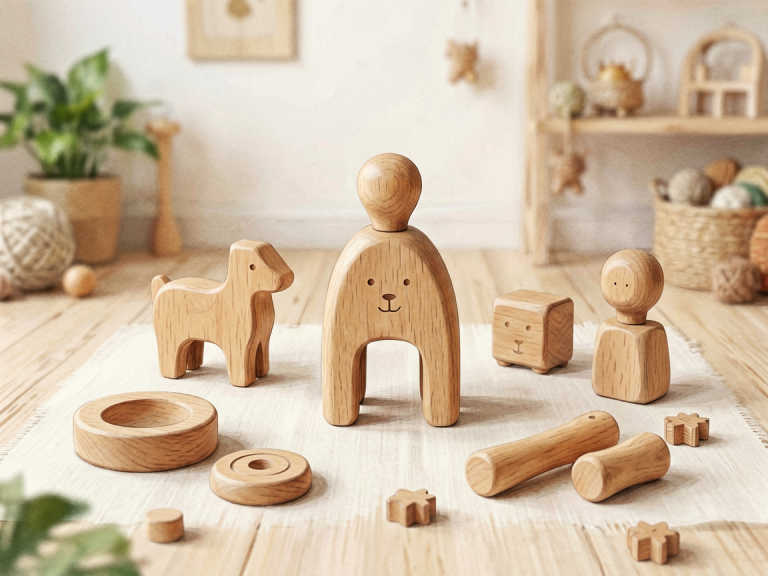
In contrast, studies indicate that children who receive fewer, more carefully chosen toys engage in longer periods of imaginative play, demonstrate greater resourcefulness, and develop better problem-solving skills. A classic study from the University of Toledo found that toddlers with fewer toys played with each toy for twice as long, exploring its features in depth rather than flitting between options. Overbuying also fosters a sense of entitlement and reduces appreciation for effort or sacrifice. When children receive everything they ask for, they lose the opportunity to experience anticipation, delayed gratification, and the small-scale disappointment that builds emotional resilience. The result is a generation less equipped to cope with limits, at a time when limits are more necessary than ever.
The Social and Moral Message: Redefining Giving Away from Consumerism
On a broader societal level, the holiday toy overabundance perpetuates a regressive cultural narrative. The holidays have become synonymous with consumption, and children learn early that the "best" holiday is measured by the size of the pile under the tree. This message is morally corrosive because it conflates love with material provision and happiness with acquisition. It also exacerbates social inequality: children from affluent homes receive mountains of toys, while their peers in lower-income families receive far less, reinforcing feelings of inadequacy and exclusion at an age when peer comparison is painful.
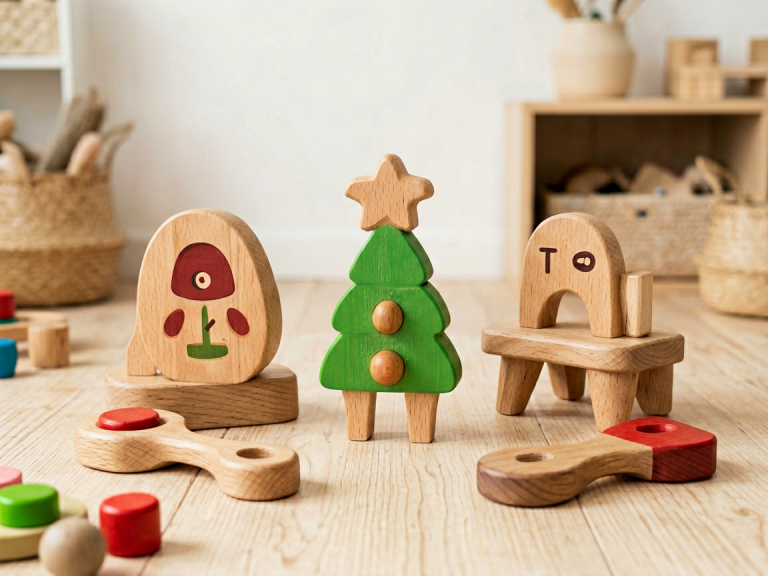
Furthermore, overbuying undermines the very values that holidays are supposed to celebrate—generosity, gratitude, togetherness, and reflection. When gift-giving becomes an obligation driven by retail calendars and influencer unboxing videos, it loses its meaning as an expression of thoughtfulness. The most memorable gifts are rarely the most numerous ones; they are the ones that reflect genuine knowledge of the child's interests, the ones that create shared experiences, or the ones that carry a personal story. By consciously resisting the pressure to overbuy, parents can teach their children that giving is an act of connection, not an arms race. Charitable giving, handmade gifts, and contributions to a child's savings account are meaningful alternatives that model a more mature understanding of abundance.
Conclusion: Less Truly Is More
The problem of overbuying holiday toys is not a trivial complaint about spoiled children or cluttered living rooms. It is a multifaceted issue with financial, environmental, psychological, and ethical dimensions that demand attention. The urgent task for parents, grandparents, and society at large is to recognize that the magic of the holidays does not live in the quantity of wrapped boxes, but in the quality of attention, presence, and love we offer to the children in our lives. Choosing fewer, better toys—or choosing experiences, books, and time together instead—doesn't mean giving less. It means giving more thoughtfully. This holiday season, let us break the cycle of accumulation and reclaim the deeper joy that comes from restraint, gratitude, and the simple, irreplaceable gift of being fully present with those we love. After all, a child who learns to value what they already have is a child who will never be poor.