The Hidden Costs of Buying Cheap Plastic Toys for 9-Month-Olds
Introduction: The Allure of Low-Cost Infant Toys
When a baby reaches nine months old, their world expands dramatically. They begin to sit independently, grasp objects with purpose, and explore their surroundings with an insatiable curiosity. For parents, this developmental milestone often triggers a shopping spree for toys that promise to stimulate, entertain, and educate. However, faced with the reality of rising living costs and the fleeting nature of infant interests, many caregivers are tempted by the siren call of cheap plastic toys—those brightly colored, battery-operated, or mass-produced items that cost just a few dollars at discount stores or online marketplaces. At first glance, these purchases seem harmless, even practical. Yet beneath the glossy surface of a low price tag lie significant hidden costs that affect infant safety, developmental health, environmental sustainability, and even family finances. This article explores why buying cheap plastic toys for a nine-month-old may be a decision that parents should reconsider with greater care.
The Safety Hazards Lurking in Inexpensive Plastics
Choking Risks and Small Parts
Nine-month-olds are in the oral stage of development. They explore toys primarily through their mouths, gums, and tongues. A cheap plastic toy—especially one produced without rigorous quality control—often contains small parts that can detach easily. Buttons, eyes, wheels, or decorative elements may be glued rather than securely fastened. The Consumer Product Safety Commission (CPSC) reports that thousands of emergency room visits each year involve children under one year old who have choked on toy components. When a parent buys a toy for a few dollars from an unverified seller, they cannot be certain that it has passed standard safety tests. The risk is not merely theoretical: many low-cost toys imported from regions with lax manufacturing regulations have been recalled for containing small parts that pose a fatal choking hazard.
Toxic Chemical Exposure
Beyond physical hazards, cheap plastic toys often contain harmful chemicals. Many inexpensive plastics are made from polyvinyl chloride (PVC) or other polymers that may include phthalates, bisphenol A (BPA), lead, or cadmium. These substances are used to soften plastic or add color, but they are known endocrine disruptors and neurotoxins. For a nine-month-old whose brain and body are developing at an astonishing rate, exposure to even trace amounts of these chemicals can have lifelong consequences. Studies have linked early exposure to phthalates with behavioral problems, lower IQ, and reproductive issues. While reputable manufacturers in developed countries follow strict regulations, a cheap plastic toy produced in a factory with minimal oversight may contain levels of toxins that far exceed safe limits. The phrase "you get what you pay for" becomes a grave understatement when it comes to infant health.
Developmental Considerations: Quality Over Quantity
Sensory Stimulation and Cognitive Engagement
At nine months, babies are developing cause-and-effect understanding, object permanence, and fine motor skills. High-quality toys designed for this age—such as soft wooden blocks, silicone teethers, or simple cause-and-effect puzzles—offer rich sensory experiences. They have varied textures, weights, and sounds that encourage exploration. Cheap plastic toys, by contrast, often rely on flashing lights, loud electronic noises, and repetitive actions to capture attention. While these may briefly amuse a baby, they provide shallow stimulation. Research in early childhood development suggests that passive entertainment from battery-operated toys can actually hinder a child's ability to engage in self-directed play. Instead of learning to manipulate the toy themselves, the infant becomes a passive observer. The cheap plastic toy may seem to "do the work," but the baby loses the opportunity to develop problem-solving skills, persistence, and creativity.
Durability and Longevity
Another overlooked aspect is the lifespan of a cheap plastic toy. A nine-month-old is likely to drop, throw, chew, and otherwise abuse any object they hold. Inexpensive plastic items often break within days or weeks. A cracked surface can create sharp edges that cut a baby’s gums or fingers. Broken pieces can become swallowed. When a toy breaks, the parent either throws it away—adding to a growing mountain of plastic waste—or buys another cheap replacement, perpetuating a cycle of consumption. In contrast, a well-made toy, even if initially more expensive, can last through multiple children or be passed on. The cost-per-use of a high-quality toy is often lower than that of a cheap toy that must be replaced repeatedly.
Environmental and Economic Consequences
The Plastic Waste Crisis
The environmental impact of cheap plastic toys is staggering. Most are made from non-recyclable plastics and end up in landfills or oceans after a short, often single-use, life. The global toy industry produces about 40 million tons of plastic waste annually, and inexpensive toys contribute disproportionately because they are designed for disposability. For a nine-month-old, the sheer volume of cheap plastic toys bought and discarded during infancy is alarming. Parents may feel they are being frugal, but they are unknowingly subsidizing an industry that externalizes its environmental costs. The carbon footprint of manufacturing, shipping, and eventually disposing of these toys is enormous. Choosing a few high-quality, sustainable toys instead of a bin full of cheap plastic alternatives is a small but meaningful step toward reducing one’s environmental footprint.
The Hidden Financial Cost
On the surface, a $2 plastic rattle seems like a bargain compared to a $20 wooden teether. But consider the bigger picture. A parent may buy ten such cheap toys over a few months, spending $20 total. However, many of these break, are lost, or fail to engage the baby. The parent then buys more, often totaling far more than the cost of a single high-quality toy that would have served the same purpose. Additionally, cheap plastic toys are often entangled in a culture of impulse buying, especially when marketed through social media or discount apps. The cumulative financial drain, combined with the potential cost of replacing a broken toy or addressing a health issue from toxic exposure, makes cheap toys far less economical than they appear. The real bargain is investing in a few thoughtfully selected, safe, and durable toys.
Practical Recommendations for Parents
Prioritize Safety Certification
Before purchasing any toy for a nine-month-old, check for safety certifications such as ASTM F963 (U.S.), EN71 (European), or equivalent standards in your country. Look for labels that indicate the toy is BPA-free, phthalate-free, and free of small parts. Reputable brands often list these certifications on their packaging or website. If a toy is extremely cheap, especially from a non-reputable online seller, assume it does not meet safety standards.
Choose Simpler, Higher-Quality Materials
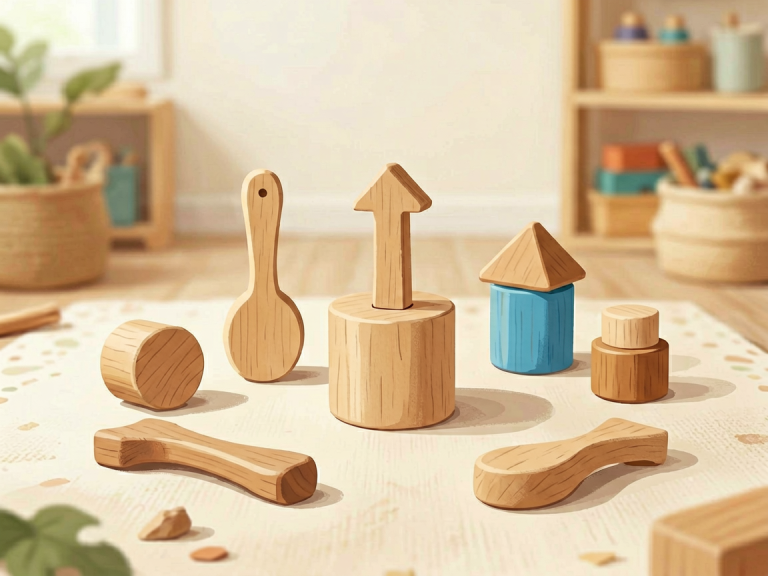
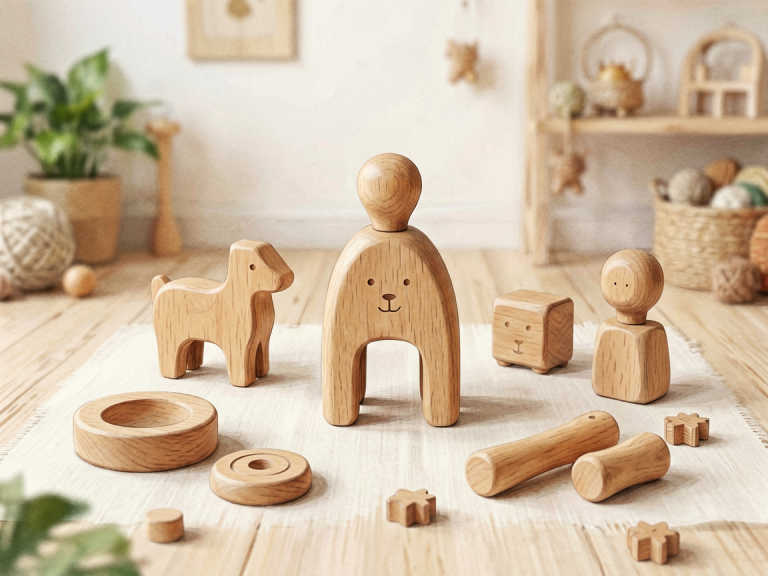
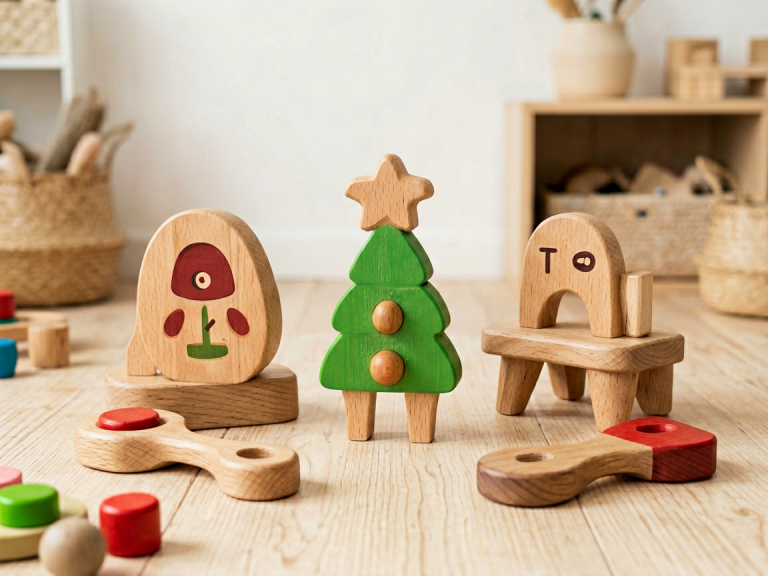
Instead of hard plastic with electronic components, opt for toys made from natural materials like untreated wood, organic cotton, or 100% food-grade silicone. These materials are safer if chewed, more sensory-rich, and more durable. Simple toys such as stacking cups, soft balls, or fabric books often provide more developmental benefit than flashy plastic alternatives.
Quality Over Quantity
A nine-month-old does not need dozens of toys. Research shows that infants engage more deeply with a small number of interesting objects than with an overwhelming array. Select five to seven high-quality toys that target different skills—grasping, mouthing, shaking, and visual tracking. Rotate them every few days to maintain novelty. This approach is not only better for the baby’s development but also reduces clutter, waste, and expense.
Buy Used High-Quality Toys
If budget is a concern, consider purchasing second-hand toys from families whose children have outgrown them. Many high-quality wooden or silicone toys are robust enough to survive multiple children. Thrift stores, online marketplaces, and parent groups often sell gently used toys at a fraction of their retail price. This allows you to provide safe, enriching playthings without breaking the bank—and without supporting the cheap plastic toy industry.
Conclusion: A Thoughtful Investment in Childhood
Buying cheap plastic toys for a nine-month-old is a common but often misguided decision. The initial savings are quickly eroded by safety risks, developmental shortcomings, environmental harm, and hidden financial costs. Parents who choose instead to invest in a smaller number of high-quality, safe, and sustainable toys are not being overly cautious or extravagant—they are making a rational decision that prioritizes their child’s health, development, and future. In a world saturated with disposable consumer goods, the most radical and loving act a parent can take is to slow down, research thoughtfully, and choose toys that truly nurture a baby’s growth. The best toy for a nine-month-old is not the cheapest one on the shelf, but the one that is safe, simple, and built to last.