From Chaos to Calm: Essential Playroom Organization Tips for Parents
Introduction
Every parent knows the sinking feeling: you spend an hour tidying the playroom, only to find it looks like a tornado hit it within ten minutes of your child’s return. The playroom is often the epicenter of domestic mess — a space where creativity runs wild, but so do scattered blocks, half-finished puzzles, and rogue crayons. Yet a well-organized playroom isn’t just about aesthetics; it fosters independence, reduces overstimulation, and teaches children valuable life skills. The good news? You don’t need a professional organizer or a remodel. With a few strategic changes, you can transform the playroom into a functional, inviting space that both you and your kids will love. Here are actionable, parent-tested tips to reclaim order without stifling fun.
—
1. Declutter First: The Art of Letting Go
Before you buy a single bin or label maker, you must declutter. Playrooms accumulate toys like magnets — gifts from relatives, party favors, impulse buys, and hand-me-downs. The result? Overwhelmed kids who can’t focus and parents who can’t find the floor.
Start by gathering every toy, game, and craft supply into one central location. Yes, this will look like a toy explosion. Then, sort ruthlessly into three piles: keep, donate, and trash. Be honest: does your child actually play with that broken puzzle? Are there five sets of the same plastic dinosaurs? Research shows that children engage more deeply with fewer toys — a concept known as “less is more.” Aim to keep only items that are age-appropriate, in good condition, and genuinely loved.
For items your child has outgrown but are still usable, donate to a local shelter, daycare, or charity. For sentimental keepsakes (like that first stuffed animal), store one or two in a memory box elsewhere. For everything broken or missing pieces — toss it. This initial purge will immediately free up 30–50% of your space, making the next steps far more manageable.
—
2. Zone Your Playroom for Maximum Efficiency
Once you’ve pared down, think of the playroom like a classroom: each area should have a clear purpose. Zoning prevents chaos because kids know where to find things and where to put them back.
Create distinct zones based on activity type:
- Building Zone: Designate a low shelf or table for blocks, LEGOs, magnetic tiles, and construction toys. Use shallow bins so kids can see and access pieces easily.
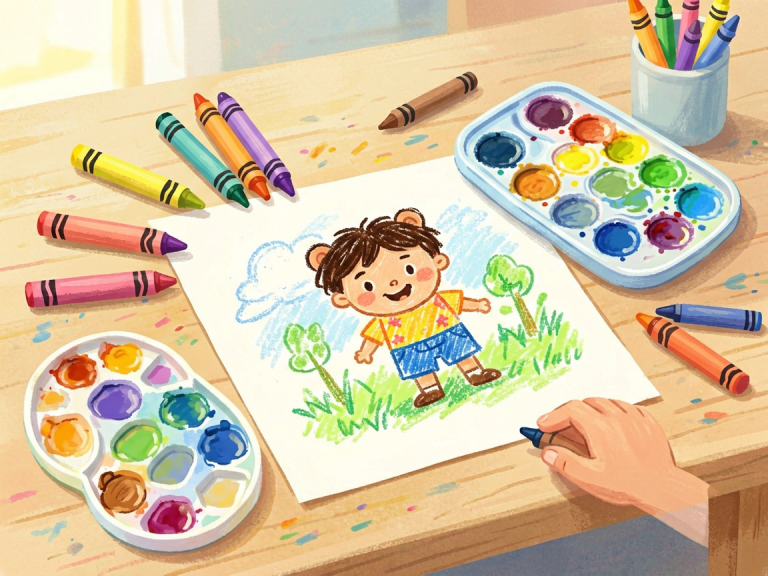
- Art & Crafts Zone: Place a child-height table with chairs nearby. Store markers, crayons, paper, glue, and scissors in clear caddies or a caddy that can be moved to the table. Include a drying rack for masterpieces.
- Quiet Reading Zone: A cozy corner with a beanbag, small bookshelf, and soft lighting invites calm. Rotate books seasonally to keep interest high.
- Dramatic Play Zone: This can host dress-up clothes, a play kitchen, dolls, or action figures. Use a low rack for costumes (hang them on child-sized hangers) and a bin for props.
- Gross Motor Zone: If you have space, include a small slide, tunnel, or balance beam. For smaller rooms, use a soft mat for tumbling or yoga poses.
Label each zone visually — for non-readers, use pictures or icons (e.g., a block icon for the building zone). This empowers even toddlers to self-sort.
—
3. Use Vertical Space: Shelving, Pegboards, and Wall Storage
When floor space is limited, look up. Vertical storage is a game-changer for playrooms because it keeps items accessible while freeing up precious square footage for active play.
Install low, open shelving at child height. Avoid deep, dark cabinets where toys disappear into a black hole. Instead, use shallow bins or baskets on shelves so kids can see and grab what they want. For example, IKEA’s Kallax units work well when paired with fabric bins — just ensure bins are labeled.
Pegboards are another unsung hero. Mount a pegboard on one wall and use hooks to hang dress-up costumes, leashes for ride-on toys, art smocks, or even a small shopping basket for “grocery” play. You can also attach small buckets for markers, paintbrushes, or puzzle pieces.
Don’t forget the back of doors. Over-the-door shoe organizers are perfect for holding small cars, action figures, crayons, or craft supplies — each pocket can hold a category. Similarly, clear wall-mounted tubes can store dolls or building blocks.
Finally, consider a wall-mounted magnetic board for magnetic tiles, letters, or puzzle pieces. This doubles as a play surface and a storage solution.
—
4. Label Everything: A System That Works for Kids
Labels are the backbone of any organization system, but they must be designed for your child’s developmental stage. For toddlers and preschoolers, use pictures or photos of the item that belongs in each bin. You can print real photos (e.g., a photo of a dinosaur for the dinosaur bin) and tape them to the container. This visual cue teaches matching and sorting without requiring reading skills.
For early readers, add simple words underneath the picture. Write “Blocks” or “Cars” in large, clear font. For older children, use text-only labels. Consistent labeling also helps caregivers, babysitters, and grandparents maintain the system.
But labeling isn’t just about bins. Label shelves themselves (e.g., “Puzzles here” or “Art supplies here”) so kids know exactly where to return items. Use removable chalkboard labels or washi tape for easy updates when toys change.
Pro tip: Involve your child in creating the labels. Have them draw a picture of a car or a doll, then laminate it together. Ownership increases the likelihood they’ll use the system.
—
5. Rotating Toys: Keep Interest Fresh and Clutter Down
One of the most effective strategies for maintaining playroom sanity is toy rotation. The concept is simple: instead of having all toys available at once, divide them into groups and rotate them every few weeks.
Start by selecting a core set of toys that stay in the playroom permanently — typically favorites that get daily use, like building blocks or art supplies. Then, create 3–4 “rotation sets” of other toys — puzzles, board games, action figures, dolls, vehicles, etc. Store the extra sets in clear bins in a closet or under a bed. Every two to four weeks, swap out one set for another.
Benefits? First, kids become more engaged because “new” toys feel exciting. Second, mess is drastically reduced — you’re only managing a limited inventory. Third, you’ll notice which toys your child truly loves versus those you can donate. Toy rotation also teaches delayed gratification and care for belongings, since each set stays special.
For the rotation schedule, you can tie it to a calendar event like the first of the month or a seasonal change. Some parents even let their child help choose which set to bring out next, building excitement.
—
6. Invest in Multi-Purpose Furniture
Smart furniture choices can transform a chaotic playroom into a flexible space. Look for pieces that serve double duty.
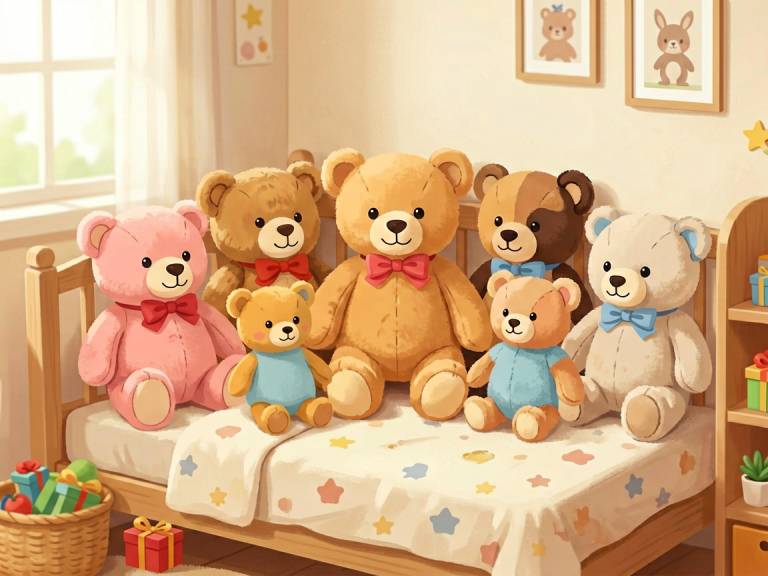
A storage ottoman or bench with a lid can hold bulky stuffed animals or blankets while providing seating. A low, child-sized table with built-in drawers can store art supplies or puzzles underneath its surface. A cube shelf with fabric bins works for toys *and* can be used as a room divider to separate zones.
For younger children, consider a play kitchen or workbench that has storage shelves integrated. For older kids, a desk with hutch shelves can hold books, craft supplies, and a laptop for homework.
Another great option is a wall-mounted fold-down table. When not in use, it folds flat against the wall, freeing up floor space for dancing or building forts. Add a magnetic surface or chalkboard on the underside for extra creativity.
Remember: every piece of furniture should be safe, sturdy, and easy for a child to access. Avoid sharp corners, tip-over hazards, and heavy lids that can slam down.
—
7. Create a Cleaning Routine with Your Kids
No organization system survives without maintenance. The key is to make clean-up a habit, not a chore. Start by establishing a simple end-of-day routine: the “5-Minute Tidy.” Set a timer, put on a favorite song, and have everyone — including you — put away toys in their labeled homes. For young children, break it down: “First, put all the blocks in the blue bin. Then, put the dolls in the pink basket.”
Make it game-like. Challenge your child to see how many items they can put away in one minute. Use a reward chart with stickers for consistent clean-up. Or play “clean-up race” where you compete to see who finishes their zone first.
Additionally, schedule a weekly “deep clean” session where you sort through the playroom together. Check for broken toys, missing pieces, and items that no longer get played with. This 15-minute habit prevents clutter from creeping back.
Finally, model the behavior. When you clean up your own things (books, clothes, kitchen items), narrate what you’re doing: “I’m putting my keys in the bowl so I can find them tomorrow.” Children learn by imitation, and seeing organization as a normal part of life will stick with them.
—
Conclusion
Organizing a playroom isn’t about perfection; it’s about creating a space that supports your child’s development while preserving your own sanity. By decluttering first, zoning activities, maximizing vertical storage, labeling clearly, rotating toys, choosing multi-purpose furniture, and establishing a clean-up routine, you’ll build a system that works for the whole family. Remember: the goal is not a showroom, but a functional, joyful room where creativity thrives and messes are manageable. Start small — one zone, one shelf, one bin at a time. Your future self (and your kids) will thank you.
(Word count: approximately 1,280 words)