Dolls vs Plush Toys for 8-Year-Olds: A Comprehensive Comparison for Parents and Educators
Introduction: The Enduring Appeal of Soft Companions
At the age of eight, children stand at a fascinating developmental crossroads. They are no longer toddlers who simply clutch a stuffed animal for comfort, yet they are not quite adolescents who have outgrown imaginative play altogether. This transitional period makes the choice between dolls and plush toys particularly significant. Both categories offer unique benefits and potential drawbacks, and understanding these nuances can help parents, educators, and gift-givers make informed decisions that support a child’s emotional, cognitive, and social growth. While dolls and plush toys may appear similar at first glance—both are soft, huggable, and designed for play—they serve distinctly different roles in an eight-year-old’s life. This article explores the key differences, advantages, and considerations when selecting between dolls and plush toys for children in this age group, drawing on developmental psychology, play theory, and practical parenting insights.
The Developmental Landscape of an Eight-Year-Old
Cognitive and Emotional Milestones
By age eight, children typically exhibit more sophisticated cognitive abilities, including the capacity for logical reasoning, understanding cause and effect, and engaging in complex pretend play scenarios. Their emotional world is also expanding; they begin to grasp abstract concepts like empathy, fairness, and social justice. However, they still rely heavily on transitional objects—items that provide comfort and security in times of stress. Both dolls and plush toys can serve this function, but the way an eight-year-old interacts with each differs significantly. For instance, a plush toy might be a cuddly companion during bedtime, while a doll could become a character in an elaborate story about friendship, family, or even conflict resolution. Understanding these nuances is crucial for selecting a toy that aligns with a child’s current developmental needs.
Social Dynamics and Peer Influence
At this age, peer relationships become increasingly important. Children often engage in group play, sharing ideas and negotiating roles. Dolls, especially those that are fashion dolls or action figures, can facilitate collaborative storytelling and role-playing that mirrors real-life social dynamics. Plush toys, on the other hand, are often more personal and less likely to be shared in group settings—a child might bring a beloved stuffed bear to a sleepover, but it is rarely used as a character in a group game. This distinction matters because social play is crucial for developing communication skills, empathy, and the ability to see multiple perspectives. Parents should consider whether the toy is intended for solitary comfort or for interactive, social play.
The Case for Dolls: Fostering Narrative, Empathy, and Identity
Encouraging Complex Storytelling and Role-Play
Dolls, particularly those with articulated limbs, realistic features, or themed accessories, invite children to construct intricate narratives. An eight-year-old might dress a doll for a job interview, imagine it as a doctor curing a sick friend, or create a family drama with multiple dolls. This type of play is inherently linguistic and cognitive—it requires planning, sequencing events, and using language to describe actions and emotions. Unlike plush toys, which are often passive recipients of affection, dolls can be manipulated to perform actions, speak lines, and interact with each other. This active engagement stimulates the prefrontal cortex, the part of the brain responsible for executive functions like planning and self-regulation. Moreover, studies in child development have shown that doll play activates brain regions associated with social processing and empathy, even when a child plays alone. For an eight-year-old who is beginning to understand complex social hierarchies and moral dilemmas, dolls provide a safe sandbox for exploring these issues.
Exploring Identity and Gender Roles
Dolls also allow children to experiment with identity. Whether a child chooses a doll that looks like them, a doll of a different ethnicity, or a doll that represents a non-traditional gender expression, the act of caring for and directing a doll can be a powerful form of self-exploration. At age eight, children are forming early ideas about who they are and who they want to become. Dolls that represent various professions, cultures, or family structures can broaden their worldview and challenge stereotypes. However, it is important to note that many dolls marketed to this age group are heavily gendered—princess dolls, ballerina dolls, or fashion-focused dolls—which may reinforce narrow gender roles. Parents might opt for more inclusive dolls, such as those with diverse skin tones, disabilities, or career-themed outfits, to provide a richer, more balanced experience.
Potential Drawbacks: Complexity, Cost, and Fragility
Not all dolls are created equal. Some dolls come with tiny accessories, delicate clothing, or complex hair that requires maintenance. For an eight-year-old, frustration over a tangled doll wig or lost shoes can lead to disinterest or distress. Additionally, high-end dolls can be expensive, and the pressure to collect them (often driven by marketing and peer culture) can create unnecessary consumerism. Furthermore, dolls that are too realistic—such as those with lifelike weight or detailed facial features—may not appeal to every child; some eight-year-olds prefer toys that leave more room for imagination. Parents should consider the child’s temperament: a conscientious, patient child might thrive with a detailed doll, while a rough-and-tumble child might benefit from a sturdier, simpler alternative.
The Case for Plush Toys: Comfort, Stability, and Sensory Integration
Unconditional Companionship and Emotional Regulation
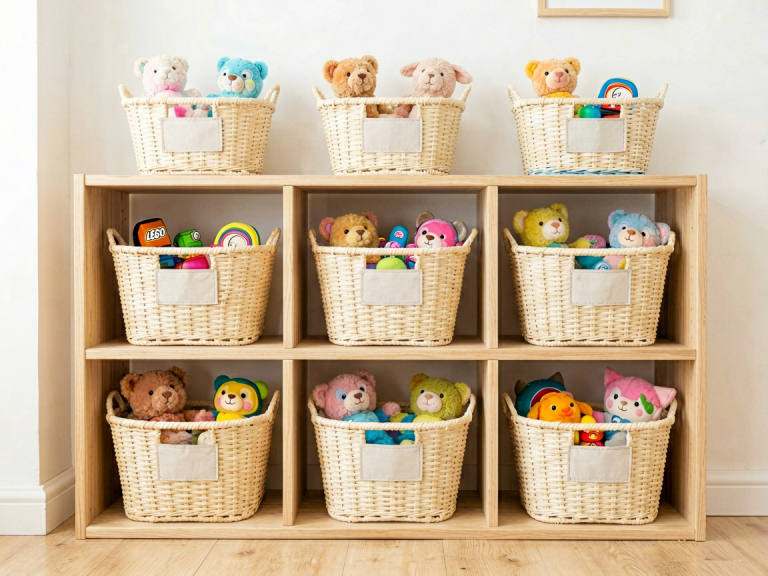
Plush toys occupy a unique and often underestimated role in a child’s emotional life. Unlike dolls, which demand active manipulation and storytelling, a plush toy is primarily a comfort object. An eight-year-old might hug a stuffed animal when feeling anxious, squeeze it when angry, or simply hold it while reading or watching a movie. This tactile, sensory experience can be deeply regulating. Research in occupational therapy suggests that the soft texture and gentle weight of a plush toy can help children self-soothe by providing deep pressure input, which calms the nervous system. For an eight-year-old who may be facing new academic pressures, social challenges, or family changes, a beloved plush toy offers a constant, nonjudgmental presence. Unlike dolls, which often have rigid expressions or poses, plush toys are soft and forgiving—they can be squished, washed, and taken everywhere without fear of breaking.
Stimulating Imaginative yet Less Structured Play
Plush toys also encourage imagination, but in a different way. A child might transform a bunny into a secret agent, a bear into a king, or a monkey into a mischievous prankster. However, because plush toys lack the articulated joints and detailed accessories of dolls, the narrative tends to be more fluid and less bound by physical constraints. This can be beneficial for children who feel overwhelmed by too many choices or who prefer open-ended play. Moreover, plush toys are often associated with sleep and comfort, which means they can help create healthy bedtime routines. For an eight-year-old who struggles with separation anxiety or night terrors, a plush companion can be an invaluable tool.
Durability, Safety, and Longevity
In terms of practicality, plush toys generally win on durability and safety. A well-made stuffed animal can survive years of hugs, washes, and occasional drops. They have no small parts that can break off, no fragile limbs that can snap, and no sharp edges. For parents concerned about choking hazards or toxic materials, high-quality plush toys are typically made from hypoallergenic fabrics and filled with polyester fiber or beans that are securely enclosed. Additionally, plush toys rarely become obsolete or tied to a specific franchise—a classic teddy bear can be loved for decades, whereas a doll from a popular TV show might lose its appeal when the child’s interests shift. However, some plush toys are designed with collectible series (like Beanie Babies or Squishmallows), which can trigger the same consumerist urges as dolls.
Potential Drawbacks: Limited Interactive Features and Social Play
Plush toys have their limitations. They do not easily facilitate complex group play. While a child can certainly include a stuffed animal in a group game, the toy’s inability to stand, sit, or hold objects makes it less versatile for elaborate scenarios. Additionally, some eight-year-olds may begin to view plush toys as “babyish” if their peers are playing with more sophisticated dolls or action figures. This peer pressure can be a real concern—a child who desperately wants to fit in might abandon a beloved stuffed animal in favor of a trendier doll. Furthermore, plush toys offer less opportunity for fine motor skill development (e.g., dressing, brushing hair) compared to dolls. They are primarily passive objects, which means the child must supply all the imagination without any physical feedback.
Comparing Key Factors: Which Is Better for an 8-Year-Old?
Cognitive Development and Creativity
When it comes to fostering creativity, dolls edge slightly ahead because of their potential for detailed, structured storytelling. However, plush toys encourage a more fluid, less rule-bound kind of imagination. The best choice depends on the child’s cognitive style. A child who loves organizing, categorizing, and building narratives will likely thrive with dolls. A child who prefers tangential, sensory-driven play might prefer plush toys.
Emotional Support and Security
For emotional comfort, plush toys are unequivocally superior. Their softness, portability, and tactile nature make them ideal for stress relief. Dolls, while they can serve a similar function, are less likely to be hugged tightly or taken to bed because of their harder surfaces and fragile parts.
Social Skills and Peer Interaction
Dolls generally promote more interactive, social play, especially when multiple children play together. They can be used to act out social scenarios, negotiate roles, and practice conflict resolution. Plush toys are more often solitary companions, though they can be included in group play if the child is creative enough.
Practicality, Safety, and Longevity
Plush toys win on practicality: they are cheaper, more durable, easier to clean, and less likely to cause frustration. Dolls require more care and can be expensive, but they may offer more long-term value if the child engages in complex play that evolves over months or years.
Age Appropriateness and Peer Perception
At age eight, many children are highly aware of what is “cool.” Dolls can be seen as more mature or sophisticated, especially if they are part of a popular franchise (e.g., Barbie, LOL Surprise, or fashion dolls). Plush toys, particularly those with cartoonish or babyish designs, might be rejected by some children. However, there is a growing trend of “adult” plush toys (such as Squishmallows) that are embraced by all ages, which may ease this concern.
How to Make the Right Choice: Practical Tips for Parents and Gift-Givers
Observe the Child’s Play Style
Before purchasing, spend time watching how the child plays. Do they prefer to create elaborate stories with multiple characters? Do they like to act out scenes from movies or books? If so, a doll or a dollhouse set might be ideal. Do they often carry a soft object around for comfort, or do they enjoy collecting and displaying toys? A plush toy might be better.
Consider the Child’s Emotional Needs
If the child is going through a period of anxiety, change, or stress, a high-quality plush toy can be a soothing presence. If the child is seeking more complex social interaction, perhaps a doll that can be dressed, changed, and accessorized will provide a richer play experience.
Balance Quality, Safety, and Budget
Invest in well-made toys from reputable brands. Check for safety certifications (e.g., ASTM, CE) and avoid toys with small detachable parts if the child still mouths objects. For dolls, consider those with removable, washable clothing. For plush toys, look for reinforced seams and machine-washable materials.
Encourage Diversity in Play
Rather than choosing one over the other, consider offering both. An eight-year-old can benefit tremendously from having a soft companion to sleep with and a storytelling doll to play with during the day. The two types of toys complement each other—a doll can be the protagonist in a story, while the plush toy serves as the devoted sidekick or audience.
Conclusion: There Is No One-Size-Fits-All Answer
The debate between dolls and plush toys for eight-year-olds is not a contest with a clear winner. Both toys fulfill essential but different developmental functions. Dolls encourage narrative thinking, social simulation, and identity exploration, while plush toys provide unmatched emotional comfort, sensory regulation, and lasting security. The optimal choice depends on the individual child’s temperament, play habits, emotional needs, and social environment. What matters most is not the category of the toy but the quality of the interaction it inspires. A single well-chosen doll can spark years of creative storytelling, while a simple stuffed bear can become a lifelong friend. For parents and educators, the goal should be to observe, listen, and then select a toy that resonates with the child’s current stage of growth—knowing that the perfect toy today might be replaced by something different tomorrow. Ultimately, whether a child cradles a doll or a plush toy, the true magic lies in the love and imagination they bring to the play.