The Dissonant Playroom: Why Choosing Noisy Toys Is One of the Biggest Mistakes Parents Make
Introduction
Every parent wants to see joy light up their child’s eyes when a new toy is unwrapped. Among the endless aisles of stuffed animals, building blocks, and board games, it is often the bright, flashing, sound-emitting toys that grab a child’s attention first. The appeal is undeniable: a toy that roars, beeps, sings, or rattles promises immediate engagement. Yet in that very allure lies a hidden pitfall. The seemingly innocent decision to purchase a noisy toy is one of the most common and underestimated mistakes parents make—a decision that carries consequences far beyond a temporary headache. This article explores why parents are drawn to noisy toys, the overlooked risks they pose, the specific errors in judgment that lead to poor purchases, and how to navigate the noisy toy landscape with wisdom and balance.
The Appeal of Noisy Toys: Why Parents Buy Them
To understand why the mistake occurs so frequently, we must first examine the psychology behind the purchase. Noisy toys are designed to stimulate a child’s auditory system, which is highly responsive from infancy. A rattle that shakes or a plastic phone that chirps can instantly capture a baby’s gaze and elicit a smile. For parents, this immediate feedback feels like a success—the toy is “working,” the child is entertained, and the parent’s effort is validated. Moreover, many manufacturers market noisy toys as educational tools, promising that sounds and songs will accelerate language development, pattern recognition, or motor skills. Retail displays often feature demo buttons that produce loud, catchy tunes, making it easy for a harried parent to grab the item and head to the checkout.
Another factor is social pressure. At birthday parties and playdates, children gravitate toward the flashiest, loudest toys. A parent who wants their child to be included or to feel special may capitulate to the demand for a particular screaming robot or musical instrument. The fear of disappointing a child—or being seen as a “boring” parent—overrides caution. Additionally, grandparents and relatives often default to noisy toys because they associate volume with fun. The cumulative result is that many households accumulate a collection of sound-producing gadgets that quickly become more of a nuisance than a benefit.
The Hidden Dangers of Noisy Toys
Despite their popularity, noisy toys pose several well-documented risks that many parents overlook. First and foremost is the threat to hearing health. According to research published by the American Academy of Pediatrics, many toys produce sounds at levels exceeding 100 decibels when held close to the ear—well above the safe threshold of 85 decibels for prolonged exposure. A toy fire truck that emits a siren at 110 dB can damage a child’s cochlear hair cells within minutes. Since young children naturally hold toys near their faces and ears, the risk is amplified. The damage may be cumulative and irreversible, manifesting later in life as tinnitus or hearing loss.
Beyond hearing, there is the problem of overstimulation. The developing brain thrives on patterns of moderate sensory input that allow for focused attention, problem-solving, and imaginative play. A toy that beeps incessantly or flashes random lights hijacks a child’s attention, encouraging a passive, reactive mode rather than active exploration. Studies in early childhood development have shown that children who play predominantly with electronic, sound-heavy toys exhibit shorter attention spans and reduced creative play compared to those who use simpler, quieter alternatives. The constant auditory bombardment can also elevate stress hormones like cortisol, making children more irritable and less able to self-regulate their emotions.
Furthermore, noisy toys disrupt family harmony. A household filled with overlapping electronic sounds can strain parent-child relationships. Exhausted parents may become short-tempered after hearing the fifth rendition of a tinny melody in an hour. Siblings may complain about being unable to concentrate on homework or conversation. The very tool intended to entertain a child can become a source of family friction, undermining the calm environment that supports healthy development.
Common Mistakes Parents Make When Choosing Noisy Toys
Understanding why parents err is essential to correcting the behavior. Below are the most frequent missteps:
*Mistake 1: Equating Volume with Engagement*
A common belief is that a louder toy means more fun and longer play value. In reality, children quickly habituate to repetitive sounds and often abandon the toy after the novelty wears off. The toy’s volume is not an indicator of its developmental benefit. Parents who fall for this mistake end up with a collection of discarded plastic items that occupy space and drain batteries, while the child’s true developmental needs—like open-ended play, social interaction, and quiet exploration—remain unmet.
*Mistake 2: Ignoring Volume Specifications*
Most toy packaging includes a small label indicating decibel levels, but few parents take the time to read it. Many assume that if a toy is sold in a mainstream store, it must be safe. This is a dangerous assumption. While regulations exist in many countries, enforcement is inconsistent, and some toys still exceed safe limits. Parents often fail to test the toy at ear level before purchasing, or they mistakenly believe that holding the toy at arm’s length mitigates the risk. However, a child will inevitably bring the toy close to their face, especially during imaginative play.
*Mistake 3: Prioritizing Entertainment Over Development*
The modern parenting culture often emphasizes keeping children “busy” and “happy” at all costs. Noisy toys are seen as a quick fix for boredom, especially during car rides or while the parent cooks dinner. This short-term convenience overshadows the long-term benefits of quiet, focused play. Parents may not realize that a simple set of wooden blocks, a puzzle, or a drawing pad fosters deeper cognitive skills—such as spatial reasoning, fine motor coordination, and problem-solving—than any battery-powered gadget. The mistake lies in choosing the path of least resistance rather than the path of developmental enrichment.
*Mistake 4: Succumbing to Marketing and Peer Pressure*
Toy advertisements often depict children laughing ecstatically while surrounded by blinking, beeping devices. Social media influencers also showcase the latest “must-have” noisy toys, creating a sense of urgency. Parents may feel that buying a quieter, simpler toy makes them appear old-fashioned or depriving. In group settings, a child who brings a quiet book to a playdate may be seen as less fun. This social pressure can override a parent’s better judgment. The mistake is allowing external validation to dictate purchasing decisions rather than the child’s authentic needs.
*Mistake 5: Failing to Consider the Cumulative Effect*
A single noisy toy might be tolerable, but the problem multiplies when multiple toys are operating simultaneously. Many households have several sound-producing items—a musical learning table, a talking doll, a toy phone, a drum set. The combined noise level can easily exceed safe limits and create a chaotic auditory environment. Parents often overlook this cumulative effect, especially if they are used to tuning out background noise themselves. They may not realize that their child is being constantly bombarded by a cacophony that inhibits auditory discrimination and language processing.
How to Choose Toys Wisely: A Practical Guide for Parents
The good news is that avoiding these mistakes is entirely achievable with a few mindful strategies. First, adopt a “hear before you buy” rule. Whenever possible, press the toy’s buttons in the store and hold the speaker near your own ear at the distance a child would hold it. If the sound is uncomfortably loud for you, it is certainly too loud for a child with smaller ear canals and more sensitive hearing. Many toys have volume controls or a “low volume” mode; choose those and teach your child how to use them.
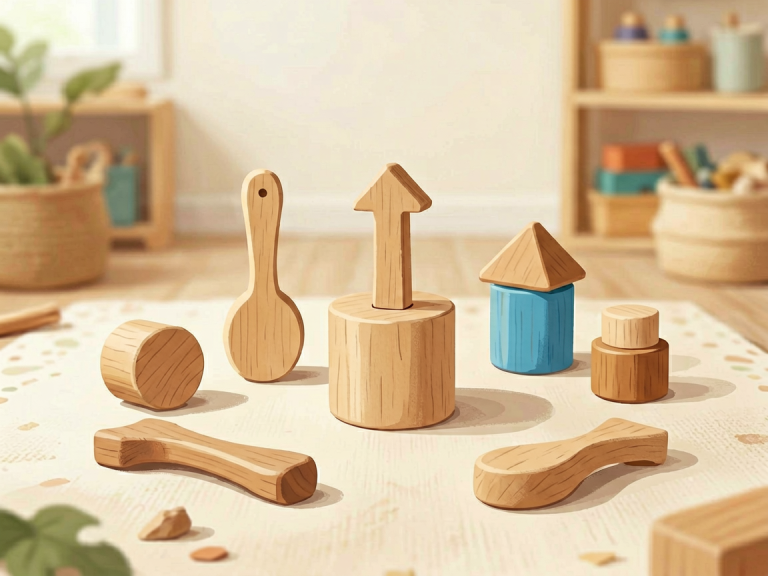
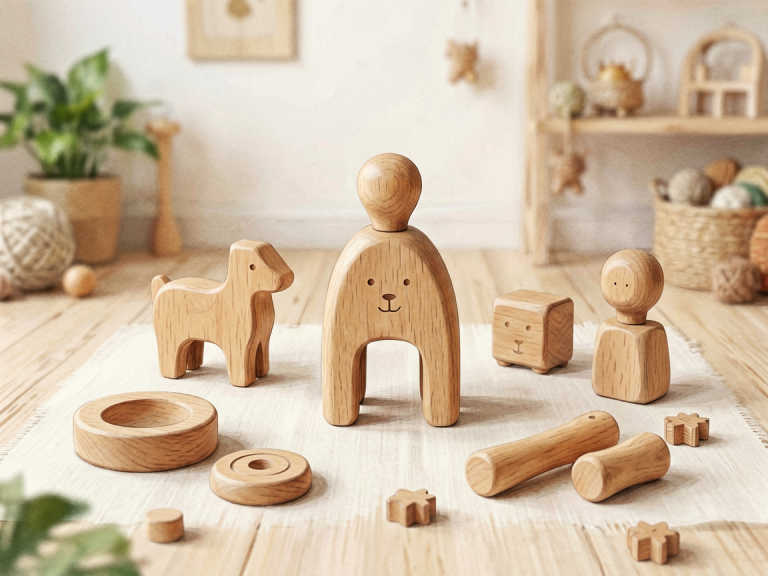
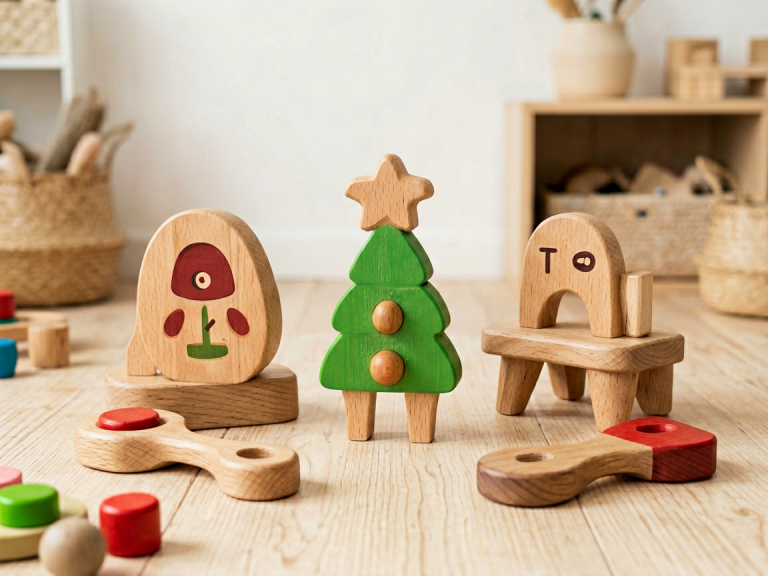
Second, prioritize toys that offer open-ended, quiet engagement. Classic options like wooden train sets, stacking cups, puzzle boards, crayons and paper, puppets, and building blocks never go out of style and provide endless opportunities for creativity. These toys encourage children to direct their own play, invent narratives, and solve problems independently—skills that noisy, passive toys actually undermine. When you do select a toy with sound, look for those that produce natural, gentle sounds (like a soft rattle or a rainstick) rather than electronic blasts.
Third, establish a “quiet play” rotation. Designate certain times of day—perhaps after lunch or before bedtime—when only silent or low-volume toys are allowed. This gives your child’s auditory system a necessary break and helps regulate their energy levels. It also models for your child that concentration and calm are valuable states, not just excitement.
Fourth, involve your child in the selection process with clear guidelines. Before going to a toy store or browsing online, explain that you will be looking for toys that are “kind to our ears and fun for our brains.” Encourage them to compare a noisy option with a quiet one and ask which they think will help them play longer. This teaches critical thinking and sets a precedent that sound level matters.
Finally, advocate for safer toys in your community. If you notice a toy that is unreasonably loud, contact the manufacturer or share your concern on social media. By raising awareness, you help other parents avoid the same mistakes and push for industry-wide standards.
Conclusion: A Quieter Path to Deeper Joy
The mistake of choosing noisy toys is pervasive precisely because it springs from good intentions—a desire to delight a child, to provide stimulation, to keep up with peers. But good intentions do not erase the risks: hearing damage, overstimulation, reduced creativity, and household tension. By recognizing the common errors outlined above, parents can reclaim their role as thoughtful gatekeepers of their child’s sensory environment. The goal is not to eliminate all sounds from childhood—the laughter of friends, the strum of a guitar, the patter of rain are all beautiful noises that enrich life. Rather, the goal is to curate a play landscape that prioritizes quality over decibel level, depth over volume, and connection over chaos. In choosing quieter, more meaningful toys, parents give their children something far more valuable than a momentary thrill: the gift of attentive, unhurried, and healthy development.