Creative and Safe Alternatives to Wooden Blocks for Babies: A Comprehensive Guide
Introduction
Wooden blocks have long been a staple in early childhood development. Their natural texture, weight, and durability make them a classic choice for building, stacking, and imaginative play. However, not every family or caregiver finds wooden blocks ideal for their baby. Concerns over hardness, sharp edges, splinters, cost, or simply the desire for more sensory variety often prompt parents to explore other options. Moreover, babies explore the world primarily through their mouths, and many wooden blocks are coated with finishes that may not be entirely safe for teething infants. This article delves into the best alternatives to wooden blocks for babies, offering a detailed comparison of materials, developmental benefits, safety considerations, and age-appropriate choices. Whether you are looking for something softer, more colorful, or more affordable, these alternatives will provide rich learning experiences without compromising on safety.
Why Consider Alternatives to Wooden Blocks?
Before listing specific products, it is important to understand the motivations behind seeking alternatives. Wooden blocks, while excellent in many ways, have limitations. First, they are often heavy and can cause injury if dropped on a baby’s foot or thrown accidentally. Second, some wooden blocks have sharp corners or rough surfaces that may scratch delicate skin. Third, high-quality wooden sets can be expensive, making them less accessible for families on a budget. Fourth, babies at the oral exploration stage might ingest splinters or toxic paint if the blocks are not certified non-toxic. Finally, wooden blocks offer limited sensory variety—they feel cool, hard, and uniform. Many babies benefit from a wider range of textures, weights, and sounds. Alternatives can provide contrast that stimulates neural development, encourages problem-solving, and sustains a baby’s curiosity for longer periods. By exploring substitutes, caregivers can tailor the play experience to their child’s specific needs, whether that means extra softness for a teether, bright colors for visual tracking, or lightweight pieces for early stacking attempts.
Top Alternatives for Sensory and Motor Development
1. Soft Fabric and Plush Blocks
Soft blocks are arguably the most popular alternative for babies under 12 months. Made from cotton, polyester, or a blend, these blocks are lightweight, squeezable, and often contain hidden features such as crinkle paper, bells, or squeakers. They are machine-washable, which is a practical advantage for messy play. For motor development, soft blocks allow babies to grasp, crumple, and toss without risk of injury. They also encourage early stacking because the gentle friction between fabric pieces prevents them from sliding apart too easily. Many sets include different textures (ribbed, smooth, fuzzy) that stimulate tactile senses. Brands like Infantino, Lamaze, and Melissa & Doug offer excellent options. One caveat: soft blocks may not hold complex structures due to their lack of rigidity, but for babies aged 6–18 months, they are ideal for learning cause and effect (e.g., knocking down a tower) without frustration.
2. Silicone Stacking Blocks and Teething Blocks
Silicone has become a beloved material in baby products because it is BPA-free, phthalate-free, easy to clean, and soft enough to chew. Silicone blocks often come in sets that are hollow, with small holes or ridges that double as teethers. Their flexibility allows babies to gnaw on corners without damaging teeth or gums. Unlike wooden blocks, silicone versions are dishwasher-safe and can be boiled for sterilization. They are also lightweight, which reduces the risk of harm if thrown. Some silicone blocks have numbers, letters, or animal shapes in relief, providing early exposure to symbols. However, silicone lacks the satisfying “clunk” of wood and may not slide as easily during stacking, which can be a minor drawback for older toddlers who enjoy precise construction. For babies 3–12 months, silicone blocks are a superb multisensory tool.
3. Large Foam Blocks (EVA or Polyurethane)
Foam blocks are another excellent substitute, especially for very young infants. Typically made of high-density EVA foam or soft polyurethane, these blocks are extremely lightweight, noise-dampening, and safe for tossing. They come in vibrant colors and often feature cut-out shapes (stars, circles) or animal faces. Because foam is compressible, babies can safely stand on them or fall onto them during play. Foam blocks also allow for “squishy” sensory feedback that wood cannot provide. Larger foam blocks (like those from Skip Hop or Bright Starts) are great for building low walls and are often used in baby gyms or playpens. The main downside is durability—foam can be dented or torn by sharp baby nails, and some low-quality foam may off-gas. Always choose certified non-toxic, phthalate-free foam.
4. Cardboard or Paperboard Blocks
For an eco-friendly and ultra-lightweight option, consider cardboard blocks. These are essentially hollow, sturdy boxes—often printed with letters, numbers, or patterns—that babies can stack, kick, or sit inside. Cardboard blocks are cheap, recyclable, and easy to replace. They also have a satisfying resistance when stacked, unlike foam which may buckle. Babies enjoy the sound of cardboard rubbing together and the visual appeal of large graphic designs. However, cardboard is not waterproof; a single spill of milk or saliva can ruin a block. They are also not suitable for teething since paper particles can break off. For dry, supervised play, especially for ages 12–24 months, cardboard blocks are an engaging and sustainable choice.
5. Magnetic Building Blocks (Large, Enclosed Magnets)
Magnetic blocks, such as those by Magna-Tiles or PicassoTiles, are designed for slightly older babies (12 months+), but some sets with large, sealed magnets are safe for supervised play with infants. These blocks are transparent plastic with strong magnets embedded inside, allowing pieces to snap together easily. The magnetic connection gives instant feedback, which is highly motivating for babies learning to coordinate two hands. Moreover, the clear plastic allows babies to see colors mixing and light passing through, supporting visual development. Unlike wooden blocks, magnetic pieces are difficult to knock over accidentally because they cling together, reducing frustration. Safety is paramount—ensure the magnets are fully enclosed and the plastic is shatterproof. Never give small magnetic parts to babies who mouth objects, as ingestion of magnets is dangerous. For toddlers who have outgrown mouthing, magnetic blocks open a world of 2D and 3D creativity.
6. Natural Material Blocks: Bamboo, Cork, and Unvarnished Wood
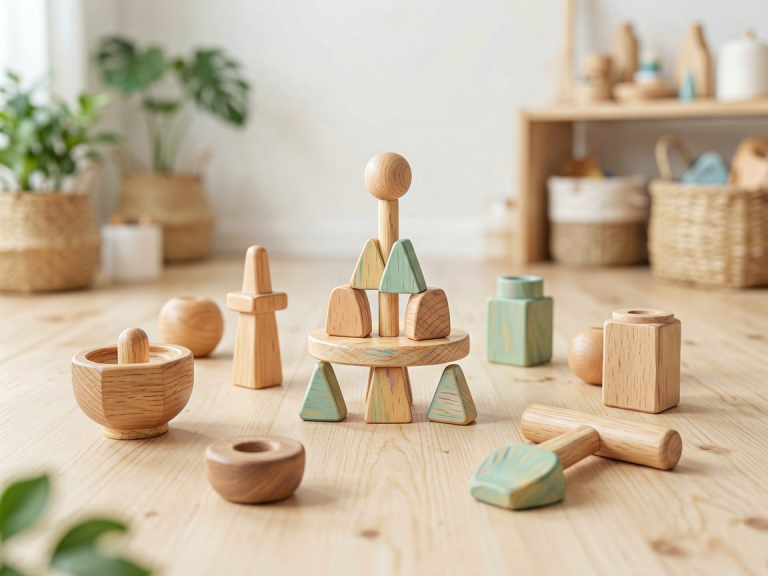
Some caregivers prefer to avoid all synthetic materials. In that case, natural alternatives like bamboo blocks, cork blocks, or unvarnished beech wood blocks can be considered. Bamboo blocks are lighter and smoother than traditional hardwood, and bamboo is a fast-growing, sustainable resource. Cork blocks are incredibly lightweight, spongy, and naturally antimicrobial—ideal for teething babies. They also have a unique texture that is gentle on gums. Unvarnished wooden blocks (often called “natural wood blocks”) are available without paint or sealants, reducing the risk of chemical exposure. They can be lightly sanded to prevent splinters. However, these natural options are often more expensive and less uniform than manufactured alternatives. They may also absorb moisture and stain easily. For families committed to zero-waste or low-toxicity living, these are the best alternatives.
7. Stacking Rings, Nesting Cups, and Interlocking Plastic Blocks
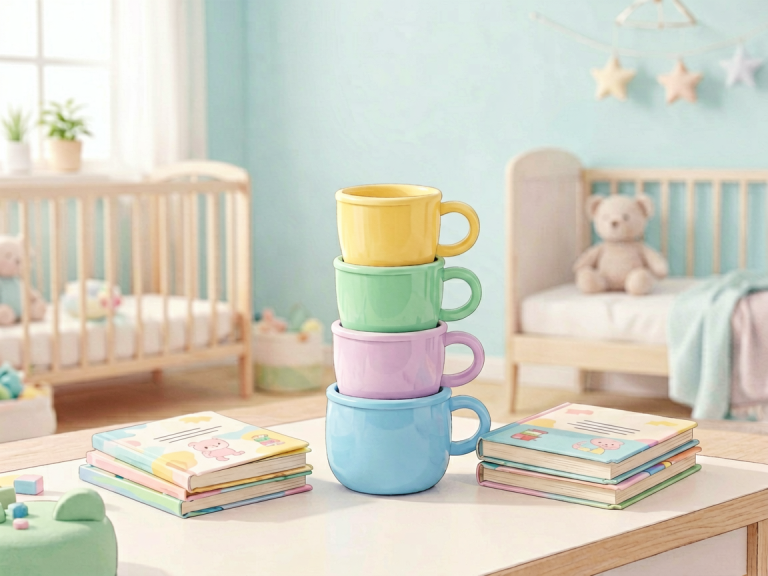
While not technically “blocks,” stacking rings and nesting cups serve a similar developmental purpose. Stacking rings (like the Fisher-Price Rock-a-Stack) teach size seriation and hand-eye coordination. Nesting cups (e.g., from Green Toys) can be stacked, nested, used for sand or water play, and even as makeshift blocks. Interlocking plastic blocks (like Mega Bloks First Builders) are larger than standard LEGO and designed for small hands. They click together with moderate force, offering fine motor practice. Plastic blocks are dishwasher-safe, inexpensive, and widely available. The downside is that plastic can be less eco-friendly, and some babies prefer the natural feel of wood. Nonetheless, for pure versatility and durability, large plastic blocks are a strong contender.
Comparing Different Materials: Safety and Durability
When evaluating alternatives, safety must come first. All materials should be free from BPA, phthalates, lead, and other toxins. Look for certifications such as ASTM, EN71, or CPSIA compliance. Soft fabric blocks should have double-stitched seams to prevent stuffing leakage. Silicone should be food-grade and one-piece molded to avoid choking hazards. Foam should be flame-retardant-free and closed-cell to prevent water absorption. Cardboard must be non-toxic and free from staples or sharp edges. Magnetic blocks require strong, sealed magnets that cannot be accessed even if the plastic cracks. Durability varies: silicone and plastic can last years; foam and cardboard may degrade faster. For families with multiple children, investing in silicone or plastic may be more economical. For those who prioritize natural textures, bamboo blocks are durable but require more care.
How to Choose the Right Alternative for Your Baby’s Age and Stage
Age is the primary factor. For newborns to 6 months, focus on high-contrast soft blocks and silicone teethers that can be grasped and mouthed. From 6 to 12 months, introduce lightweight foam blocks and stacking rings to encourage sitting, reaching, and early problem-solving. Between 12 and 18 months, babies develop the ability to deliberately stack two or three items—cardboard blocks and large magnetic tiles are excellent here. After 18 months, you can introduce smaller plastic interlocking blocks and more complex magnetic sets. Always supervise play, especially with magnetic or small parts. Additionally, consider your baby’s temperament: a child who likes to throw will benefit from soft or foam blocks; a focused builder may prefer the solid feel of bamboo or silicone.
Environmental and Budget Considerations
If sustainability is a priority, opt for bamboo, cork, or recycled plastic blocks. Many silicone brands are now using eco-friendly manufacturing. Fabric blocks can be upcycled from old clothes. On a tight budget, cardboard blocks are virtually free if you reuse shipping boxes. Foam blocks are often sold in large sets for under $30. Magnetic tiles are pricier but offer endless play value. Wooden blocks themselves can be expensive, so alternatives often provide cost savings. Moreover, many alternatives double as bath toys or teethers, reducing the need for separate purchases.
Conclusion
Wooden blocks are a classic, but they are by no means the only option for a baby’s early construction play. The best alternatives to wooden blocks for babies offer a spectrum of textures, weights, and interactive features that can better suit a child’s developmental stage and a family’s lifestyle. Soft fabric blocks provide safe chewing and gentle stacking; silicone blocks combine teething relief with building fun; foam blocks create a risk-free environment for active toddlers; cardboard blocks are economical and eco-friendly; magnetic blocks inspire creativity with instant connections. Natural materials like bamboo and cork appeal to those seeking organic alternatives. Ultimately, the finest alternative is one that engages your baby’s senses, encourages problem-solving, and fits seamlessly into your daily routine. By diversifying the block collection, you give your child a broader foundation for learning—one that is both safer and more stimulating than a single material alone.