Choosing Toys for 9-Month-Olds: A Guide to Fostering Emotional Learning Through Play
Introduction
The ninth month of a baby’s life is a remarkable period of transformation. At this stage, infants are no longer passive observers of the world; they are active explorers, armed with newfound mobility—scooting, crawling, or even pulling themselves up to stand. Their cognitive abilities are blossoming, and perhaps most importantly, their emotional world is becoming richer and more complex. They begin to form strong attachments, express a wider range of emotions, and even show early signs of empathy, such as offering a toy to a caregiver or crying when another baby cries. This makes the ninth month a critical window for nurturing emotional learning.
Yet, many parents and caregivers focus overwhelmingly on cognitive and motor development when selecting toys, overlooking the profound role that play can play in shaping a child’s emotional intelligence. The right toys, chosen with intention, can help a 9-month-old understand their own feelings, build secure relationships, and develop the foundational skills of self-regulation and social connection. This article offers a comprehensive guide on how to choose toys for 9-month-olds with emotional learning as a central priority. By understanding the developmental milestones of this age and the principles behind emotionally supportive play, you can turn everyday toy choices into powerful opportunities for nurturing a balanced, empathetic, and resilient child.
Understanding the Emotional Landscape of a 9-Month-Old
Before diving into toy selection, it is essential to appreciate what emotional learning looks like at nine months. Infants at this age are deeply attached to their primary caregivers, using them as a “secure base” from which to explore. They may show separation anxiety—crying when a parent leaves the room—and stranger anxiety, becoming wary of unfamiliar faces. These are not signs of weakness but rather evidence of a developing emotional bond and a growing awareness of self and others.
Emotionally, a 9-month-old experiences joy, surprise, anger, fear, and sadness, though they have little ability to regulate these feelings independently. They rely on adults to help them manage strong emotions through co-regulation—being held, soothed, or redirected. Toys can support this process by providing safe, predictable, and engaging interactions. For instance, a toy that reacts consistently to the baby’s actions (like a ball that rolls when pushed) gives the infant a sense of agency and control, which builds confidence and reduces frustration. Similarly, toys that invite social interaction—such as a simple puppet—can encourage turn-taking and shared attention, both cornerstones of emotional connection.
Emotional learning at this stage is not about teaching a child to “be happy” all the time. Instead, it is about helping them feel safe expressing their feelings, recognizing that their emotions are valid, and learning that the world is predictable and responsive. Toys are the tools through which these lessons are first experienced.
Principles for Selecting Toys That Promote Emotional Learning
When choosing toys for a 9-month-old with emotional learning in mind, keep the following principles in mind. These guidelines will help you filter out toys that are merely entertaining from those that truly support emotional growth.
1. Prioritize Interaction Over Isolation
Toys that encourage back-and-forth interaction between baby and caregiver are far more valuable for emotional learning than toys that entertain the child in isolation. Electronic toys with flashing lights and sounds may captivate a baby’s attention, but they do not teach the essential give-and-take of human relationships. Look for toys that require you to be part of the play—such as a soft ball you can roll back and forth, a set of stacking cups you can knock down together, or a simple musical instrument like a shaker that you play together. These shared experiences build trust, joy, and a sense of connection.
2. Offer Predictable Cause-and-Effect
A 9-month-old is beginning to understand that their actions have consequences. Toys that provide clear, predictable feedback help the baby feel a sense of mastery. For example, a toy that makes a squeak when squeezed or a rattle that shakes when moved teaches the baby that they can influence their environment. This feeling of efficacy is tied directly to emotional security: when a child knows they can make something happen, they feel less helpless and more confident in exploring the world. On the flip side, avoid toys with unpredictable or overwhelming responses—such as those that suddenly produce loud noises or erratic movements—which can frighten and unsettle a baby.
3. Embrace Simplicity and Open-Endedness
The best toys for emotional learning are often the simplest. A plain wooden block, a soft cloth book, or a set of nesting bowls offer endless possibilities for imaginative and relational play. Open-ended toys allow the baby to set the pace and agenda, which encourages self-directed exploration and decision-making. When a baby chooses which block to pick up or how to stack it, they are practicing autonomy—a key component of healthy emotional development. In contrast, highly structured toys with one “correct” way to use them can lead to frustration and limit creative emotional expression.
4. Incorporate Sensory Richness—But Mindfully
9-month-olds are sensory learners, and toys that engage multiple senses (touch, sight, sound, and even taste) can be emotionally grounding. Soft, plush toys with different textures invite hugging and cuddling, which provide comfort and security. A toy that has a gentle rattle or crinkle sound can be calming when the baby is upset. However, be cautious of overstimulation: too many bright colors, loud noises, or flashing lights can overwhelm a baby’s developing nervous system and trigger irritability or crying. Choose toys with muted, natural colors and gentle sounds for a soothing emotional environment.
5. Support Imitation and Social Scripts
By nine months, babies are beginning to imitate gestures, facial expressions, and sounds. Toys that facilitate imitation—such as a simple baby-safe mirror, a set of plastic cups they see you drink from, or a toy phone—help them practice social roles and understand the emotions behind actions. When you smile at your reflection together or “talk” on the toy phone, you are teaching your baby that emotions are shared and understood. This early scaffolding of social scripts lays the groundwork for empathy and emotional reciprocity.
Types of Toys That Specifically Enhance Emotional Learning
Now let’s discuss concrete categories of toys that align with the principles above, along with explanations of how they support emotional development.
Soft Toys and Comfort Objects
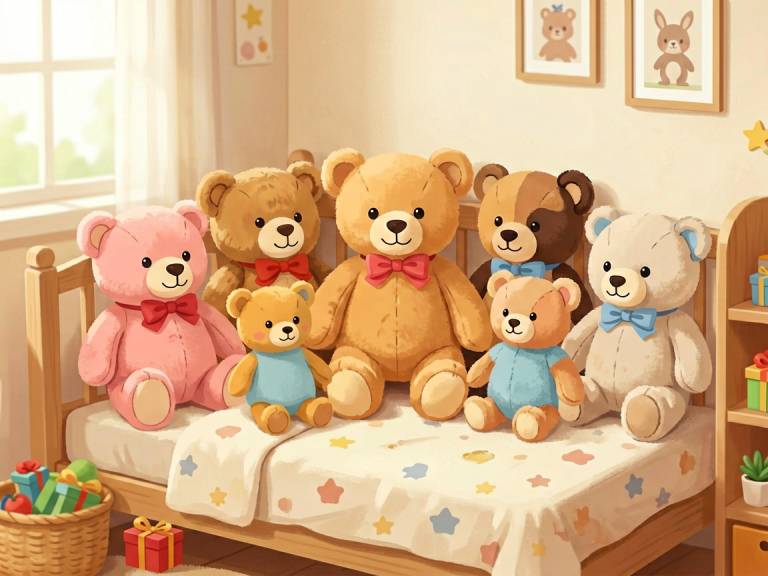
A soft, huggable toy—whether a stuffed animal, a small blanket, or a doll—serves as a transitional object that helps a baby cope with separation. When a caregiver is not present, the baby can hold onto the toy for comfort, learning to self-soothe. A 9-month-old may not yet have the cognitive capacity to “pretend” that the toy is a friend, but they do derive sensory comfort from its texture and familiar smell. Choose a toy that is machine-washable, free of small parts, and large enough not to be a choking hazard. Introduce it during calm times, such as before naps or after feedings, so that the baby associates it with safety and love.
Stacking and Nesting Toys
Stacking rings, nesting cups, or simple wooden blocks are classics for a reason. These toys require the baby to reach, grasp, release, and coordinate—all while engaging with a caregiver who can model excitement, patience, and encouragement. When the baby successfully stacks one ring, your applause and smile reinforce their sense of achievement. When they knock down a tower, your laughter shows that mistakes can be fun and are safe to explore. This back-and-forth emotional exchange teaches the baby that trying and failing are part of learning, building resilience.
Cause-and-Effect Action Toys
Push-and-pull toys (if the baby is already crawling or walking with support), activity boxes with doors that open and close, or simple pop-up toys that spring up when a button is pressed are excellent for emotional learning. The key is to use them interactively: sit with your baby, point to the toy, and narrate the action (“Look! The puppy popped up!”). When the baby presses the button and the toy reacts, you can mirror their surprise and delight. This shared moment of discovery strengthens your bond and helps the baby link positive emotions with their own actions.
Musical Instruments for Two
A simple xylophone, a set of maracas, or a small drum can be wonderful tools for emotional expression. Music naturally evokes emotion, and playing together allows you to attune to your baby’s mood. If they are excited, you can shake the maracas quickly; if they are calm, you can play a slow, gentle rhythm. A 9-month-old cannot yet carry a tune, but they can feel the beat of your voice and movements. Engaging in musical play also teaches turn-taking—you shake, then they shake—which is a precursor to conversational skills and emotional reciprocity.
Soft Books with Faces and Emotions
Board books or cloth books with simple, high-contrast images of faces expressing different emotions (happy, sad, surprised) are invaluable. At nine months, babies are fascinated by faces and can start to recognize emotional expressions. As you read together, point to the face and exaggerate the emotion in your own voice and expression. “Look, the baby is sad. Oh, sad face.” Then offer a hug. This exposure helps your baby develop an emotional vocabulary long before they can speak. Moreover, the closeness of reading—sitting on your lap, hearing your calming voice—creates a secure emotional environment that fosters attachment.
Mirrors (Unbreakable)
A baby-safe mirror—either a floor mirror or one attached to a play mat—invites self-discovery. At nine months, babies begin to recognize that the image in the mirror is themselves, though full self-awareness emerges later. Still, they enjoy looking at their own movements and expressions. Encourage this by making faces together in the mirror—smiling, sticking out your tongue, raising your eyebrows. This playful interaction helps the baby connect facial expressions with emotions and reinforces their sense of self as an active, emotional being.
Practical Tips for Parents and Caregivers
While toy selection is important, how you play with your baby matters even more for emotional learning. Here are actionable strategies to maximize the emotional benefits of any toy you choose.
- Follow the baby’s lead: Pay attention to what captures your baby’s interest. If they seem captivated by the texture of a fabric block, let them explore it fully rather than trying to redirect them to “correct” use. Respecting their choices builds autonomy and emotional confidence.
- Use emotion labeling: As you play, narrate your baby’s emotions and your own. “You’re so happy that the ball rolled!” or “I see you’re frustrated because the cup keeps falling.” This simple habit teaches your baby that feelings have names and are acceptable.
- Keep play sessions short and sweet: A 9-month-old’s attention span is short—often just a few minutes. Watch for signs of overstimulation (turning away, rubbing eyes, fussing) and end the session before your baby becomes overwhelmed. Positive emotional experiences are built on brief, joyful interactions.
- Incorporate comfort and connection: After an exciting toy session, take a moment for calm connection—cuddling, singing a lullaby, or simply holding your baby. This helps them integrate the emotional arousal from play and return to a balanced state.
- Avoid commercial pressure: Toy aisles are filled with products claiming to “boost IQ” or “accelerate development.” Remember that the most expensive, high-tech toy is no substitute for your presence, your voice, and your attention. Emotional learning thrives in the context of relationship, not technology.
Conclusion
Choosing toys for a 9-month-old is far more than a shopping expedition—it is an act of intentional emotional education. By selecting toys that foster interaction, predictability, sensory comfort, and social imitation, you are laying the foundation for a child who feels safe, understood, and capable of navigating a full range of emotions. Soft toys become anchors of comfort; stacking cups become lessons in persistence and joy; mirrors become windows into the self. Most importantly, the way you play—with warmth, attunement, and responsiveness—turns every toy into a vehicle for love and emotional growth.
As your baby grows, the toys will change, but the core principle remains: emotional learning is not a separate goal from play; it is the heart of play itself. By prioritizing emotional connection in your toy choices, you are giving your child the greatest gift of all—the ability to feel, to trust, and to connect. And that is a skill that will serve them for a lifetime.