To Buy or Not to Buy: A Comprehensive Guide on Magnetic Tiles for Preschoolers
—
1. Introduction: The Dilemma of Modern Parenting
Walk into any preschool classroom or scroll through a parenting forum, and you will inevitably encounter the colorful, geometric world of magnetic tiles. These translucent, magnetized building pieces have become a staple in early childhood education and home playrooms. But as a parent, you might find yourself asking: *Should I buy magnetic tiles for my preschooler?*
The answer is not a simple yes or no. It depends on your child’s developmental stage, your family’s budget, your educational philosophy, and even your tolerance for small parts scattered across the living room floor. This article will walk you through every angle—benefits, risks, costs, and alternatives—so you can make an informed, confident decision.
—
2. The Educational and Developmental Benefits of Magnetic Tiles
2.1 STEM Learning in Disguise
Magnetic tiles are often marketed as “STEM toys,” and for good reason. When a three-year-old connects a square to a triangle to form a roof, they are intuitively exploring geometry, symmetry, and balance. Older preschoolers can experiment with magnetism itself—discovering that opposite poles attract and like poles repel. This hands-on experience lays a foundation for future science and math concepts.
2.2 Fine Motor Skills and Hand-Eye Coordination
Manipulating the tiles requires precise finger movements: pinching, aligning, and pressing. For a child who is still mastering the pincer grasp, magnetic tiles offer a low-frustration way to practice. Unlike traditional blocks that can topple easily, the magnets provide a “snap” that gives immediate feedback, encouraging persistence and precision.
2.3 Creativity and Imaginative Play
Magnetic tiles are open-ended. One day they become a castle for a princess; the next, a spaceship bound for Mars. They can be combined with other toys—tiny dolls, animal figurines, or even loose parts—to extend narratives. This type of unstructured play is crucial for cognitive flexibility and problem-solving.
2.4 Spatial Reasoning and Early Engineering
Building a 3D structure from a 2D mental image requires spatial visualization. Research shows that early spatial skills predict later success in STEM fields. By stacking tiles into towers, bridges, or enclosures, preschoolers develop an intuitive understanding of gravity, load distribution, and structural integrity.
2.5 Social and Cooperative Skills
When siblings or friends play together, magnetic tiles naturally encourage collaboration. “You hold the base while I put the roof on,” teaches negotiation, turn-taking, and shared goal-setting. This social dimension is especially valuable for only children or those who need extra practice in group dynamics.
—
3. Safety Considerations for Preschoolers
3.1 Age Recommendations and Choking Hazards
Most magnetic tile sets come with a clear label: “Ages 3 and up.” Why? Because the tiles themselves are large enough to avoid choking (typically 2–3 inches across), but the small magnetic components inside can become exposed if a tile cracks or is chewed. For children under three who still mouth objects, this poses a risk. If your child is a determined chewer, wait until they are older or supervise closely.
3.2 Magnet Strength and Ingestion
Not all magnets are equal. High-quality magnetic tiles use neodymium magnets encased in plastic. If a child swallows two or more magnets, they can attract each other through intestinal walls, causing life-threatening perforations. This is rare, but it underscores the importance of buying from reputable brands that rigorously test their products. Avoid cheap knock-offs with loose magnets.
3.3 Durability and Material Safety
Look for tiles made from non-toxic, BPA-free, phthalate-free plastic. Premium brands like Magna-Tiles, PicassoTiles, or Connetix use food-grade ABS plastic that withstands drops and tumbles. Check for sharp edges or cracks after rough play. Also, be aware that some tiles have a slight smell out of the box—air them out before use.
3.4 Supervision Tips for Peace of Mind
Even with a safe product, active supervision is wise. Teach your child that tiles are for building, not for throwing or biting. Regularly inspect each tile for damage. Store them in a closed container out of reach of younger siblings. These simple habits can prevent accidents without stifling fun.
—
4. Cost vs. Value Analysis
4.1 Price Range and Starter Sets
A basic set of 32–50 magnetic tiles costs between $30 and $60. Larger sets with 100+ pieces can run $80–$150. That is not cheap, but consider the cost per play hour. Many preschoolers play with magnetic tiles for months or even years, far outlasting plastic action figures or single-use craft kits.
4.2 Longevity and Expansion Options
One of the hidden values of magnetic tiles is their ability to grow with your child. A toddler might simply stack them vertically. At age four, they build houses. By age six, they create complex geometric patterns or even marble runs (if you buy expansion packs). Some brands are compatible across generations, so you can add more tiles over birthdays or holidays.
4.3 Comparing with Other Building Toys
Wooden blocks are cheaper (a set of 100 costs about $20–$40) but lack the magnetic “stickiness” that makes tile construction easier for small hands. LEGO Duplo blocks offer similar open-ended play but at a higher price per piece and with a weaker spatial connection to geometry. Magnetic tiles fill a unique niche: they are simpler than LEGO (no sticking pieces together with force) but more dynamic than blocks.
4.4 The Second-Hand Market
If budget is tight, check second-hand marketplaces like Facebook Marketplace or eBay. Used magnetic tiles often retain their magnetic strength and can be cleaned with mild soap and water. Just be sure to inspect condition and confirm the brand to avoid counterfeit safety issues.
—
5. Potential Drawbacks to Consider
5.1 Limited Variety of Play
Some parents worry that magnetic tiles offer a narrow range of outcomes—mostly buildings and flat patterns. Compare this to a box of mixed blocks, which can become a boat, a bridge, or a fort. In reality, magnetic tiles are surprisingly versatile when combined with other toys, but if your child craves highly thematic playsets (e.g., a fire station with a slide), they may lose interest quickly.
5.2 Over-Reliance on Structure
Because the magnets hold everything together, some argue that magnetic tiles remove the challenge of balancing that traditional blocks provide. There is truth to this: a tile tower rarely falls unless you deliberately knock it over. For developing fine motor control and cause-and-effect reasoning, blocks may be more effective. A balanced toy box should include both.
5.3 Storage and Mess
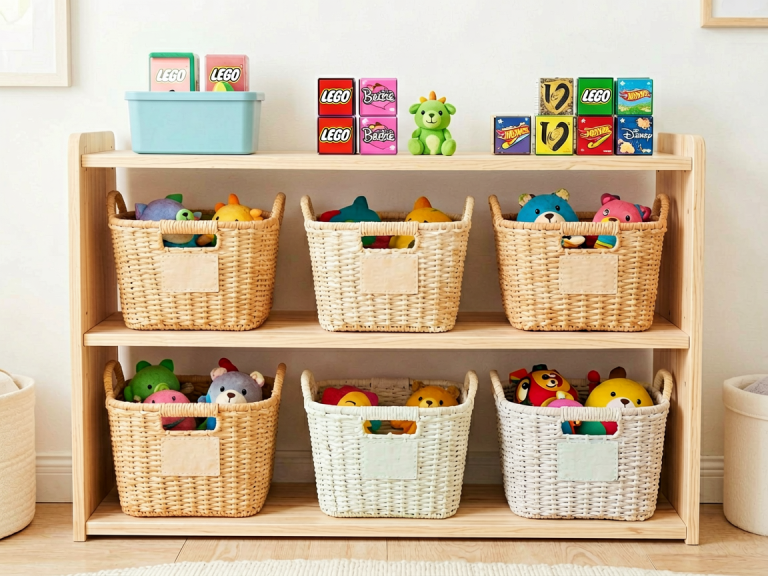
Magnetic tiles are pleasingly stackable (they stick together), so storage is easier than with many toys. However, they are bulky. A standard 100-piece set occupies about the same space as a large shoebox. If you have limited shelf space, this could be a factor. Also, tiles can slide off a table and onto the floor, creating a tripping hazard. Teach your child to put them away after each session.
5.4 The “Compatibility Trap”
Not all magnetic tiles are compatible. Magna-Tiles have a specific magnet layout (vertical stripes), while PicassoTiles use a different pattern. If you mix brands, some tiles may not attract properly, frustrating a young builder. Stick to one brand or confirm compatibility before expanding your collection.
—
6. Alternatives to Magnetic Tiles
6.1 Classic Wooden Blocks
Simple, timeless, and inexpensive. Wooden blocks require more careful balancing and are excellent for developing patience and spatial judgment. They also encourage heavier, more stable construction. Downsides: no magnetic effect, less colorful, and can be noisy when knocked over.
6.2 LEGO Duplo
These larger LEGO bricks are designed for toddlers and preschoolers. They offer endless creative possibilities, plus the ability to incorporate minifigures and themed sets (e.g., a farm, a train). The downside is that connecting and disconnecting requires more hand strength, which can frustrate younger children. Duplos are also pricier per piece than magnetic tiles.
6.3 Foam Building Blocks
Soft, lightweight, and safe for even the youngest children. Foam blocks are great for sensory play and early stacking, but they lack the precision and magnetized appeal that older preschoolers enjoy. They also wear out faster.
6.4 Cardboard or Recycled Materials
For the budget-conscious, nothing beats creativity with cardboard boxes, paper towel rolls, and tape. This promotes fine motor skills and environmental awareness, but it requires more parental setup and lacks the immediate satisfaction of a magnetic click.
—
7. Conclusion: Making the Right Choice for Your Family
So, should you buy magnetic tiles for your preschooler? The answer leans toward yes—provided your child is at least three years old, you choose a reputable brand, and you are prepared to supervise during play. The developmental benefits in STEM, fine motor skills, creativity, and social interaction are substantial and well-documented.
But no single toy is a magic bullet. Magnetic tiles shine brightest when used as part of a diverse play diet that includes blocks, art supplies, dramatic play props, and outdoor exploration. If your budget allows, a basic starter set is a valuable investment that can engage your child for years. If money is tight, start with classic blocks and add magnetic tiles later as a special gift.
Ultimately, the best toy is the one that sparks your child’s curiosity and invites them to build, imagine, and learn—one colorful tile at a time.