Beyond Tiny Pieces: The Best Alternatives to Small Parts Toys for Safe and Engaging Play
Introduction: Why Look Beyond Small Parts Toys?
Small parts toys—those beloved sets of tiny beads, miniature figurines, and intricate building blocks—have long been staples of children’s playrooms. They promise hours of fine motor skill development, creative construction, and imaginative storytelling. Yet for parents, caregivers, and educators, these toys also carry a persistent shadow of anxiety: the choking hazard. According to the U.S. Consumer Product Safety Commission, thousands of children under the age of four are treated in emergency rooms each year for injuries related to small parts toys. The official "small parts test cylinder" (a 1.25-inch diameter tube) is the standard gauge: if a toy or any of its detachable pieces can fit inside, it is deemed unsafe for children under three.
But the solution is not to eliminate the developmental benefits that small parts toys offer. Instead, it is to seek out best alternatives that preserve—and often enhance—the learning, creativity, and engagement that children crave, while eliminating the risks. The following alternatives are carefully curated to suit different ages, interests, and developmental stages. They are large enough to be safe, yet rich enough to captivate young minds. Each category below provides not only a substitute but a genuine upgrade in play value.
Large Building Blocks and Construction Sets
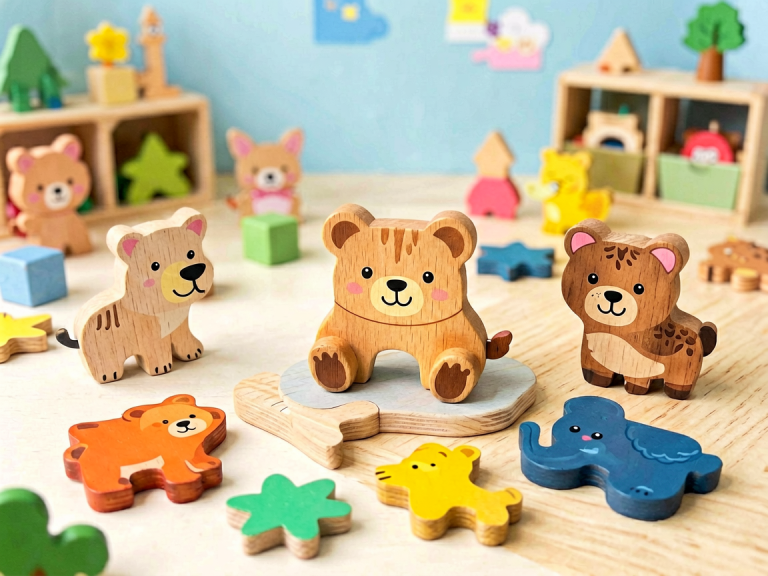
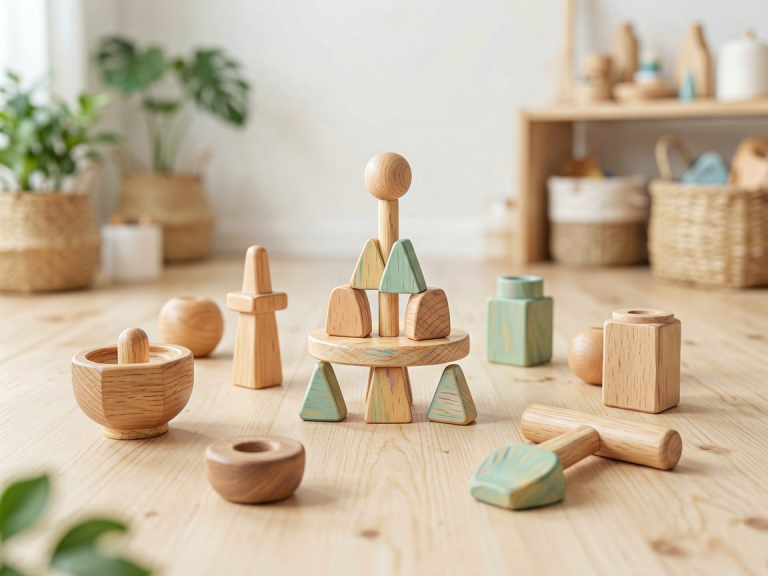
One of the most obvious and effective alternatives to tiny building bricks is the world of oversized building blocks. Unlike the tiny, snap-together plastic bricks that can disappear into a toddler’s mouth, large blocks are designed to be grasped, stacked, and knocked down with confidence. Foam blocks, cardboard bricks, and lightweight wooden planks all offer the same spatial reasoning and engineering lessons as their smaller counterparts, but without the hazard.
For example, Mega Bloks First Builders are specifically designed for tiny hands. Their chunky size (each block measures roughly 2.5 inches wide) makes them impossible to swallow, yet they can be connected and stacked to create houses, towers, and vehicles. Similarly, Duplo (the larger cousin of Lego) uses pieces that are four times the size of standard Lego bricks, making them perfectly safe for children aged 18 months to 5 years. These sets still allow for complex construction: bridges, animals, trains, and even simple machines. The cognitive benefits—problem-solving, hand-eye coordination, and understanding of balance—are identical to those of small-parts blocks.
Another excellent option is cardboard brick sets, such as those from Imagination Play. These lightweight, hollow bricks can be built into life-sized forts and castles. Children can walk inside their creations, which adds a new dimension of gross motor activity. The tactile feedback of cardboard is also gentler on floors and furniture, and the sets are eco-friendly. For parents who worry about the mess, large blocks are far easier to clean up than hundreds of tiny pieces scattered across a carpet.
Sensory Play with Safe Textures and Tools
Sensory play is a cornerstone of early childhood development, yet many sensory kits contain small items like beads, sequins, or tiny plastic animals. Fortunately, there are outstanding alternatives that focus on large-scale sensory materials. Consider sensory bins filled with kinetic sand (which is non-toxic and clumps together, reducing dust and mess) combined with oversized scoops, trucks, and plastic molds. The sand itself is heavy and does not disperse into tiny particles that could be inhaled or ingested. Children can dig, shape, and bulldoze for hours, exploring texture, pressure, and cause-and-effect.
Another safe sensory favorite is water beads—but only those that are large enough to be non-choking hazards. Standard water beads are the size of marbles when hydrated, which still poses a risk for mouthing toddlers. Alternatives include jumbo water beads (up to 1.5 inches in diameter) which are too big to swallow but still provide the satisfying squishy, bouncy experience. Pair them with large ladles, colanders, and plastic bowls for a full sensory experience.
For a no-mess sensory alternative, try silicone sensory boards or busy boards. These flat, child-safe boards are covered with flaps, zippers, buttons, and latches that are all securely attached with no small parts that can break off. Unlike traditional busy boards that sometimes include tiny beads on wires, these are designed with a single-piece construction or large, fixed components. Brands like Montessori Busy Board offer versions with locks, gears, and switches that improve fine motor skills without any risk of detachable pieces.
Art and Craft Alternatives: Chunky Tools and Large Surfaces
Arts and crafts often involve small items like glitter, beads, googly eyes, or tiny scissors. For younger children, these can be replaced with chunky art supplies that are safe and equally creative. Large jumbo crayons (often egg-shaped or triangular, designed for easy grip) are perfect for toddlers. They are too thick to break into small pieces and non-toxic if chewed. Similarly, washable dot markers (with wide tips) allow children to create art without mess or choking risk—the markers are sealed, and the ink is food-grade.
Play dough is another classic that often comes with small plastic cutters. Instead, use oversized cookie cutters (at least 3 inches across) and large rolling pins. Children can press, roll, and stamp without any parts that could be swallowed. For added fun, consider homemade dough in large batches, colored with natural food dye. The tactile experience of kneading and shaping dough is excellent for hand strength and creativity.
Easel painting with jumbo paintbrushes and large sheets of paper (or even reusable water painting mats) eliminates the need for tiny paint pots or small brushes. Children can stand, move their whole arm, and create without concern. The focus shifts from fine motor precision to gross motor expression, which is developmentally appropriate for younger children.
Role-Play and Pretend Play with Oversized Props
Dramatic play is vital for social-emotional development, but many play sets (like miniature kitchen sets or dollhouses) include tiny plates, utensils, or furniture. The best alternatives are life-sized or large-scale play props. A child-sized play kitchen with chunky wooden food pieces (such as a wooden apple that is about 3 inches in diameter, a steak that is a solid 5-inch piece) allows children to cook, serve, and pretend without risk. Brands like Melissa & Doug offer "sliceable" wooden fruits and vegetables that are held together with Velcro—each piece is large enough to be safe, yet the "cutting" action provides fine motor practice.
Another wonderful option is dress-up costumes with large, secure accessories. Instead of tiny plastic tiaras or small necklaces, choose soft fabric hats, capes, and adult-sized shoes. For example, a firefighter costume might include a large plastic helmet (no small parts) and a thick, soft hose. Children can engage in elaborate role-play scenarios without the worry of swallowing a plastic buckle or a detachable badge.
Puppets are another excellent alternative. Hand puppets with large heads and no small glued-on eyes (opt for stitched or painted features) allow children to create dialogues, express emotions, and build narrative skills. The puppets themselves are single pieces, and the child’s hand inside provides the movement. This is far safer than finger puppets or tiny marionettes with small control strings.
Outdoor and Active Play: Moving Beyond Tiny Toys
Sometimes the best alternative to indoor small parts toys is simply taking play outdoors. Large-scale outdoor equipment naturally avoids small parts. Sand and water tables with oversized scoops and buckets, tricycles and balance bikes, large playground balls (at least 8-10 inches in diameter), and climbing structures all promote gross motor development, coordination, and sensory exploration. They are inherently free of choking hazards because their components are too large to be dangerous.
Consider also giant building sets for the backyard, such as GIANT Stacking Logs (made from soft, durable foam) or Bilibo (a hollow, shell-shaped toy that can be used as a seat, a rocking toy, or a water scooper). These single-piece, large-form items encourage creative physical play without any small accessories.
For a quieter outdoor activity, sidewalk chalk in chunky sticks is a wonderful alternative to indoor drawing tools. Children can draw on driveways, patios, or sidewalks, using large arm movements. The chalk crumbles into dust, not small parts, and is non-toxic. Similarly, bubble wands with large loops (instead of tiny bubble bottles with small wands) provide endless entertainment without choking hazards.
The Lifespan and Value of Large Alternatives
One final consideration many parents overlook is the longevity of toys. Small parts toys often have a very short useful lifespan: once a child outgrows the mouthing stage, they may still enjoy them, but the pieces frequently get lost, creating frustration and incomplete sets. In contrast, large alternatives tend to be more durable. A set of large foam blocks can be used from age one through early elementary years, and then passed down to siblings or donated. Dress-up capes, giant building planks, and outdoor equipment remain relevant for years, adapting to different play scenarios.
Moreover, large-scale play encourages social interaction more effectively than solitary small-parts play. Two children can easily collaborate on a giant block tower, a sensory bin, or a puppet show. The absence of tiny pieces means less squabbling over missing components and more focus on cooperative creativity. For parents, the cleanup is faster, and the peace of mind is invaluable.
Conclusion: Play Without the Pause
The journey to find the best alternatives to small parts toys is not about depriving children of valuable learning experiences. It is about reimagining play so that the only risks are scraped knees and messy hands—never the silent danger of a swallowed piece. From oversized building blocks and sensory bins with jumbo beads to life-sized kitchen props and outdoor adventure equipment, the alternatives are abundant, engaging, and developmentally rich. They invite children to explore with their whole bodies, to create without limits, and to play without the constant vigilance that small parts demand. In the end, the best alternative is one that lets both the child and the caregiver breathe easy, laugh freely, and build memories that are big—in every sense of the word.