The Gift of Less: Why Overbuying Holiday Toys for 8-Year-Olds Does More Harm Than Good
Every December, parents around the world find themselves knee-deep in wrapping paper, stray batteries, and plastic packaging, having succumbed to the same seasonal temptation: buying far too many toys for their 8-year-old. The holiday season, with its relentless advertising, store displays, and peer-pressure-laden "wish lists," transforms normally rational adults into overbuying machines. The result? A living room that looks like a toy store exploded, a child who is overwhelmed rather than grateful, and a mountain of soon-forgotten plastic. While it feels loving to shower an 8-year-old with gifts, the evidence from child development, psychology, and even simple family dynamics suggests that overbuying holiday toys is not just wasteful—it is actively harmful. This article explores why we overbuy, what an 8-year-old truly needs, and how to shift toward a more meaningful gift-giving tradition.
The Lure of the Holiday Haul
Why do we buy so much? For many parents, the holiday season triggers a deep-seated desire to compensate for their own childhood scarcities, or to match the perceived generosity of other families. The toy industry spends billions on marketing aimed directly at children, and 8-year-olds are at a uniquely vulnerable age. They are old enough to articulate precise desires—the latest action figure, the viral robot, the branded board game—but not yet mature enough to understand marketing manipulation. When a child says, "Everyone else is getting one," parents feel a primal fear of social exclusion for their child. Add to that the guilt of working parents who are away all year, and the holiday becomes a clumsy apology gift. Retailers exploit this by creating a frenzy of "limited time" deals and doorbuster sales, turning acts of love into a competitive sport. The pattern is self-reinforcing: the more we buy, the more we normalize overbuying, and the more we feel that a smaller pile of gifts signals inadequate parenting.
What an 8-Year-Old Actually Needs
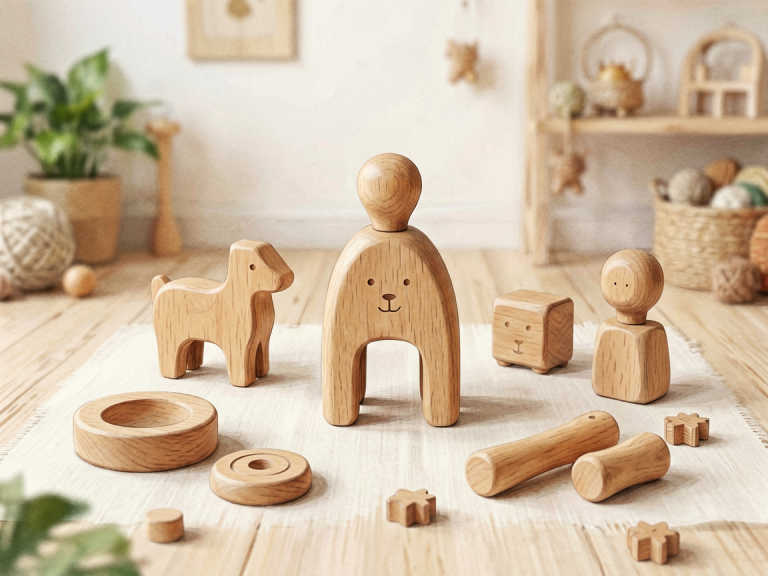
At age 8, children are in a remarkable developmental phase. They are gaining independence, forming strong peer relationships, and developing complex logical and creative thinking. They do not need dozens of new possessions to support this growth. In fact, they need four things that money cannot buy: time, attention, autonomy, and unstructured play. An 8-year-old thrives when given space to invent games, build forts, draw intricate worlds, or simply talk with a trusted adult. The classic open-ended toys—LEGO sets, art supplies, a good-quality soccer ball, a collaborative board game—serve these needs far better than any pile of trend-driven plastic gadgets. Overbuying, in contrast, works against development. When a child is handed twenty-five wrapped boxes on a single morning, their brain goes into sensory overload. They tear open one gift, glance at the next, and soon cannot recall what they received. The deep joy of anticipation and discovery is flattened into a blur of acquisition. Much better is the curated approach: three or four thoughtfully chosen gifts, each of which can be fully appreciated, explored, and cherished. An 8-year-old does not have an internal calculator measuring the price tag; they measure love in the moments of focused play and shared laughter that follow the unwrapping.
The Psychological Cost of Overabundance
Psychology offers a stark warning about the effect of too many toys. A well-known 2017 study from the University of Toledo found that toddlers with fewer toys played with each one more creatively and for longer periods, while those with many toys flitted from item to item and engaged in less imaginative play. Though the study was done with toddlers, the principle applies equally to 8-year-olds. When a child has a glut of new toys, they learn a damaging habit: quick stimulation, fast boredom, and an endless craving for novelty. This is a recipe for diminished attention spans and a reduced capacity for gratitude. Overbuying also teaches children that material possessions are the primary language of love and celebration. A child who receives a mountain of gifts every year begins to expect it, and the following year’s anticipation becomes an entitlement rather than a delight. Even worse, the child may internalize the message that their worth to their parents is measured by what is spent on them. Conversely, when a child receives fewer gifts, they are forced to engage thoughtfully with what they have. They invent, they reuse, they repair, they share. They learn that joy does not require a new box. That is a lesson worth far more than any toy.
The Environmental and Financial Toll
Overbuying is also a quiet catastrophe for the household budget and the planet. The average family in the United States spends over $500 per child on holiday gifts annually, and a significant portion of that money goes toward toys that are forgotten by mid-January. Many of these toys are made of non-recyclable mixed plastics, packaged in layers of cardboard and shrink-wrap, and shipped across the globe before being discarded. According to environmental groups, the holiday season generates 25% more waste than the rest of the year, and toys are a major contributor. For an 8-year-old, the abstract concept of "save the planet" becomes concrete when they see that their overflowing toy bin has more items than they can name. By overbuying, parents are also modeling unsustainable consumerism. They are teaching their child that needs are infinite and that resources are unlimited—a dangerous mindset for the climate era. Financially, the overbuying habit can cause real stress in January, when credit card bills arrive. That stress filters down to the child, who senses tension despite the glitzy holiday photos. A smaller, more deliberate gift list is a gift of planetary and financial sanity to the entire family.
A New Tradition: Curation Over Quantity
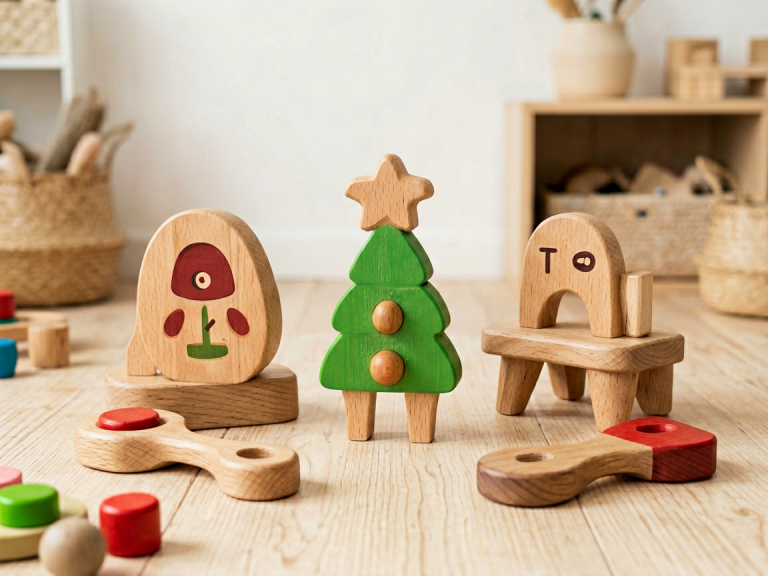
How can a family break the overbuying cycle without disappointing an 8-year-old? The answer lies in changing the framework of the holiday. Start with a conversation in early December. Sit down with your child and explain that this year, the family is choosing gifts that are "special and long-lasting" instead of "many and forgettable." Make a list of three categories: something they want, something they need, something to read, and something to share. This keeps the gift count around four, each with intention. Involve the child in the selection process—let them research, compare, and narrow down their own wish list. This turns the holiday into a lesson in decision-making and prioritization. Extend the holiday beyond the gift pile by building new rituals: baking cookies, watching a special movie, playing a family game, or volunteering together. An 8-year-old may initially protest the smaller haul, but within minutes of unwrapping a truly desired gift, they will forget the missing pile. Parents can also implement a "one in, one out" rule: for every new toy that enters the house, an old one departs to donation. This keeps the home clutter-free and teaches an invaluable lesson about circulation and generosity. Over years, the child will come to expect a curated, meaningful holiday—and will treasure those gifts far more than any avalanche of plastic.
Conclusion
Overbuying holiday toys for 8-year-olds is a well-meaning but deeply misguided tradition. It stems from love, yet it delivers harm: overwhelmed children, underdeveloped play, financial strain, and environmental waste. An 8-year-old does not need a mountain of gifts; they need presence, purpose, and playfulness. By consciously choosing fewer, better gifts, and by surrounding those gifts with family rituals and attention, parents can give their child something far more precious than any trend-driven toy: the ability to find joy in the ordinary, to care for what they own, and to understand that love is not measured in boxes under a tree. This holiday season, let us give our 8-year-olds the gift of less—and in doing so, give them the room to grow.