The Perils of Fragile Playthings: Common Toy Buying Mistakes That Lead to Easily Broken Toys
Every parent, grandparent, or gift-giver has experienced the sinking feeling that comes when a brand-new toy shatters, cracks, or stops working within days—sometimes even hours—of its unwrapping. The disappointment on a child’s face, the waste of money, and the nagging sense of having made a poor purchasing decision are all too familiar. Yet despite these experiences, many consumers continue to fall into the same traps when selecting toys. The problem is not merely that some toys are poorly made; it is that buyers frequently make preventable mistakes that prioritize price, appearance, or impulse over durability. Understanding these errors is the first step toward choosing toys that can withstand the rigors of real play. This article explores the most common toy buying mistakes related to purchasing toys that break easily, offering practical insights to help you spend your money wisely and keep children happily engaged for longer.
The Allure of Cheap Materials and Poor Construction
One of the most widespread mistakes in toy buying is succumbing to the temptation of rock-bottom prices without examining the quality of materials. Retail shelves are filled with enticingly inexpensive toys made from thin, brittle plastic, flimsy cardboard, or poorly glued components. These items often look appealing in their packaging, but the first time a toddler drops them or a preschooler pushes a button too vigorously, the structural weakness becomes painfully obvious. The trouble is that cheap materials are not built for the dynamic, sometimes rough, nature of childhood play. Low-grade plastic can crack under minimal stress; thin metal parts can bend or snap; and weak adhesive joints separate after only a few uses. While saving a few dollars in the short term might seem smart, the actual cost per minute of play is often far higher than that of a sturdier, slightly more expensive toy. Furthermore, buying multiple cheap replacements over time can quickly exceed the price of one durable version. The key lesson here is to resist the low-price lure and instead examine a toy’s material composition—look for thick plastics, reinforced seams, and quality fasteners.
Ignoring Age Appropriateness and the Intensity of Play
Another frequent error involves disregarding the recommended age range on toy packaging, especially when buying gifts for children whose developmental stage doesn’t match the toy’s intended use. A toy designed for a five-year-old may be too delicate for the strength and curiosity of a two-year-old, who is more likely to pull, twist, and drop it. Conversely, giving a toy meant for older children to a younger child often results in broken parts, frustrated tears, and potential safety hazards. But the mistake runs deeper than just ignoring labels. Many buyers fail to consider the *style* of play a child engages in. A child who tends to build elaborate structures and then knock them down will need toys that endure impact; a child who loves to take things apart and reassemble them needs robust connectors and hinges. By ignoring these behavioral nuances, buyers end up with toys that are simply not built to withstand the specific forces that young owners will apply. The smart approach is to watch how a child plays before buying, and to choose toys that are explicitly tested for durability at that child’s typical activity level.
Overlooking Reviews, Brand Reputation, and Safety Certifications
In the age of online shopping, many people still purchase toys based solely on attractive product photos and brief descriptions, neglecting to read user reviews or investigate brand track records. This is a critical mistake. Honest reviews often reveal hidden flaws: “Broke on the first day,” “Pieces don’t fit together,” “The wheels fell off after two rolls.” Such feedback is gold for avoiding fragile toys. Similarly, well-known, reputable toy brands tend to invest more in research, development, and quality control, meaning their products are generally less likely to shatter under normal play. However, even big brands can release duds if they cut corners on a particular product line. Therefore, cross-referencing multiple review sources and checking for safety certifications (like ASTM F963 in the U.S. or CE marking in Europe) is essential. These certifications often indicate that the toy has undergone rigorous testing for mechanical and physical properties, including drop tests and stress tests. Another mistake is ignoring warranty and return policies. A toy that comes with a satisfaction guarantee or a generous return window is more likely to be backed by a manufacturer confident in its durability. Relying on flashy marketing alone is a recipe for buying breakable junk.
The Trap of Aesthetic Appeal Over Functional Durability
It is human nature to be drawn to toys that look beautiful, trendy, or highly detailed. Yet this aesthetic appeal can blind buyers to functional weaknesses. Toys with intricate moving parts, excessive small pieces, or delicate paint jobs often break because they were designed for display rather than active play. For example, a battery-operated race car covered in glossy decals and tiny mirrors may look spectacular on the shelf, but when it crashes into a wall (as intended), those decorations may shatter, and the complex internal gears may jam. Similarly, action figures with elaborate accessories tend to lose or break those extras quickly, leaving the core toy incomplete and less engaging. The mistake is forgetting that a toy’s primary purpose is to be *used*, not merely to be seen. When evaluating a toy, consciously shift focus from what it looks like to what it will endure. Bend the plastic if possible, shake the package, test the joints, and consider whether the design includes any weak points. Durable toys often have simpler, more robust designs that sacrifice some aesthetic flourish for longevity.
The Consequences of Buying Breakable Toys
The errors described above do not simply waste money; they have ripple effects that impact children’s emotional well-being and learning. A toy that breaks quickly can cause intense frustration, especially for young children who do not yet understand the concept of “fragile.” They may feel guilt as if they broke it themselves, or anger at the toy for not fulfilling its promise. This undermines the joy of play and can even discourage creativity and persistence, as children learn that trying to use an object in an inventive way leads to its destruction. From a financial perspective, constantly replacing broken toys leads to a cycle of spending that could be better allocated toward high-quality, long-lasting items. Additionally, broken toys often become clutter—junk that cannot be donated, takes up space, and may even pose safety risks (sharp edges, small swallowed pieces). The environmental cost is also significant: cheap, broken toys quickly end up in landfills, contributing to plastic pollution. Recognizing these consequences should motivate buyers to stop and think before making a purchase.
How to Make Smarter Toy Purchases
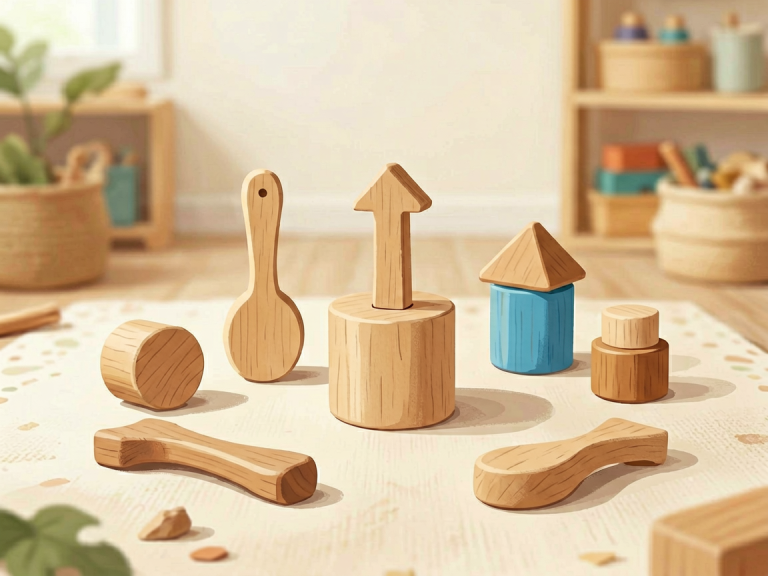
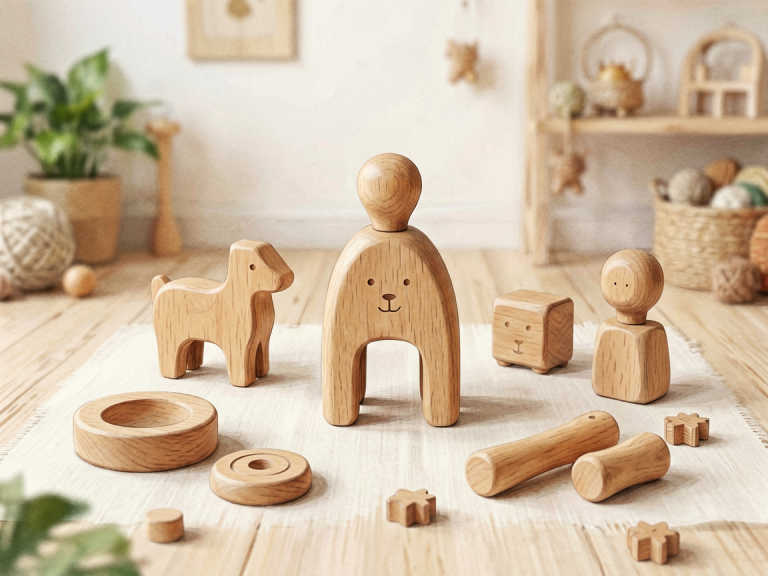
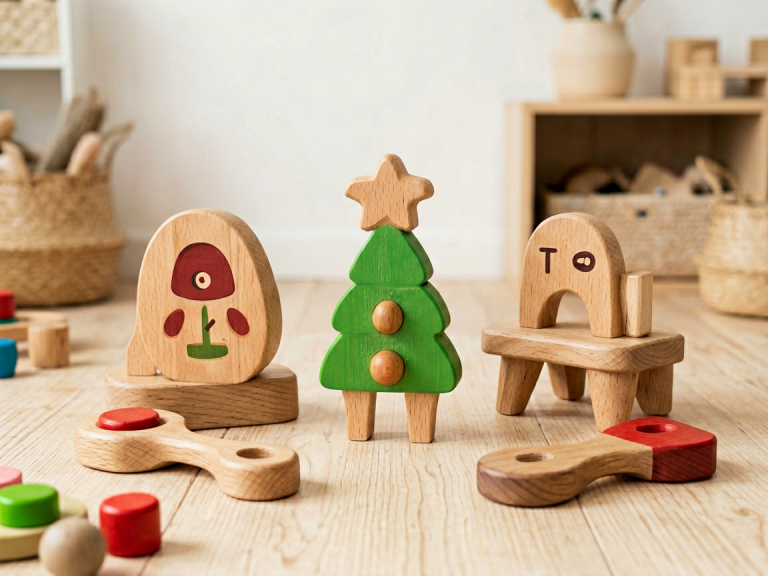
Avoiding the mistakes outlined above requires a deliberate shift in mindset. First, prioritize durability by researching materials and construction before buying. Opt for toys made from solid wood, thick ABS plastic, or high-quality metal; avoid thin, hollow plastic shells and toys that rely solely on glue. Second, always check the age rating and read multiple reviews specifically mentioning breakage. Third, consider the child’s play personality—if they love launching toys into the air, choose ones built for dynamic motion. Fourth, resist the urge to buy based on novelty or appearance alone; ask yourself, “Will this still hold up after 100 uses?” Fifth, invest in brands with proven track records for durability, even if they cost a bit more. Sixth, embrace open-ended toys like building blocks, magnetic tiles, or simple dolls that can withstand rough handling and encourage creative play without fragile electronic components. Seventh, teach children proper care for toys, but also accept that some wear is inevitable—choose toys that age gracefully. Finally, if a toy does break, report it to the manufacturer; feedback can improve future designs.
In conclusion, the problem of easily broken toys is largely preventable. By recognizing common mistakes—prioritizing low cost, ignoring age appropriateness, neglecting reviews, and falling for aesthetic dazzle—consumers can make smarter choices that save money, reduce frustration, and provide children with toys that last. Durability is not an afterthought; it is a central quality that determines whether a toy becomes a cherished companion or a heap of disappointment. The next time you reach for a toy, pause and think about what will happen after the first crash. Choose wisely, and both your wallet and your child will thank you.