The Ultimate Parent Guide to Buying Action Figures for 18-Month-Olds: Safety, Development, and Fun
As your little one approaches the exciting milestone of 18 months, the world of toys becomes a vibrant landscape of discovery. At this age, toddlers are no longer passive observers; they are active explorers, eager to grab, mouth, shake, and investigate everything within reach. Among the many toy options available, action figures – those small, poseable characters that have captured the imaginations of children for generations – might seem like a natural choice. But buying action figures for an 18-month-old is not as simple as picking the coolest superhero off the shelf. This guide is designed to help parents navigate the unique challenges and opportunities of selecting safe, developmentally appropriate action figures for toddlers who are just beginning to engage in pretend play. We will explore everything from critical safety regulations to the surprising cognitive and motor benefits these toys can offer, ensuring that your purchase leads to joyful, enriching playtime rather than worry or accidents.
Understanding the Unique Needs of an 18-Month-Old
Before diving into specific products, it is essential to understand what makes an 18-month-old different from a 3-year-old or a 5-year-old. At this stage, a toddler is undergoing rapid physical and cognitive growth. They are likely walking independently, climbing with increasing confidence, and developing fine motor skills that allow them to pick up small objects using their thumb and forefinger – the “pincer grasp.” Their attention span is short but intense, and they are beginning to engage in simple symbolic play, such as pretending to feed a doll or making a toy car “vroom.” However, their impulse control is almost nonexistent, and their primary way of learning about objects remains through the mouth. This is the “oral stage” of development, and it means that any toy that enters the home must be able to withstand being chewed, drooled on, and even swallowed if it is small enough. Therefore, the most critical factor when buying action figures for an 18-month-old is stringent safety, followed closely by the toy’s ability to support emerging skills without causing frustration.
Safety First: The Non-Negotiable Checklist
Safety is the absolute foundation of any toy purchase for this age group. Action figures, which often come with accessories, detachable parts, and rigid plastic, pose a higher risk than soft plush toys or large wooden blocks. To ensure you are making a safe choice, adhere to the following criteria:
Choking Hazard: The Small Parts Rule
The number one killer of toy safety for toddlers is small parts. Any action figure intended for children under 3 years old must pass the “small parts cylinder test,” meaning no component should fit entirely inside a cylinder with a diameter of 1.25 inches (31.7 mm) and a depth of approximately 2.25 inches. For an 18-month-old, this means the entire figure itself should be large enough that it cannot be completely placed in the mouth. A good rule of thumb: if the figure is smaller than your child’s fist, it is too small. Avoid any action figure that comes with removable weapons, hats, capes, or other accessories that can be detached. Even seemingly harmless items like a plastic sword or a tiny backpack can become a choking hazard. Look for figures that are molded as one solid piece or have limbs that are securely attached and cannot be pulled off by a determined toddler.
Material and Toxicity
Eighteen-month-olds will inevitably put toys in their mouths, so the materials must be non-toxic. Look for labels that indicate compliance with ASTM F963 (the U.S. safety standard for toys) or EN71 (the European standard). Avoid toys with a strong chemical smell, which may indicate phthalates or other harmful plasticizers. Soft, flexible plastic (such as PVC-free vinyl) is generally safer than hard, brittle plastic because it is less likely to splinter or break into sharp shards if dropped or chewed. Similarly, avoid action figures painted with lead-based paints – a concern with cheap, unbranded imports. Reputable manufacturers like Fisher-Price, Melissa & Doug, and Sassy clearly state their materials are non-toxic and phthalate-free.
Edges, Points, and Entrapment
Even large action figures can have hidden dangers. Examine the figure carefully for sharp edges, especially around the joints, hair, or clothing details. Some action figures designed for older children have pointed ears, horns, or accessories that could poke an eye or scratch delicate skin. Also, check for any openings that could trap a finger or toe – although 18-month-olds rarely have the strength to get seriously stuck, small gaps in the toy’s construction can pinch. Finally, consider the weight. A heavy, dense action figure (such as one made of solid resin) can hurt if dropped on a foot or thrown during a tantrum. Lightweight, soft figures are ideal.
Choosing the Right Type of Action Figure for Developmental Stages
Once safety is assured, the next step is selecting a figure that aligns with your child’s cognitive and motor development. Not all action figures are created equal, and the best choice for an 18-month-old is remarkably different from what you might buy for an older sibling.
Soft Fabric or Plush Action Figures
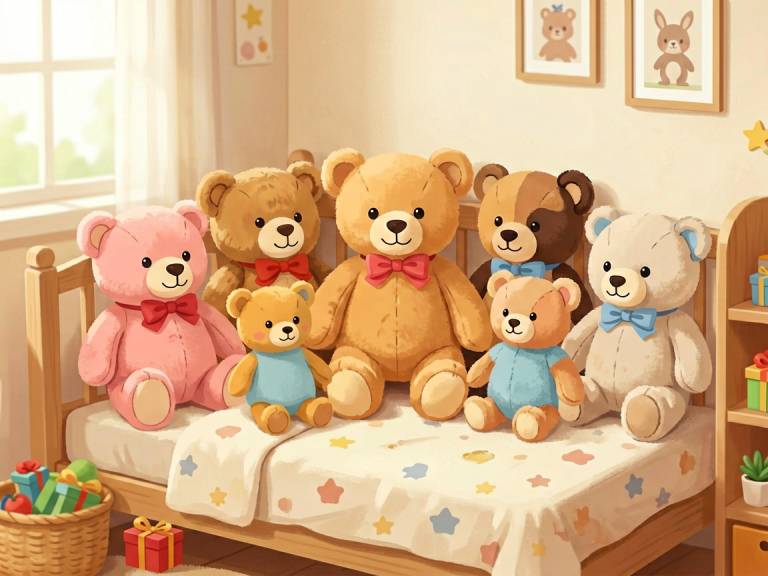
For the youngest toddlers, the safest and most developmentally appropriate “action figures” are actually made of soft fabric. Companies like Jellycat, Douglas, and Manhattan Toy produce plush characters that mimic the form of superheroes, animals, or friendly monsters. These figures are completely soft, have embroidered features instead of plastic eyes (which can be chewed off), and often include different textures or crinkle elements that stimulate tactile exploration. While they lack the posability of traditional action figures, they encourage hugging, carrying, and early pretend play – an 18-month-old can easily “feed” a plush superhero or put it to bed. The major downside is that plush figures cannot stand on their own and may not satisfy a child who wants to make the figure “move” in a dynamic way. However, they are perfect for the child who is still learning to modulate their grip strength.
Large, One-Piece Vinyl Figures
A notch above plush, large vinyl figures (often 6 to 8 inches tall) that are molded as a single piece with no movable joints are excellent for 18-month-olds. These are sometimes called “figurines” rather than action figures. Brands like Schleich (despite their recommended age of 3+ due to small accessories, their basic animal figures can be safe if you choose the largest ones), Little People from Fisher-Price, and some Playmobil 1.2.3. series offer chunky, rounded figures with no detachable parts. The proportions are intentionally designed for small hands – thick, stubby legs and arms that cannot bend. These figures are easy to grasp, can be stood up on a flat surface, and are sturdy enough to be dropped repeatedly. The best examples have painted details (not applied stickers) that won’t peel off and become a choking hazard. You can find action-figure-like characters in this category, such as the Fisher-Price Little People “Super Heroes” set, which features chunky versions of caped characters with friendly, simple expressions.
Soft Plastic Figures with Limited Articulation
Some manufacturers produce action figures specifically for the 12-24 month range that have limited articulation, such as rotating heads or bending arms, but use a soft, grippy plastic that is difficult to break. The key here is that the joints must be extremely tight or integrated into the mold so that they cannot be pulled apart by a child’s teeth or fingers. One example is the “Sassy Stacks of Circles” character, though that is more of a stacking toy. More relevant are figures like the “Baby Einstein” character toys or “VTech” soft figures that come with interactive sound features. However, be cautious with battery-operated figures: the battery compartment must be secured with a screw (not just a latch) to prevent access to lithium batteries, which are extremely dangerous if swallowed. For an 18-month-old, it is often safer to choose a figure without electronic components.
Avoiding Common Pitfalls: What Not to Buy
Even well-intentioned parents can make mistakes when shopping for action figures. Here are four categories of toys that you should absolutely avoid for an 18-month-old.
The “Cool” Collectible Action Figures
Superhero action figures from Marvel, DC, or Star Wars, whether from Hasbro, McFarlane, or NECA, are almost universally designed for children aged 4 and up. They are full of small accessories (like a web-shooter, lightsaber, or shield), have multiple points of articulation that can easily be twisted off, and often feature hard, pointed plastic. Even the “basic” figures that cost under $10 typically have removable hands or weapons. Do not be tempted by the idea of introducing your toddler to their favorite character early. The risk of choking or injury is simply too high. Wait until at least age 3, and preferably age 4, for these types of figures.
Figures with Hair, Fur, or Loose Fibers
Some action figures come with synthetic hair, fuzzy capes, or flocking (a soft velvet-like coating). For an 18-month-old, these features are problematic because they can shed, and the loose fibers can be inhaled or swallowed. Additionally, hair or fur can become matted with drool and saliva, creating a breeding ground for bacteria. Stick to smooth, washable surfaces.
Figures with Magnets
Some building sets or action figures incorporate small magnets to allow parts to connect. While magnets can be fun for older children, for toddlers they present a severe danger: if two or more magnets are swallowed, they can attract each other through the intestinal walls, causing perforations, infections, and life-threatening blockages. Even if the magnets are “safely” encased in plastic, a determined toddler can chew through the casing. Avoid any toy containing magnets until your child is well past the mouthing stage.
“Mini” or “Micro” Figures
Toys like “L.O.L. Surprise!” dolls, “Shopkins,” or “Hatchimals” are massively popular, but they are extremely small and include dozens of tiny accessories. These are absolute no-go items for an 18-month-old’s toy box. Even the main figures themselves are often small enough to be a choking hazard. Keep these toys far out of reach, or donate them to older children.
Practical Tips for Selecting and Maintaining Action Figures
Finding the perfect action figure is only half the battle. Here are some practical, hands-on tips to ensure a safe and enjoyable experience.
In-Store Inspection and Testing
When shopping in person, open the packaging if possible (or ask a store associate) to examine the figure up close. Squeeze it – does it feel solid? If there is a joint, try to pull it apart with moderate force. If it separates easily, do not buy it. Rub the figure against your cheek to check for sharp edges. Also, check the nose and ears: these are common places where small appendages break off. For figures with paint, scratch the surface with your fingernail. If paint flakes off, avoid it. Look for a label that says “BPA-free,” “phthalate-free,” and “lead-free.”
Washing and Sanitizing
Action figures for toddlers will get dirty quickly – they will be dropped on the floor, chewed, and possibly even taken into the bath. Choose figures that can be wiped clean with a damp cloth or a mild soap solution. Avoid figures with absorbent materials like felt, paper, or flocking. If the figure is plastic and has no electronic parts, you can also sanitize it by soaking it in a solution of 1 part vinegar to 3 parts water, or using a toy-safe disinfectant spray. For plush figures, check the care label for machine-washability. Washing a figure frequently will help prevent the buildup of germs, but also watch for signs of wear – if the fabric starts to fray or the stuffing leaks out, it is time to retire the toy.
Supervised Play and Rotation
Even with the safest action figure, no toy should ever be a substitute for active supervision. An 18-month-old can still manage to break a toy in unexpected ways. Additionally, consider rotating the action figures out of your child’s daily lineup. If a toy is always available, it can quickly become background noise. By rotating a few safe figures every week or two, you maintain novelty and encourage deeper engagement. For example, one week you might introduce a plush animal action figure for “caretaking” play, and the next week a chunky vehicle figure for “movement” play.
The Surprising Benefits of Action Figures for Toddlers
While safety is paramount, action figures (when chosen correctly) can be powerful developmental tools. Research in early childhood development highlights several benefits that parents may not immediately associate with these toys.
Language and Narrative Skills
At 18 months, toddlers are rapidly acquiring vocabulary. An action figure can serve as a “conversation partner.” When you make the figure “talk” or “wave,” you are modeling social interactions and language patterns. Even a simple phrase like “Hello, I am Super Bear! Let’s go find your shoes!” introduces new words and sentence structures. As your child begins to imitate these actions, they practice their own emerging speech. The figure also helps children understand the concept of a character – the idea that this object can “act” and “feel” – which is a foundational step toward storytelling.
Emotional Regulation and Empathy
Toddlers experience big emotions, from joy to frustration to anger. An action figure can become a safe object onto which they project feelings. If your child is upset, you can ask, “Is Super Bear sad? He needs a hug.” This not only validates the child’s own emotions but also teaches empathy. Additionally, caring for a toy – giving it a “drink” or a “bandage” – helps your child practice nurturing behavior, which builds emotional intelligence and social bonds.
Motor Skill Development
Grasping, holding, and moving an action figure exercises the small muscles in the hands and fingers. When an 18-month-old tries to make a figure stand up, they are practicing balance and coordination. When they carry the figure from one room to another, they are developing gross motor skills. Figures that have a slight weight (but not too heavy) provide proprioceptive feedback, helping the brain understand where the body is in space.
Conclusion: A Thoughtful Investment in Play
Buying action figures for an 18-month-old is a rewarding endeavor that, when done with knowledge and care, can enrich your child’s early years. The key is to shift your perspective away from the typical “action figure” image – the muscular, articulated hero with weapons and accessories – and toward a safer, softer, and simpler interpretation. Look for large, one-piece vinyl figures or high-quality plush characters that are designed for the unique needs of a toddler: safety, durability, and sensory appeal. Avoid small parts, pointed edges, and toxic materials at all costs. Remember that at this age, the value of the toy lies not in its collectibility or coolness, but in its ability to support your child’s exploration, imagination, and developmental milestones. By following the guidelines in this guide, you can confidently choose action figures that will bring smiles, laughter, and learning – without a single moment of worry. Happy playing, and may your toddler’s first action figure be the start of a wonderful journey into the world of pretend.