The Enduring Charm of Dolls and Plush Toys: The Perfect Christmas Gift for All Ages
Introduction
Every Christmas, the search for the ideal gift begins. Amid the glitter of electronics, the allure of fashion, and the practicality of household items, one category of presents remains timelessly popular: dolls and plush toys. From a toddler clutching a soft bunny to an adult collector cherishing a limited-edition porcelain doll, these cuddly companions transcend age, culture, and economic boundaries. They are not merely objects; they are vessels of emotion, comfort, and memory. In an increasingly digital world, the tactile, heartfelt nature of a doll or plush toy offers a grounding experience that no screen can replicate. This article explores why dolls and plush toys make exceptional Christmas gifts, delving into their emotional significance, historical roots, psychological benefits, and modern considerations—all while providing practical guidance for choosing the perfect one.
The Emotional Connection: Why We Love Soft Toys
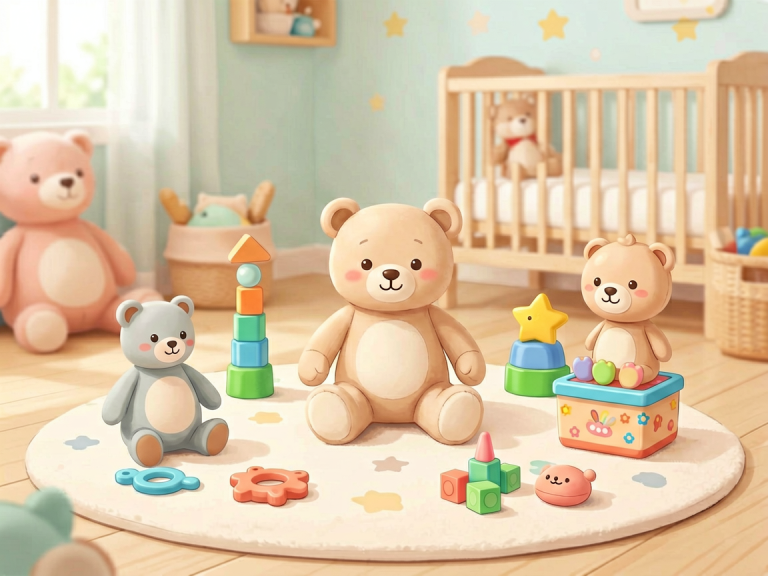
At the heart of our affection for dolls and plush toys lies an innate human need for connection and security. For children, a stuffed animal often becomes a first friend, a confidant who listens without judgment, and a source of comfort during bedtime or stressful moments. Psychologists refer to these objects as “transitional objects,” a term coined by pediatrician Donald Winnicott. A teddy bear or a rag doll helps a child navigate the transition from total dependence on parents to a more independent sense of self. The soft texture, familiar scent, and consistent presence of a plush toy create a safe anchor in an unpredictable world.
For adults, the emotional pull is equally powerful. Nostalgia plays a significant role: a vintage doll might remind someone of a grandmother’s attic, while a plush cat could evoke memories of a childhood pet. In recent years, the trend of “kawaii” culture and therapeutic plush toys has surged, with adults openly embracing stuffed animals as stress relievers, sleep aids, and even decorative art. The act of hugging a soft toy triggers the release of oxytocin, the “bonding hormone,” reducing cortisol levels and promoting a sense of calm. That is why during the hectic Christmas season, when stress runs high and emotions run deep, gifting a plush toy is not just generous—it is healing.
A Brief History: From Rag Dolls to Modern Plush
The tradition of giving dolls and soft toys at Christmas dates back centuries. Early dolls were handmade from rags, wood, or clay, often representing religious figures or folk characters. In the Victorian era, the commercialization of Christmas turned dolls into popular mass-produced gifts. The first stuffed toy bear was created in 1902 by Richard Steiff in Germany, inspired by a real bear cub—this “Teddy bear” named after President Theodore Roosevelt quickly became a global phenomenon. By the mid‑20th century, plush toys like the iconic Barbie doll (launched in 1959) and the Ty beanie babies craze of the 1990s demonstrated the enduring appeal of these soft companions.
Today, the market for dolls and plush toys is more diverse than ever. High‑end fashion dolls, interactive robotic plush, handmade wooden dolls, and eco‑friendly organic cotton toys coexist alongside mass‑produced licensed characters from Disney, Pokémon, and anime. Yet the core appeal remains unchanged: a doll or plush toy is a tangible expression of love. When you choose one for a Christmas gift, you are participating in a tradition that has warmed hearts for generations.
Choosing the Perfect Doll or Plush Toy for Christmas
Selecting a doll or plush toy as a Christmas gift requires thoughtfulness. Here are key factors to consider:
Age and Developmental Stage: For infants and toddlers, safety is paramount. Choose plush toys with embroidered eyes and noses (not plastic ones that could detach), soft hypoallergenic fabrics, and no small parts. Look for age‑appropriate labels. For preschoolers, a simple doll that can be dressed or a plush animal with a comforting weight (like a weighted teddy) may be ideal. School‑age children often enjoy dolls that allow imaginative play—babies to care for, fashion dolls to style, or action figures with accessories. Teenagers and adults may appreciate collectible dolls, artist‑made plush, or nostalgic characters from their childhood.
Personality and Interests: Does the recipient love animals? A realistic plush cat, a bunny with long floppy ears, or a whimsical unicorn could be perfect. Are they drawn to fantasy? A fairy doll or a plush dragon might delight. For a child who loves storytelling, a doll with an accompanying book or a plush toy that came from a movie like *Frozen* or *Toy Story* adds an extra layer of magic. For adults, consider a handcrafted doll that reflects their aesthetic—minimalist Scandinavian design, vintage reproduction, or quirky modern art.
Quality and Durability: A Christmas gift should last beyond December 25. Examine stitching, fabric quality, and stuffing. Cheaper plush may shed or lose shape quickly. Premium brands like Jellycat, Gund, or Steiff are known for durability. For dolls, look for articulated limbs, well‑sewn clothing, and materials that can withstand play. If the gift is for a collector, authenticity and limited‑edition details matter.
Sentimental Value: Sometimes the best plush toy is one that connects to a shared memory. For example, a plush replica of the family dog, a doll that resembles the recipient’s favorite storybook character, or a teddy bear dressed in a Christmas sweater that matches your own can make the gift profoundly personal. Adding a handwritten note explaining why you chose that particular toy elevates the experience.
The Psychology of Comfort and Nostalgia
Why do adults, who may seem too old for stuffed toys, still cherish them? The answer lies in the psychology of comfort and nostalgia. Our brains associate soft, warm textures with safety from infancy. When we hug a plush toy, we unconsciously revert to a state of childhood security. Furthermore, nostalgia serves as an emotional anchor—during times of change or stress, revisiting the past through a familiar object can boost mood and reinforce identity. The Christmas season itself is steeped in nostalgia: the music, the decorations, the rituals. A doll or plush toy amplifies that nostalgic atmosphere, bridging the gap between past and present.
Moreover, plush toys have become a tool for mental health. Weighted plush animals (designed to provide deep pressure stimulation) are used by both children and adults with anxiety, autism, or sensory processing disorders. They help regulate the nervous system, promote better sleep, and ease panic attacks. Giving such a gift shows not only thoughtfulness but also a deep understanding of the recipient’s needs.
Plush Toys as a Symbol of Love and Care
In many cultures, dolls and soft toys are given as tokens of affection during holidays. At Christmas, they serve as a physical manifestation of the giver’s care. A parent giving a teddy bear to a child is saying, “You are loved, and I will protect you.” A friend gifting a quirky plush octopus to a stressed colleague communicates, “I see you, and I want you to have something that makes you smile.” A couple exchanging snuggly matching plush animals might be reinforcing their bond.
The act of wrapping and presenting a plush toy also carries its own charm. Unlike a gift card or cash, a doll or teddy bear invites immediate interaction. The recipient can hold it, hug it, display it. It becomes part of their daily environment—a silent companion that outlasts the holiday season. In this way, the gift continues to give comfort long after the Christmas tree has been taken down.
Sustainable and Ethical Options
Modern consumers are increasingly conscious of the environmental and ethical impact of their purchases. Fortunately, there are many options for dolls and plush toys that align with these values. Look for toys made from organic cotton, recycled polyester, or sustainably sourced wool. Brands that use eco‑friendly dyes and packaging are preferable. Handmade dolls from local artisans or fair‑trade workshops support livelihoods and reduce carbon footprint. For vintage lovers, second‑hand dolls and plush toys can be cleaned and restored, giving them a second life. Even larger companies like IKEA and LEGO (with their plush lines) have introduced sustainable materials. By choosing an ethical plush toy, you are not only giving a wonderful gift but also promoting a healthier planet for future generations.
Conclusion: A Gift That Keeps on Giving
As we wrap up the Christmas season, it is worth reflecting on what makes a gift truly memorable. Dolls and plush toys offer something that few other presents can: a combination of tactile comfort, emotional resonance, and timeless charm. They are silent partners in childhood adventures, silent comforters in adult worries, and silent carriers of love across generations. Whether you choose a cuddly snowman for a nephew, a vintage rag doll for your mother, or a hand‑knitted bunny for a newborn, you are giving more than an object. You are giving a hug that lasts, a memory that softens, and a piece of your heart.
This Christmas, amidst the rush of online orders and gift‑wrapping deadlines, pause to consider the simple power of a doll or plush toy. It may not be the most expensive or the most technologically advanced gift, but it will be the one most likely to be hugged tight, cherished in quiet moments, and remembered years down the road. That is the enduring magic of these soft, steadfast friends.
*Word count: ~1,150*