Taming the Toy Chaos: Practical Tips for Parents to Reduce Toy Clutter
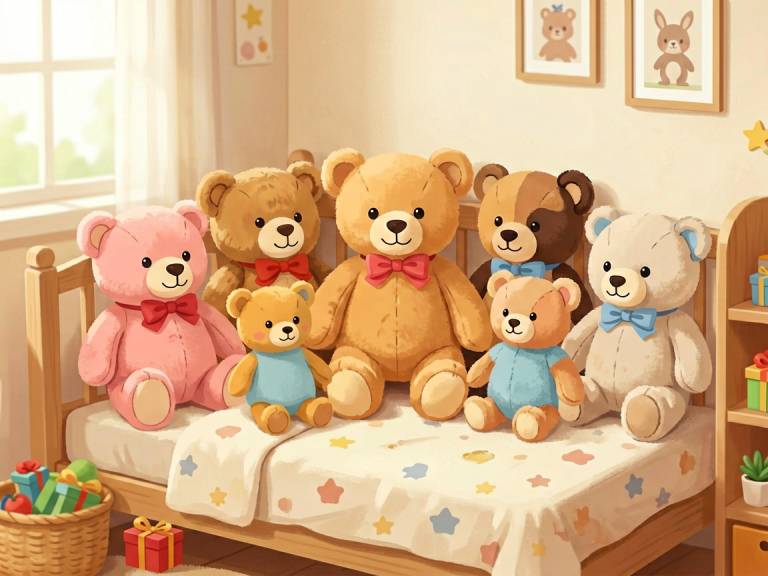
As any parent knows, toys have a magical way of multiplying overnight. One minute you have a neat playroom, and the next you're tripping over a rogue LEGO brick or wading through a sea of stuffed animals. Toy clutter is not just an eyesore—it can overwhelm both parents and children, leading to stress, reduced focus, and even less meaningful play. The good news is that with a few intentional strategies, you can reclaim your space and your sanity. This article offers practical, actionable tips for parents who want to manage toy clutter without turning into a drill sergeant or sparking a household rebellion.
Understanding the Roots: Why Toy Clutter Happens
Before diving into solutions, it helps to understand why toy clutter accumulates so easily. For one, children grow fast, and their interests shift constantly. A toy that was a favorite last month may now be ignored, yet it remains taking up space. Also, grandparents, friends, and even well-meaning parents themselves keep adding to the collection—birthdays, holidays, and "just because" gifts pile up. Moreover, young children have little sense of organization; they naturally gravitate toward the newest or most visually stimulating toy, leaving a trail of forgotten items behind. Recognizing these patterns helps you approach decluttering with empathy rather than frustration.
Shift Your Mindset: Less Is More for Play
The first and most important step is to change your own beliefs about toys. Many parents equate a large quantity of toys with a happy childhood, but research suggests the opposite. Children actually play more creatively and deeply with fewer options. When a child has too many toys, they often flit from one to another, never fully engaging. By reducing the number of toys, you allow your child to focus, invent, and develop longer attention spans. Embrace the idea that "less is more." This mindset shift will give you the confidence to let go of excess without guilt.
Adopt the One-In-One-Out Rule
A classic yet highly effective strategy is the one-in-one-out rule. For every new toy that enters the house—whether a birthday gift, a party favor, or a spontaneous purchase—your child must choose one existing toy to donate or discard. This teaches children about boundaries and the value of giving. To make it work, talk about it as a family. Explain that the toy going out will make another child happy, and that keeping the playroom tidy means we can actually find our favorite toys. For younger children, you can simplify: "Let's pick one toy to give away so we have room for this new one."
Rotate Toys to Keep Excitement Alive
One of the most powerful tools in a parent's anti-clutter arsenal is toy rotation. The idea is simple: store about two-thirds of your child's toys out of sight (in a closet, under the bed, or in a storage bin) and leave only a curated selection available. Every few weeks, swap the stored toys with the ones in play. This rotation makes old toys feel new again, reduces overwhelming choices, and drastically cuts down on visible clutter. Children actually become more engaged when they see their toys reappear after a break. You can even involve your child in the rotation process, letting them choose which toys to "put to sleep" and which to wake up.
Involve Your Child from the Start
Children are more likely to maintain an organized space if they feel ownership of the process. Instead of decluttering while they're asleep, invite them to participate. For toddlers, frame it as a game: "Let's find all the red blocks and put them in this basket!" For preschoolers, you can play "sorting race" or pretend you're toy doctors checking which toys need a rest. For school-aged kids, have clear conversations: "Which toys do you still play with? Which ones are you ready to let go of?" Remember, the goal is not to force them to give up everything, but to teach decision-making. Even if they choose to keep something you think is junk, respect their choice—it fosters trust.
Create Smart Storage Systems That Work for Kids
No amount of decluttering will stick without a storage system that makes sense for your child's age and abilities. Avoid deep, opaque bins where toys disappear into a black hole. Instead, use low, open shelves or clear containers so children can see what's inside. Label bins with pictures (for pre-readers) or words. Categorize toys logically: a bin for blocks, a bin for cars, a bin for art supplies, and so on. Place the most-used toys at eye level and within easy reach. Also, designate a "home" for every toy—a specific shelf or basket—and teach your child that after play, each toy goes back to its home. This takes practice, but consistency pays off.
Master the Art of Letting Go Gracefully
Decluttering can be emotionally charged, especially for children (and for parents who attach memories to toys). To ease the process, create a "maybe box." If your child is unsure about parting with a toy, put it in a sealed box and hide it for a month. If no one asks for it during that time, it's safe to donate. Alternatively, take a photo of the toy before sending it away—this can help sentimental parents feel they've preserved the memory. For toys that are broken, incomplete, or missing pieces, have a frank conversation: "This toy can't be played with anymore. Let's recycle it so it can become something new." Turn letting go into a positive ritual, such as a "goodbye party" for the toys, complete with a thank-you card.
Establish Daily and Weekly Routines
Toy clutter is like dust—it will reappear unless you maintain a regular cleaning routine. Implement a "10-minute tidy-up" at the end of each day. Set a timer and have the whole family pitch in. Make it fun by playing music or turning it into a race. For younger children, break the task into small steps: "First, put all the stuffed animals in the bin. Then, put all the books on the shelf." In addition, schedule a weekly or monthly deeper declutter session. On a Sunday afternoon, go through one category of toys—puzzles, games, dolls, action figures—and decide what stays and what goes. Consistency turns decluttering from a dreaded chore into a normal habit.
Beware of Gift Overload: Communicate with Family and Friends
A major source of toy clutter is well-intentioned relatives who shower your child with presents. To manage this, have a gentle but honest conversation with grandparents, aunts, and uncles. Let them know that you are working on reducing clutter and that experiences—such as museum passes, craft classes, or a day out—are more valuable than physical items. If they insist on giving toys, suggest that they contribute to a "gift fund" for a larger, meaningful purchase, or that they give consumable gifts like art supplies, bath bombs, or books that can be read and passed on. You can also create a wish list for your child, steering givers toward items your child truly needs or desires.
Use Vertical Space and Multipurpose Furniture
When floor space is limited, look up. Install wall-mounted shelves for displaying a few favorite toys or books. Use hanging organizers on the back of doors for small items like action figures or art supplies. Ottomans with hidden storage, beds with drawers underneath, and benches with lift-up seats are all excellent for stashing toys out of sight. Another clever trick: use a tension rod under a desk or table to hang baskets for stuffed animals. The key is to maximize every inch of your home while keeping frequently used toys accessible and rarely used toys out of the way.
Practice the "Toy Audit" Twice a Year
Just as you might spring clean your closet, do a thorough toy audit every six months—perhaps around your child's birthday and before the winter holidays. Pull everything out, including toys that have migrated to the car, the living room, and the basement. Sort into four piles: keep, donate, trash, and maybe. Be ruthless but kind. Ask yourself: Does this toy still function? Does my child still play with it? Does it have educational or sentimental value? If the answer is no, let it go. For toys that are in good condition, consider donating to a local charity, daycare, or children's hospital. For broken items, recycle responsibly. This twice-yearly reset prevents the slow accumulation that leads to overwhelming chaos.
The Role of Boundaries: Zones for Toys
To prevent toys from taking over the entire house, designate specific areas where toys are allowed. For example, toys stay in the playroom and the child's bedroom; the living room and kitchen are toy-free zones (or at least limited to a small basket). Enforce this boundary consistently. If a toy is found in a forbidden zone, it goes into a "jail box" for 24 hours. This teaches children to respect spaces and helps parents maintain a clutter-free environment in the main living areas. You can also use a "one bin" rule: allow your child to bring one small bin of toys to the living room each day, which must be returned to its home before dinner.
When All Else Fails: The Power of a "Toy Library"
If your home still feels overwhelmed, consider creating a mini in-home toy library. This works especially well for high-cost or bulky toys like ride-on cars, large playsets, or expensive electronic gadgets. Instead of owning them indefinitely, you can rotate them among other families, borrow from friends, or even use a local toy library service. Many communities have toy lending programs where you can check out toys for a period, just like books. This not only reduces clutter but also saves money and introduces your child to a wider variety of play experiences.
Conclusion: A Cleaner Home, a Happier Child
Tackling toy clutter is not about being a strict minimalist or depriving your child of joy. It's about creating an environment where play is focused, creativity can flourish, and the whole family feels calm. Implementing these tips—changing your mindset, rotating toys, involving your child, and establishing routines—will not happen overnight. Expect setbacks and messy days. But with patience and persistence, you will notice a transformation. The playroom will become a space your child actually wants to play in, rather than a chaotic dump. You'll spend less time shouting "clean up!" and more time enjoying your child's imaginative worlds. And best of all, you'll teach your child lifelong skills of organization, gratitude, and thoughtful consumption. So take a deep breath, pick one tip from this list, and start today. Your future self—and your floors—will thank you.