How to Manage Toy Clutter: A Comprehensive Guide for a Peaceful Home
—
Introduction: The Quiet Chaos Beneath the Couch
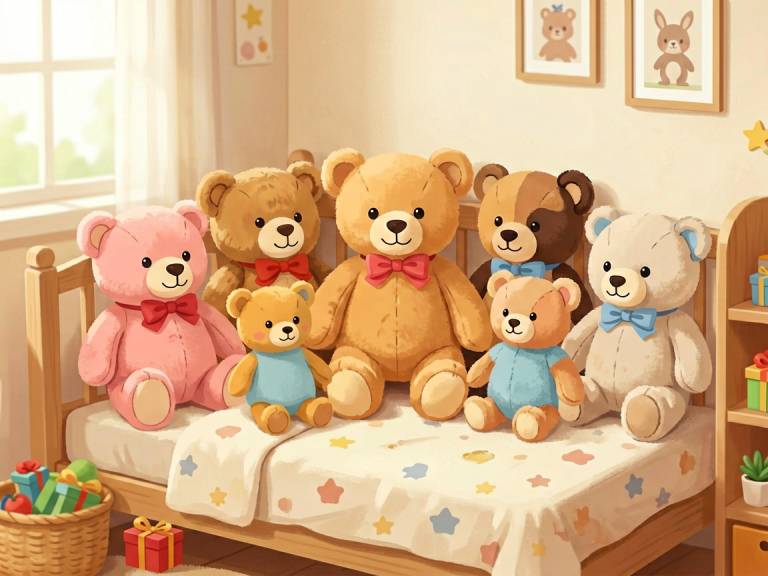
Every parent knows the feeling: you step into the living room, and your bare foot meets a stray LEGO brick. You navigate a maze of stuffed animals, puzzle pieces, and half-chewed crayons just to reach the sofa. Toy clutter is not merely an aesthetic nuisance—it is a daily source of stress, wasted time, and even financial drain. When toys are scattered everywhere, children struggle to focus, lose pieces, and often ask for new toys because they cannot see what they already own. Managing toy clutter is therefore not about achieving a sterile, museum-like home; it is about reclaiming your space, your sanity, and your child’s ability to play meaningfully. This guide offers a structured, compassionate approach to transforming that avalanche of plastic and fabric into an organized system that works for the whole family.
—
The Root Causes of Toy Clutter: Why It Happens
Before diving into solutions, it is essential to understand why toy clutter accumulates so quickly. Recognizing the underlying patterns helps you prevent future chaos rather than merely cleaning up after it.
1. Overabundance of Toys
The most obvious cause is simply having too many toys. Well-meaning relatives, birthday parties, holiday gifts, and even your own impulse purchases can flood the home. Studies in child development suggest that children actually play more creatively and deeply when they have fewer options—the so-called “less is more” principle. An excess of toys overwhelms a child’s decision-making and leads to dumping entire bins onto the floor.
2. Lack of Defined Storage Zones
When toys do not have a designated home, they end up everywhere. Without clear boundaries, a stuffed panda might migrate from the bedroom to the kitchen to the car. Children rely on visual cues: if a toy has no specific place, they will leave it where it falls.
3. Sentimental Attachment and “Future Use” Thinking
Parents often hold onto toys for emotional reasons (“That was his first teddy”) or because they believe a younger sibling will use them someday. While noble, this mindset turns storage spaces into time capsules, accumulating dust and clutter for years.
4. Absence of a Routine for Tidying
Without a consistent, age-appropriate cleanup routine, toy clutter becomes the default state. Children do not naturally know how to organize—they need to be taught through repetition and clear expectations.
—
Decluttering Strategies: Less Is More
The first step to managing toy clutter is to reduce the volume of toys to a manageable level. This is not about being cruel or depriving your child; it is about curating a collection that supports joyful, independent play.
The Four-Box Method
Take a weekend and gather four boxes labeled: *Keep*, *Donate*, *Trash*, and *Relocate* (to another room, like the basement or a sibling’s space). Go through every toy bin, shelf, and hidden corner. For each item, ask:
- Does my child actually play with this?
- Is it age-appropriate?
- Is it in good condition?
- Do we have duplicates?
Be ruthless. If a toy has not been touched in three months, it is likely a candidate for donation. For sentimental items, take a photograph and let go of the physical object. Many parents report that children do not even notice when toys disappear—they are too busy playing with the ones that remain.
The Toy Rotation System
One of the most powerful strategies for managing clutter is toy rotation. Divide your child’s toys into three or four groups. Only keep one group accessible at a time, while the others are stored out of sight (in a closet, under the bed, or in labeled bins). Every two to four weeks, swap the groups. This keeps toys feeling fresh and exciting, reduces decision fatigue, and dramatically cuts down on mess. Children engage more deeply with each toy because they see it as a novelty rather than background noise.
—
Creative Storage Solutions: A Place for Everything
Once you have pared down the collection, the next challenge is to store the remaining toys in a way that is both functional and aesthetically pleasing. The goal is to make putting away toys as easy as pulling them out.
Open Bins and Low Shelves
Toddlers and preschoolers cannot reach high shelves or open complicated drawers. Use low, open bins made of fabric, plastic, or wicker so that children can see and access their toys independently. Label each bin with a picture (for non-readers) or a word (for older kids). Group similar items: all cars in one bin, all blocks in another, all art supplies in a caddy.
The “One In, One Out” Rule
To prevent future accumulation, adopt a strict policy: every time a new toy enters the home (birthday, holiday, gift), an old toy must leave. This can be a gentle negotiation with your child: “You can have this new dinosaur, but you need to choose one of your current dinosaurs to donate to a child who doesn’t have any.” This teaches gratitude and decision-making while keeping the volume in check.
Vertical Space and Wall-Mounted Organizers
Maximize floor space by going vertical. Install wall-mounted shelves for display-worthy toys (like a favorite dollhouse or collection of figurines). Use over-the-door shoe organizers to store small items like plastic animals, matchbox cars, or craft supplies. Hanging mesh bags or pegboards in the playroom can hold puzzles, dress-up costumes, or action figures.
Hidden Storage Furniture
Ottomans, benches, and coffee tables with hidden compartments are brilliant for storing toys that you want out of sight during adult time. A storage ottoman in the living room can hold board games or building blocks, allowing the room to transition from play zone to relaxation zone in minutes.
—
Establishing Routines and Rules: Consistency Matters
Even the best storage system fails without a predictable cleanup routine. Children thrive on structure, and when they know what is expected, they are far more likely to cooperate.
The 10-Minute Tidy
Set a timer for ten minutes and make it a daily ritual—perhaps right before dinner or before bedtime. The rule is simple: everyone in the family (including you!) picks up toys and returns them to their designated homes. Play upbeat music, make it a game (who can pick up the most items?), and offer praise rather than criticism. Over time, this becomes a habit that takes less effort each day.
The “Toy Jail” for Rule-Breakers
When a toy is left out after the tidy time is over, it goes to “toy jail”—a high shelf or locked closet for 24 to 48 hours. This is not a punishment for the child but a natural consequence. It teaches responsibility without yelling or nagging. After the time is up, the toy returns, and the cycle starts anew.
Weekly Reset
Once a week—perhaps on Saturday morning—do a deeper reset. Go through the playroom, return stray pieces to their correct bins, wipe down surfaces, and review the toy rotation if you use one. This prevents small messes from snowballing into overwhelming chaos.
—
Involving Children in the Process: Raising Organized Kids
Managing toy clutter should not be a solo parent activity. Involving your child from the beginning teaches lifelong organizational skills and builds ownership.
Age-Appropriate Tasks
- *Toddlers (1–3 years)*: Ask them to put one specific type of toy into a bin. Use simple commands: “Put the red blocks in here.”
- *Preschoolers (3–5 years)*: Teach them to sort by category. Use picture labels. Let them choose which toys to donate to younger children.
- *School-age children (6+)*: They can help plan the storage system, label bins, and even decide on a toy rotation schedule. Give them a small allowance or special privilege for maintaining their space.
The Power of Choice
Instead of forcing a child to clean up, offer controlled choices: “Do you want to put away the cars or the dolls first?” or “Would you like to keep this puzzle on the shelf or in the closet?” When children feel they have a say, resistance drops dramatically.
Modeling Behavior
Children learn by watching. If you keep your own spaces organized and verbally express satisfaction with a tidy room, your child will internalize that value. Narrate your own tidying: “I’m putting my shoes in the closet so we can find them tomorrow.”
—
Long-Term Maintenance: Preventing Future Clutter
The initial decluttering is only the beginning. Without ongoing vigilance, toys will inevitably creep back in. Here is how to keep the clutter at bay for years to come.
Mindful Gift-Giving
Communicate with family and friends before birthdays and holidays. Request “experience gifts” (a trip to the zoo, a museum membership, art classes) or consumable items (play-doh, art supplies, bubbles) instead of plastic toys. Suggest a “no-gift” policy for parties, or ask for contributions to a savings account. You can also create a wish list of specific, high-quality toys that your child will truly use.
Regular Purge Sessions
Schedule a quarterly “toy audit” with your child. Sit down together and go through every bin. Ask: “Which toys still make you happy? Which ones are boring now?” Be honest about broken or incomplete items—discard or recycle them. This practice keeps the collection fresh and prevents the buildup of unloved objects.
The “One Shelf” Rule
If you have a specific playroom, decide on a maximum capacity. For example, all toys must fit on exactly three shelves and two bins. Once the space is full, nothing new can come in unless something old goes out. This physical constraint forces intentionality.
Celebrate Minimalism
Remind yourself and your family that less clutter leads to more creativity, less stress, and more time for meaningful play. Celebrate when you donate a box of toys—take a photo, have a small “goodbye” ceremony. Frame it as a positive act of generosity rather than a loss.
—
Conclusion: Peaceful Play, Peaceful Home
Managing toy clutter is not a one-time event but an ongoing practice of mindfulness, organization, and communication. By reducing the sheer volume of toys, designing intuitive storage, establishing consistent routines, and involving your children, you can transform your home from a chaotic playpit into a serene space where both kids and adults can thrive. Remember that the ultimate goal is not perfection—it is functionality. Some days the toys will still spill over the rug, and that is okay. The difference now is that you have the tools and mindset to restore order quickly and calmly. A clutter-free environment gives your children the gift of focus and your family the gift of peace. Start today with one bin, one conversation, one small step—and watch the transformation unfold.