Introduction: Why Thoughtful Toy Selection Matters More Than Money
The Ultimate Budget-Friendly Toy Buying Guide for 1-Year-Olds: Smart, Safe, and Stimulating Choices That Won't Break the Bank
The first birthday is a milestone that celebrates not just a year of growth, but the beginning of a whole new world of exploration. At twelve months, your little one is transforming from a passive observer into an active discoverer—crawling, cruising, maybe even taking those first wobbly steps. Their cognitive, motor, and sensory development is accelerating at a breathtaking pace. As a parent on a budget, you might feel pressure to keep up with endless advertisements for expensive electronic toys, educational gadgets, or branded play sets. But here's the truth: the best toys for a one-year-old are often the simplest, most versatile, and most affordable. This guide is designed to help you navigate the toy aisle—both physical and digital—with confidence, ensuring you invest your limited dollars in items that truly support your child's development without sacrificing quality or safety. Whether you're shopping for your own child or looking for a thoughtful gift for a friend, this comprehensive, budget-conscious approach will help you prioritize what matters most: engagement, safety, and joy.
Understanding the Developmental Needs of a One-Year-Old
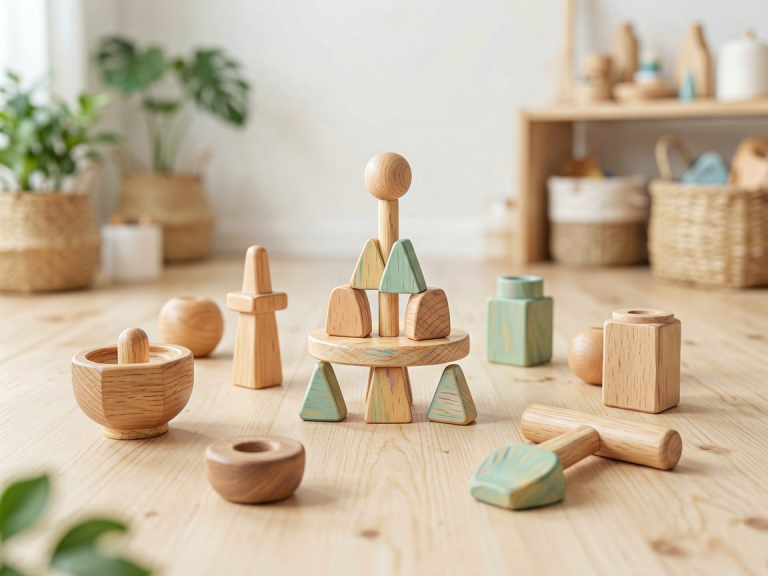
Before we dive into specific toy recommendations, it's essential to understand what a one-year-old actually needs. At this age, children are rapidly developing fine and gross motor skills. They are learning to grasp, stack, pull, push, and transfer objects from one hand to another. Their sensory systems are hungry for new textures, sounds, and visual contrasts. Problem-solving skills are emerging—simple puzzles, shape sorters, and cause-and-effect toys become fascinating. Socially and emotionally, they crave interaction but are also beginning to enjoy independent play for short periods. Crucially, one-year-olds explore primarily through their mouths, so any toy must be free of small parts that could pose a choking hazard. The best budget-friendly toys are those that serve multiple developmental purposes. For example, a simple set of wooden blocks can be stacked (fine motor), knocked down (cause and effect), sorted by color (cognitive), and even chewed on (teething relief). Understanding this holistic need will help you resist the temptation of flashy, single-purpose toys that cost more and offer less.
The Golden Rules of Budget Toy Shopping for One-Year-Olds
Prioritize Open-Ended Play
Open-ended toys—items that can be used in multiple ways—offer the best return on investment. A cardboard box becomes a car, a house, a drum, or a hiding spot. A set of nesting cups can be stacked, filled with water in the bath, or used for scooping sand. These toys grow with your child and spark creativity, whereas a battery-operated toy that sings one song quickly loses its novelty.
Embrace Second-Hand and Hand-Me-Downs
One of the smartest ways to stay on budget is to accept or actively seek gently used toys. Babies outgrow toys quickly, so thrift stores, online marketplaces like Facebook Marketplace or Craigslist, and parent swap groups are goldmines. Always inspect used toys for loose parts, sharp edges, or peeling paint. Avoid anything with damaged batteries or frayed cords. But wooden blocks, stacking rings, and simple plastic toys can be sanitized and reused safely.
Focus on Durability and Safety Certifications
Cheap toys that break easily can be dangerous, creating sharp edges or releasing small parts. Look for toys that meet ASTM (American Society for Testing and Materials) or CPSC (Consumer Product Safety Commission) standards. You don't need to buy the most expensive brand, but avoid dollar-store items that may contain toxic chemicals like lead or phthalates. Check labels for "BPA-free," "non-toxic," and "phthalate-free." A few extra dollars spent on a well-made toy are far better than buying three flimsy ones that fall apart.
Avoid Battery-Operated and Electronic Toys
Research has consistently shown that traditional, non-electronic toys promote more language development and parent-child interaction than electronic alternatives. A simple wooden telephone encourages imaginative conversation and fine motor skills, while a plastic phone with flashing lights often leads to passive, screen-like engagement. Save your money and skip the noise-makers.
Top Budget-Friendly Toy Categories and Specific Recommendations
Sensory and Fine Motor Development (Under $15)
Sensory toys are a cornerstone of one-year-old play. You don't need expensive sensory bins filled with special sand or moon dough. Everyday household items can be just as effective. Consider a set of silicone teething straws (about $5 for a pack) that offer different textures and can be chewed, pulled, and twisted. Another excellent low-cost option is a "treasure basket" filled with safe household objects: a wooden spoon, a scrunched-up piece of crinkle paper, a clean sock, a large plastic measuring spoon, and a small, unbreakable mirror. Rotate the items weekly to maintain novelty. For fine motor practice, look for simple stacking cups. The "Lucky Baby Stacking Cups" are a classic—eight cups that nest inside each other, often costing under $10. They are water-resistant, lightweight, and perfect for bath or floor play. If you can spare a few more dollars, a wooden ring stacker (like the familiar cone with colored rings) is a staple. Many generic versions are available for $10–12, and they teach size discrimination, hand-eye coordination, and cause-and-effect logic.
Gross Motor and Active Play (Under $20)
One-year-olds need to move. A simple push toy—designed to support early walking—can be purchased at a thrift store for as little as $5. Alternatively, make your own "pull-along" toy by attaching a short, safe cord to a lightweight wooden block or plastic carton filled with beans (sealed tightly). This encourages cruising and balance. For outdoors or indoor space, a soft ball is indispensable. A set of four or five different soft fabric balls, like the "Sassy Soft Ball" mini pack (around $12–15), promotes rolling, throwing, and chasing. If you have a bit more room in your budget, a small foam climbing set or a mini indoor slide can be found used for $20–30 and can provide months of active play. But remember: your child may be just as happy with a laundry basket turned into a car or a large, sturdy cardboard box as a fort.
Cognitive and Problem-Solving Toys (Under $15)
Shape sorters are a classic cognitive challenge. However, many commercial shape sorters come with many small pieces that can be lost or swallowed. A safer and cheaper alternative is a large wooden cube with slots for big shapes, like the "Melissa & Doug" sorters often available second-hand for $5–10. If you're crafty, you can make a DIY shape sorter by cutting large holes in a plastic yogurt container lid and using household objects like large plastic keys or a wooden spoon handle to poke through. Another fantastic cognitive toy is a "first puzzle" with large, chunky wooden knobs. The "Chunky Puzzle" series (around $10 new, less used) features animals or vehicles that fit into matching cutouts. They strengthen fine motor control and introduce basic problem-solving. Also consider simple cause-and-effect toys like a "pop-up" toy with buttons to push that make animals pop up. Many generic versions are under $15.
Imaginative and Social Play (Under $10)
One-year-olds love to imitate. A simple toy telephone with a cord and rotating dial (not a plastic smartphone) can be found at a thrift store for a dollar. Give your child a small, unbreakable hand mirror (for babies) to encourage self-recognition. A set of chunky plastic or wooden animal figures (like a cow, dog, and cat) allows for early pretend play. You can often find these in multi-packs at discount stores for $5–8. A soft baby doll with simple features (no small buttons or parts) can be cuddled, fed, and "put to bed," fostering empathy and social skills. Fabric dolls that are machine-washable are ideal.
Safety Checklist for Every Toy You Purchase
Regardless of the price point, safety must be non-negotiable. Before giving any toy to your one-year-old, conduct a "toilet paper tube test." Any toy part that can fit inside a standard cardboard toilet paper tube is too small and poses a choking hazard. Check for sharp corners, splinters, or rough edges. Batteries should be secured with a screw-down cover, not accessible to tiny fingers. Avoid toys with long strings or cords longer than 12 inches, as they present a strangulation risk. For wooden toys, ensure the paint is non-toxic and lead-free. If you buy second-hand, look for any signs of wear that could create hazards—cracks, peeling, loose parts. Never give your child a toy that has been recalled. The CPSC website has a recall database you can check for free.
Creative DIY Toy Alternatives That Cost Next to Nothing
If your budget is extremely tight, know that the most valuable "toys" are often free. A set of wooden kitchen spoons and a plastic bowl can create a marvelous drum set. Old fabric scraps tied together into a "sensory scarf" provide tactile exploration. A large, empty water bottle (clean, with cap tightly secured) filled with a few dried beans or colorful buttons becomes a rattle and visual sensory tool. Poke holes in a cardboard box and let your child push pipe cleaners through the holes—this builds fine motor skills. Collect leaves, pinecones, and smooth stones (supervised) for outdoor exploration. The key is to rotate these items regularly, as novelty is what keeps a one-year-old engaged.
Where to Shop: Best Sources for Low-Cost Baby Toys
- Thrift stores and consignment shops: Goodwill, Salvation Army, and local children's consignment stores often have a dedicated toy section. Look for gently used wooden toys, puzzles, and books.
- Online marketplaces: Facebook Marketplace, Craigslist, and OfferUp. Search for "baby toys," "toddler toys," or specific items like "stacking cups." Always arrange to pick up in person so you can inspect the condition.
- Parent-to-parent groups: Local "Buy Nothing" groups on Facebook or community parenting groups. Parents often give away toys their children have outgrown.
- Discount retailers: Stores like Target, Walmart, and Dollar General have budget-friendly sections. Look for the "basics" brand toys that are simple and unlabeled. Avoid the $1 bins with many small parts.
- Garage sales: On weekends, garage sales can be treasure troves. Arrive early, and don't be afraid to negotiate.
Avoiding Common Budget Toy Traps
Many budget-conscious parents fall into the trap of buying cheap, plastic, light-up toys that break within days. These toys often contain small parts that detach easily, and they are rarely repairable. Another trap is "educational" marketing—many toys labeled as "Montessori" or "STEM" are simply overpriced versions of basic items. Don't confuse price with quality. A plain set of wooden blocks from a craft store (you can paint them yourself with non-toxic paint) is far more educational than a $40 electronic shape sorter with flashing lights. Finally, avoid buying too many toys. A one-year-old is easily overwhelmed. A small, curated collection of 6–8 well-chosen items is far better than a bin full of plastic clutter.
Conclusion: Investing in Moments, Not Things
Ultimately, the best toy for a one-year-old is your presence and attention. Talk to them while they play, narrate their actions, and join them on the floor. A cardboard box becomes a magical spaceship when you crawl inside with them. A pile of clean laundry becomes a sensory wonderland when you name each color. On a budget, you have the opportunity to be more intentional, creative, and resourceful. Choose toys that spark curiosity, encourage movement, and allow for open-ended play. Prioritize safety, durability, and versatility. And remember that the most expensive toy in the store cannot replace the joy of a shared giggle, a gentle hug, or a simple game of peek-a-boo. By following this guide, you will not only save money—you will give your child the gift of a rich, developmentally supportive environment built on love, not dollars.