The Power of Play Without Power: A Parent’s Guide to Choosing Battery-Free Toys
—
Introduction
In a world increasingly dominated by screens, flashing lights, and robotic voices, it is easy for parents to feel overwhelmed by the sheer volume of battery-operated toys lining store shelves. From singing plush animals to motorized cars that zoom across the floor, these toys promise endless entertainment. Yet many parents are beginning to question whether the constant hum of batteries is truly beneficial for their children’s development. The decision to avoid toys that require batteries is not just a matter of saving money on disposable cells—it is a deliberate choice rooted in child development, environmental awareness, and a desire to foster creativity. This guide will walk you through the reasons to say no to battery-powered playthings, the surprising benefits of going battery-free, and practical strategies for selecting toys that engage your child’s imagination, build essential skills, and last for years.
—
Why Avoid Battery-Operated Toys?
Before we dive into alternatives, it is important to understand the downsides of battery-dependent toys. While they may appear exciting at first glance, many such toys come with hidden costs:
1. Limited Play Value and Short Attention Span
Battery-operated toys often dictate the pace of play. A toy that sings, lights up, and moves on its own may capture a child’s attention for a few minutes, but it quickly becomes passive entertainment. The child becomes a spectator rather than an active participant. Studies in early childhood education show that open-ended play—where the child controls the narrative—is far more beneficial for cognitive development. Battery toys, by contrast, offer a fixed set of actions, which can lead to boredom after the novelty wears off.
2. Environmental and Financial Impact
The average household uses dozens of batteries each year, many of which end up in landfills, releasing toxic chemicals. Even rechargeable batteries have a limited lifespan and require energy to charge. Additionally, the cost of replacing batteries adds up quickly. A toy that costs $20 may require $10 worth of batteries every few months. Over time, the expense far exceeds the initial purchase price.
3. Noise Pollution and Overstimulation
Constant beeping, buzzing, and music can overstimulate a young child’s developing nervous system. Pediatricians often warn that excessive noise from toys can contribute to hearing issues and increase irritability. Battery-free toys, on the other hand, encourage quieter, more focused play that allows children to process their environment calmly.
4. Fragility and Short Lifespan
Battery-powered toys frequently break when dropped or when the battery compartment corrodes. Once the motor fails or the wiring shorts out, the toy becomes useless. A simple wooden block or a cloth doll, in contrast, can survive decades of rough handling and be passed down to siblings or even future generations.
—
The Surprising Benefits of Battery-Free Toys
Choosing toys that do not require batteries does not mean sacrificing fun. On the contrary, these toys often provide richer, more meaningful play experiences.
1. Fostering Creativity and Imagination
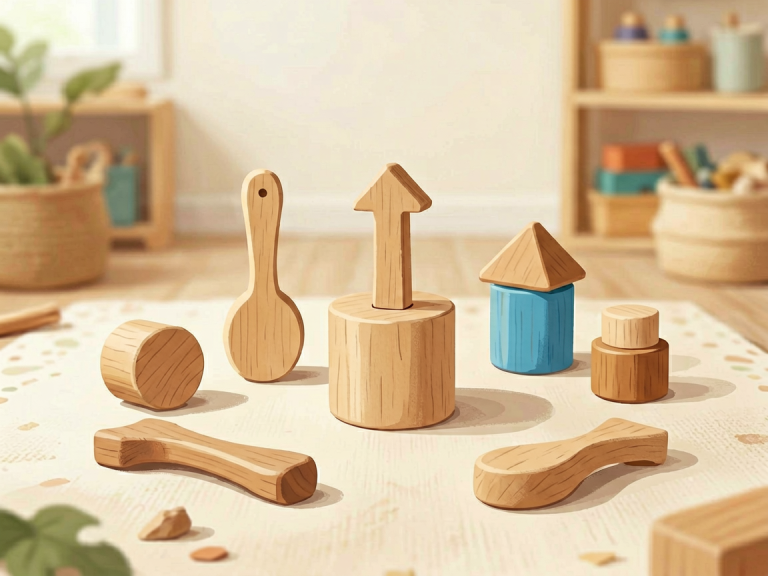
Without pre-programmed actions, a child must invent the story. A set of plain wooden blocks can become a castle, a spaceship, or a garage for toy cars. A simple doll can be a doctor, a teacher, or an astronaut. This type of imaginative play is crucial for developing problem-solving skills, language abilities, and emotional intelligence. Research shows that children who engage in open-ended play are better at self-regulation and creative thinking.
2. Encouraging Physical Activity and Fine Motor Skills
Battery-free toys often require manual manipulation. Building blocks, puzzles, threading beads, and stacking rings all strengthen hand-eye coordination and fine motor control. Outdoor toys like balls, jump ropes, and sand toys promote gross motor development and physical exercise—something battery-operated remote-control cars simply cannot match.
3. Promoting Social Interaction and Language Development
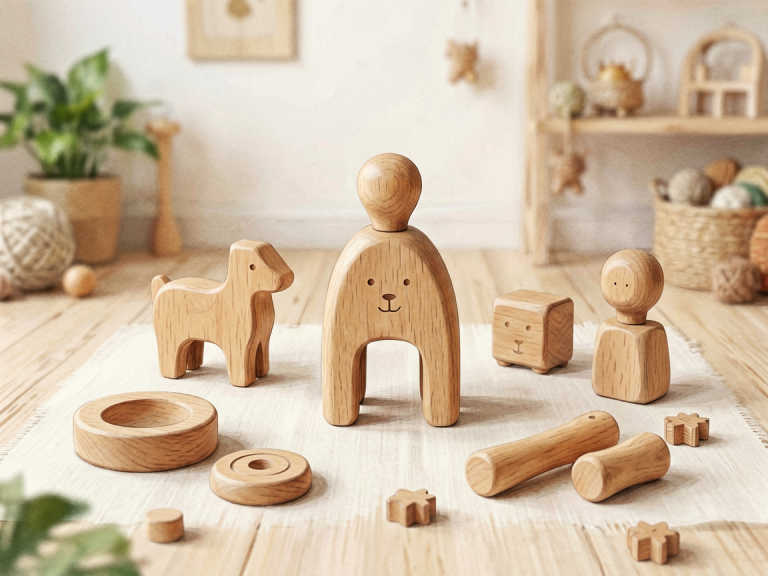
When a toy does not do the talking, children must communicate with each other. Board games, dolls, and construction sets naturally encourage turn-taking, negotiation, and conversation. A battery-powered toy that sings its own songs may actually discourage a child from singing or speaking because the toy “does it for them.” In contrast, a simple set of animal figurines can spark elaborate dialogues between siblings or friends.
4. Environmental and Financial Sustainability
Battery-free toys are typically made from durable materials like wood, fabric, or metal. They require zero ongoing costs for power, and many are biodegradable or recyclable. By choosing such toys, parents reduce their carbon footprint and teach children the value of resourcefulness.
—
Types of Battery-Free Toys to Consider
Not all battery-free toys are created equal. Here are some categories that consistently deliver high play value:
1. Building and Construction Sets
Classic wooden blocks, magnetic tiles (like Magna-Tiles), and interlocking plastic bricks (like LEGO, which are manual but not battery-dependent) allow children to build anything they can imagine. They teach spatial reasoning, balance, and persistence.
2. Art and Craft Supplies
Crayons, markers, clay, modeling dough, scissors, glue, and paper offer infinite possibilities. Children can create their own toys—a paper airplane, a clay animal, a painted rock. These activities develop fine motor skills and self-expression.
3. Puzzles and Brain Teasers
From simple jigsaw puzzles to tangrams and Rubik’s Cubes, these toys challenge logic and patience without needing power. They are excellent for quiet time and can be enjoyed solo or with family.
4. Pretend Play Props
Dolls, action figures, wooden kitchens, play food, dress-up costumes, tool sets, and tea sets all encourage role-playing. They help children make sense of the adult world and develop empathy.
5. Outdoor and Movement Toys
Balls of all sizes, hula hoops, jump ropes, scooters (non-motorized), kites, frisbees, and sand toys keep children active. Nature-based play—collecting leaves, digging, building forts—also falls into this category.
6. Musical Instruments
Simple instruments like drums, xylophones, maracas, and tambourines produce sound through physical action, teaching rhythm and cause-and-effect. Avoid electronic keyboards that require batteries; instead, opt for a real (or toy) acoustic instrument.
7. Board Games and Card Games
Classic board games like *Candy Land*, *Chutes and Ladders*, *Uno*, or *Memory* require no batteries and teach counting, strategy, and sportsmanship. For older children, chess, checkers, and dominoes are great options.
—
Tips for Choosing Battery-Free Toys That Kids Actually Love
Even the best battery-free toys can fail if they don’t match a child’s developmental stage or interests. Here are practical guidelines:
1. Prioritize Open-Endedness
Look for toys that can be used in multiple ways. A simple set of rainbow-colored wooden rings can be stacked, sorted, used as bracelets, or even rolled like wheels. Avoid toys that have a single, fixed purpose (like a plastic toy that only makes one sound or one motion).
2. Consider Durability and Safety
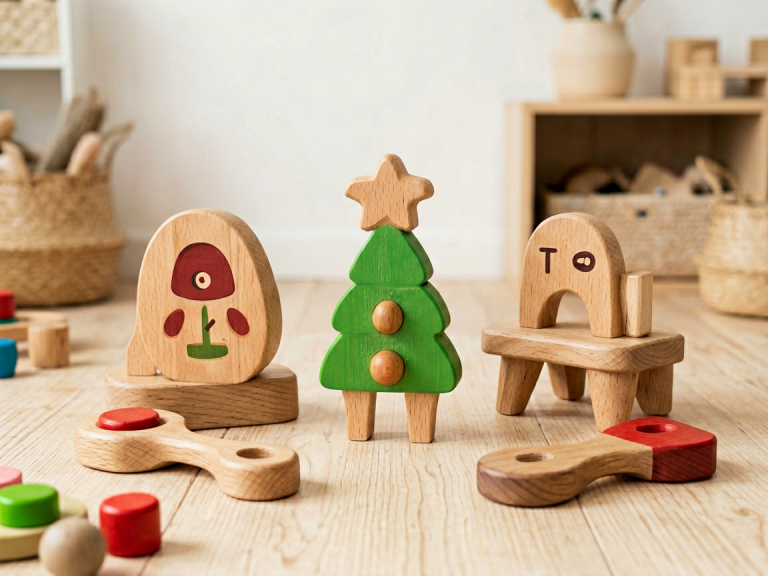
Check for non-toxic materials, smooth edges, and sturdy construction. Avoid small parts for children under three. Wooden toys should be finished with water-based, child-safe paint or varnish. Fabric toys should be machine-washable.
3. Match the Toy to the Child’s Interests
A child who loves animals will adore a set of realistic animal figurines. A child who loves fixing things will enjoy a wooden tool bench. Observe your child’s natural curiosities and lean into them. Battery toys often try to appeal to every child at once, but a focused, simple toy can spark a lifelong passion.
4. Quality Over Quantity
Resist the urge to buy dozens of cheap plastic toys that are likely to break or be forgotten. Instead, invest in a few high-quality items that will last. A single well-made wooden train set can provide years of joy, while a box of plastic battery-powered cars may be discarded in weeks.
5. Involve the Child in the Selection Process
When shopping, let your child hold and examine a potential toy. Ask open-ended questions: “What could you do with this?” “How many ways could you play with it?” If the child’s answers are imaginative and varied, it’s a good sign.
6. Rotate Toys to Keep Interest Fresh
Even the best battery-free toys can feel stale after months of exposure. Store some toys away and rotate them every few weeks. This reduces clutter and reignites excitement without needing to buy new items.
—
How to Engage Kids with Non-Battery Toys After the Initial Honeymoon
Sometimes a child may initially reject a simple toy because they are used to the instant gratification of battery-powered flashing lights. Here’s how to help children discover the joy of battery-free play:
1. Play Along with Them
Sit down and model how to use the toy creatively. For example, with a set of wooden blocks, start building a tower and say, “I wonder if we can make a bridge. What do you think?” Your enthusiasm is contagious.
2. Limit Screen Time and Battery Toy Exposure
If a child is constantly surrounded by electronic toys, their expectations will be shaped by them. Gradually reduce access to battery-powered toys and replace them with simpler options. The transition may take a week or two, but children will adapt.
3. Encourage Storytelling
Use figurines or dolls to start a narrative: “This little bear is lost in the forest. How can she find her way home?” Children will naturally take over the story and become deeply engaged.
4. Join a Toy Library or Swap with Friends
Many communities have toy libraries where you can borrow high-quality wooden toys or puzzles. Swapping with other families also introduces variety without cost.
—
Conclusion
Choosing toys that do not need batteries is not about depriving your child of fun—it is about offering them a richer, more sustainable, and more developmentally appropriate play experience. Battery-free toys invite children to become creators, thinkers, and problem-solvers rather than passive consumers of entertainment. They foster deeper connections with others, encourage physical activity, and teach the value of patience and imagination. As a parent, you have the power to shape your child’s play environment. By intentionally selecting toys that rely on the only true power source—a child’s mind—you are giving them a gift that no battery can ever provide: the joy of discovering their own boundless creativity. So next time you see a toy with a blinking light and a tempting jingle, pause. Ask yourself: Will this spark my child’s imagination, or will it simply spark a battery change? The answer will guide you toward a simpler, more meaningful playroom—and a happier, more resourceful child.