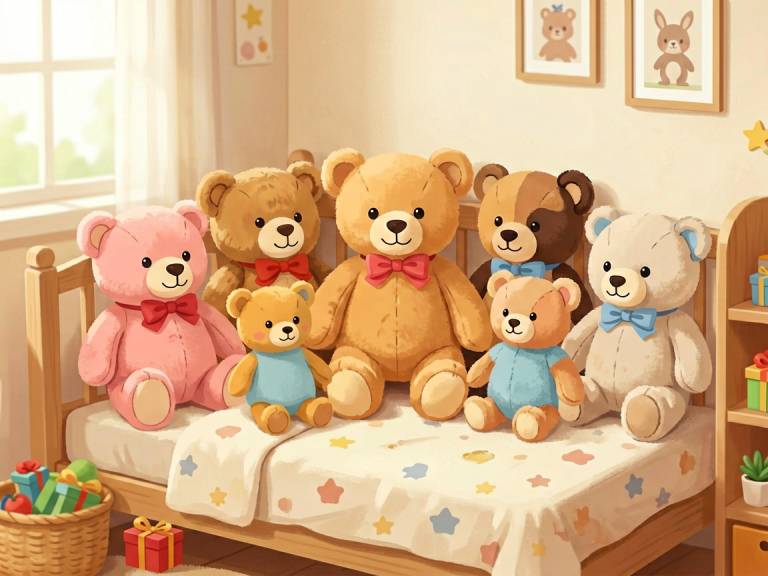
The Complete Parent Guide to Buying Plush Toys for 6-Month-Olds: Safety, Development, and Joy
—
Introduction: Why Plush Toys Matter at This Milestone
At six months old, your baby is undergoing a remarkable transformation. They are beginning to sit with support, reach for objects with purpose, and explore the world through touch, sight, and sound. Plush toys—soft, cuddly, and often colorful—can be wonderful companions during this stage. But not all plush toys are created equal, and choosing the right one for a six-month-old requires careful thought. This guide will walk you through every consideration, from safety standards to developmental benefits, so you can make an informed and loving purchase.
—
Safety First: Non-Negotiables for 6-Month-Olds
The most critical factor when buying a plush toy for a six-month-old is safety. At this age, babies are still mouthing everything—their primary way of exploring objects. Therefore, any toy you choose must meet strict safety criteria.
No Small Parts or Detachable Elements
Six-month-olds have a strong grasp but lack fine motor control. Buttons, plastic eyes, ribbons, or any small parts that can be pulled off pose a serious choking hazard. Look for toys where facial features and decorations are embroidered or securely sewn, not glued or attached with small plastic pieces. The same goes for tags: remove them or ensure they are sewn into a seam that cannot be chewed off.
Sturdy Seams and Durable Construction
Check that all seams are double-stitched and reinforced. Pull gently on arms, legs, tails, and ears—if they come loose easily, the toy is not safe. A six-month-old will tug, shake, and gnaw on the toy, so it must withstand rough handling without breaking apart.
Hypoallergenic and Non-Toxic Materials
Look for plush toys labeled as free from phthalates, lead, BPA, and other harmful chemicals. For babies with sensitive skin or allergies, choose toys made from organic cotton or bamboo fibers. Avoid toys with long, fuzzy fibers that can shed and cause respiratory irritation. The stuffing should also be non-toxic—opt for polyester fiberfill that is labeled as safe for infants.
Size Matters: No Small Enough to Swallow, No Big Enough to Suffocate
The toy should be too large to fit entirely into your baby’s mouth. A general rule: the toy should be at least 4–5 inches in diameter. However, it should also not be so large that it could cover the baby’s face and impede breathing. For a six-month-old, a toy about the size of a small pillow (roughly 8–10 inches) is often ideal—easy to hug but not obstructive.
No Loose String, Ribbon, or Fringe
Even a short ribbon can pose a strangulation risk if wound around a baby’s neck or fingers. Avoid plush toys with dangling ribbons, decorative bows, or long fringed edges. If the toy has a loop for hanging, ensure it breaks away under pressure (a “breakaway” loop) or remove it entirely.
—
Material Matters: Choosing the Right Fabric and Stuffing
The feel of the plush toy is just as important as its safety. At six months, babies are highly tactile learners. The fabric should be soft, breathable, and gentle on delicate skin.
Best Fabrics for 6-Month-Olds
- *Organic Cotton Velour or Terry Cloth*: These are incredibly soft, absorbent (great for drool), and hypoallergenic. They are also machine-washable, which is a must.
- *Short-Pile Polyester Fleece*: Commonly used in baby toys, this fabric is soft, non-shedding, and easy to clean. Avoid long-pile “furry” fabrics that can release fibers.
- *Muslin or Bamboo Blends*: Lightweight and breathable, these are perfect for warmer climates or for babies who tend to overheat while clutching a toy.
Stuffing That Poses No Risk
Traditional polyester fiberfill is the most common stuffing and is generally safe if the toy is well-made. However, avoid toys stuffed with polystyrene beads, microbeads, or small pellets—these can leak out if the toy’s seam breaks and become a choking hazard. Some eco-friendly options use kapok (a natural plant fiber) or organic cotton stuffing, which are excellent for babies with allergies, though they may require more careful washing.
Machine-Washability: A Non-Negotiable
A six-month-old will drool, spill formula, and possibly vomit on the toy. The plush toy must be able to withstand frequent washing without losing shape or color. Check the care label: look for “machine washable, tumble dry low.” Avoid toys with “spot clean only” instructions unless you are prepared for a very short toy lifespan.
—
Size and Shape: What Works Best for Tiny Hands
At six months, your baby is just learning to grasp and transfer objects from one hand to another. The shape of the plush toy can significantly influence how they interact with it.
Ideal Proportions
A toy that is too large will frustrate a baby trying to pick it up; one that is too small can be easily lost or dropped. Aim for a toy that is roughly the size of your baby’s torso—about 8 to 12 inches from head to toe. This allows them to wrap their arms around it comfortably.
Easy-to-Grip Features
Look for toys with distinct body parts—a head, arms, legs, or a tail—that provide natural handholds. Some plush toys come with a soft strap or handle sewn across the body, which makes it easier for a baby to lift the toy. Avoid toys with very thin, floppy limbs that are hard for little hands to grasp.
Weight and Density
The toy should be lightweight—under 200 grams (about 7 ounces). A heavy plush toy can be difficult for a six-month-old to lift or could hurt if dropped on their face. Also consider the squish factor: a toy that is too dense (like a memory-foam filled animal) will not offer the satisfying sensory feedback of a softer, malleable toy.
Shape Variety: Animals, Abstract, or Comfort Objects
Classic animal shapes (bears, bunnies, dogs) are popular, but abstract shapes—like a soft star, a round “lovey” blanket with a plush head, or a simple cube—can also be excellent. “Crinkle” toys that have a built-in crinkle paper inside a plush exterior are especially engaging for six-month-olds, as they combine softness with sound.
—
Sensory Development: How Plush Toys Stimulate Learning
A plush toy is not just a comfort object; it is a tool for sensory and cognitive development. At six months, babies are actively integrating information from multiple senses.
Visual Stimulation
Choose toys with high-contrast colors—black, white, red, and bright primary colors are most visible to a six-month-old. Avoid toys that are all one pastel shade, as they may not capture attention. Patterns like stripes, polka dots, or simple faces (two eyes, a nose, a mouth) help babies practice focusing and recognizing shapes. The face should be simple and friendly—a happy expression is best.
Auditory Features
Many plush toys for this age include a gentle rattle, a crinkle sound, or a squeaker. These sounds encourage cause-and-effect learning: “When I squeeze this, it makes a noise!” However, ensure the noisemaker is securely enclosed inside the toy and cannot be removed. Avoid toys with loud, jarring noises that might startle the baby.
Tactile Variety
Textures are crucial. Look for toys that incorporate multiple fabrics: a smooth satin tag, a bumpy rubbery ear, a fluffy tummy, or a knotted ribbon (securely sewn). These variations help develop tactile discrimination and curiosity. Some plush toys have a “teether” component—a silicone or rubber ring attached to the toy—which is excellent for gumming and soothing sore gums.
Weight and Temperature Sensation
A plush toy that has a small, removable warming pad (filled with flaxseed or lavender, but sealed inside a separate pocket) can be microwaved for a few seconds to provide comforting warmth. Alternatively, some toys have a chilled gel insert for teething relief. Always follow safety instructions exactly and never leave a warming pad with a baby unattended.
—
Cleaning and Maintenance: Keeping the Toy Safe and Hygienic
Given the amount of drool, milk, and saliva a six-month-old produces, your plush toy will need regular cleaning. But improper cleaning can damage the toy or introduce mold and bacteria.
Daily Care Tips
- Spot-clean with a mild, baby-safe detergent and warm water after each use.
- Air-dry the toy thoroughly before giving it back to the baby—damp toys can grow mildew.
- If the toy has a removable cover or is a “lovey” style with a separate plush head, check that the inside fabric is also breathable.
Machine Washing Protocol
- Before washing, place the toy in a mesh laundry bag or a pillowcase to protect it from snagging.
- Use a gentle cycle with cold or lukewarm water and a baby-safe, fragrance-free detergent.
- Do not use bleach or fabric softener, as these can irritate skin and degrade the fabric.
- After washing, reshape the toy while damp and air-dry or tumble dry on low heat. Check that all seams remain intact after drying.
When to Replace the Toy
Inspect the toy weekly for loose threads, popped seams, or thinning fabric. A plush toy that has lost its shape or started to shed should be retired. For safety, replace any toy that shows signs of wear, because a six-month-old will not hesitate to chew on a frayed edge.
—
How to Introduce the Plush Toy to Your Baby
Even the best plush toy requires proper introduction to maximize its benefits and ensure safety.
Start with Playtime Supervision
Never leave a baby alone with a plush toy for long periods initially. Show the toy to your baby while they are sitting in your lap or in a high chair. Gently rub the toy against their cheek, let them feel the texture, and shake it to make a sound. This builds familiarity.
Use It for Tummy Time
Place the plush toy just out of reach during tummy time. The enticing toy encourages the baby to lift their head and practice reaching, strengthening neck, arm, and core muscles. Choose a toy that is light enough for the baby to eventually pull toward themselves.
Incorporate into Bedtime Routine
A soft, safe plush toy can become a sleep aid. However, the American Academy of Pediatrics recommends keeping soft objects out of the crib until at least 12 months of age to reduce the risk of Sudden Infant Death Syndrome (SIDS). Instead, use the toy during cuddling before putting the baby down, then remove it from the crib. After the first birthday, you can allow a small, firm, breathable plush toy in the crib.
Encourage Interactive Play
Hide the toy behind your back and then bring it out with a “peek-a-boo!” action. Six-month-olds love this game and it fosters object permanence. You can also gently bounce the toy on your baby’s tummy or legs, naming the toy’s body parts (“Look, the bunny’s ears! Wiggly wiggly!”).
—
Final Tips for Parents: Making the Best Choice
Before making a purchase, run through this mental checklist:
- Is it safe? No detachable parts, no small beads, no long strings. All seams strong.
- Is it washable? Machine-washable and dryer-friendly.
- Is it sensory-rich? High contrast colors, multiple textures, gentle sound.
- Is it the right size? Big enough not to swallow, small enough to hug.
- Is it age-appropriate? Labelled for 0+ months, but always trust your own inspection over the label.
Remember that a six-month-old’s plush toy is a pure sensory companion—it is not a toy for complex games. Choose one that you, as a parent, also find soft and appealing, because you will be washing, holding, and possibly nursing while clutching it many times. A quality plush toy can become a treasured lovey for years to come. Invest the time in selection, and you’ll gift your baby a safe, joyful, and developmental ally.
—
*Word count: approx. 1,410 words*