Navigating the Playroom: Understanding and Following Toy Trends for 2-Year-Olds
Introduction: The Significance of Play at Age Two
The second year of life is a whirlwind of transformation. Between 24 and 36 months, toddlers undergo a remarkable cognitive, motor, and social leap. They begin to speak in short sentences, imitate adult behaviors, and engage in simple pretend play. Their world expands from the immediate sensory experiences of infancy to a realm of curiosity, cause-and-effect exploration, and budding independence. For parents, caregivers, and educators, choosing the right toys during this critical window is not merely a matter of entertainment—it is an investment in development. Following toy trends for 2-year-olds has become a nuanced practice that blends developmental psychology, safety standards, and shifting cultural values. Today’s trends are less about fleeting fads and more about aligning playthings with how toddlers naturally learn. This article explores the most prominent toy trends for two-year-olds, examining why they matter, how to evaluate them, and how to incorporate them wisely into a child’s daily life.
Key Trends in Toys for Two-Year-Olds (2024–2025)
Sensory and Montessori-Inspired Toys
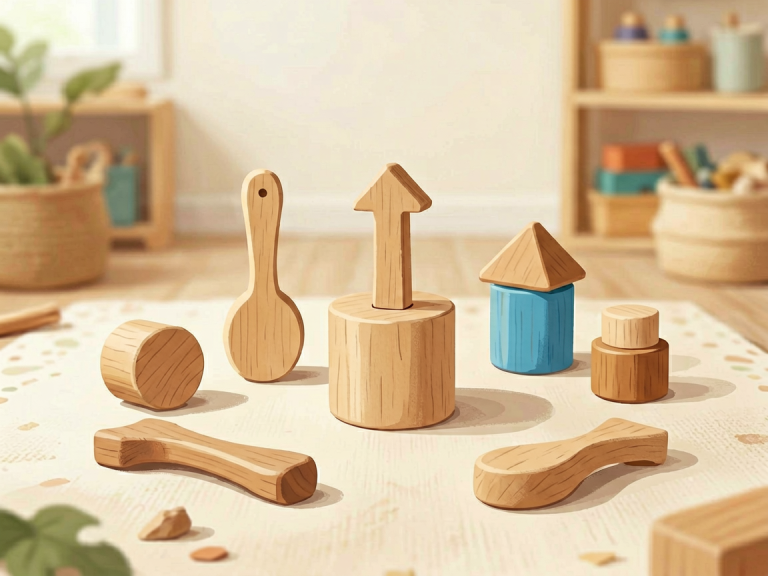
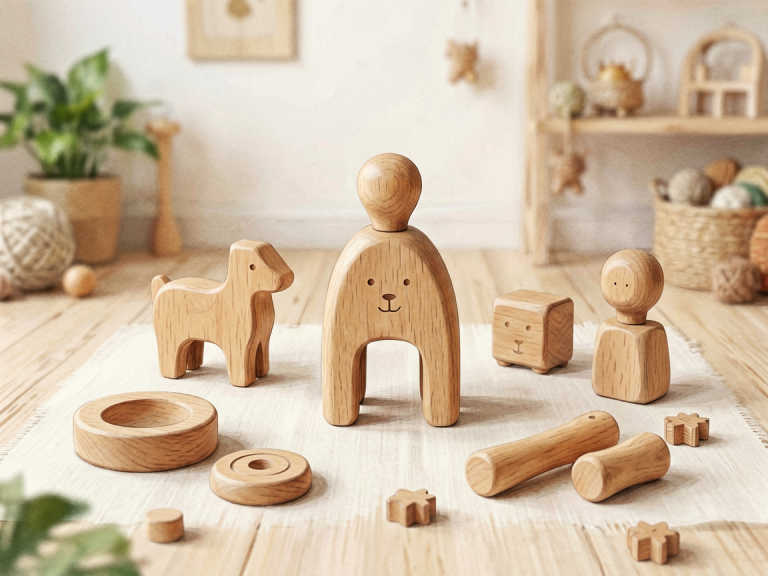
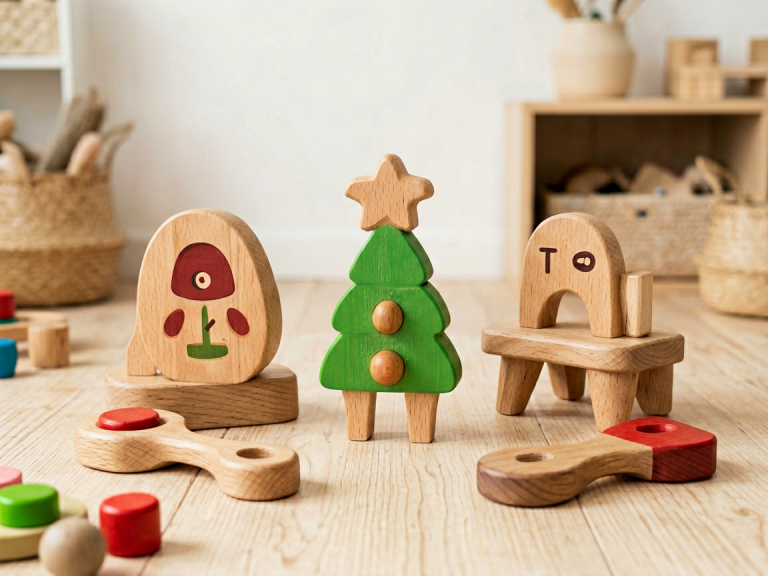
One of the most enduring and influential trends in toddler toys is the embrace of sensory-rich, Montessori-inspired materials. These toys prioritize simplicity, natural textures, and self-directed learning. For a two-year-old, sensory play is not a luxury—it is a necessity. At this age, the brain is building neural connections at an astonishing rate, and tactile, auditory, and visual stimuli fuel that growth. Popular items include wooden shape sorters, stacking rings made of smooth beechwood, fabric sensory boards with zippers, buttons, and Velcro, and water-play tables that encourage scooping and pouring. The Montessori philosophy, which emphasizes child-led exploration and “real” materials over plastic, battery-operated gadgets, has influenced mainstream toy manufacturers. Parents are increasingly drawn to open-ended wooden blocks, nesting cups, and puzzles with large knobs because these toys allow a toddler to repeat actions, make mistakes, and solve problems at their own pace. Following this trend means looking for toys that are aesthetically pleasing, durable, and intentionally simple—a stark contrast to the overstimulating, flashy options that dominated previous decades.
STEM Beginnings: Early Problem-Solving
Another significant trend is the introduction of STEM (Science, Technology, Engineering, and Mathematics) concepts in age-appropriate formats for two-year-olds. Of course, a two-year-old will not be building a rocket, but they are perfectly capable of exploring basic principles of gravity, balance, and cause and effect. Magnetic tile sets with large, easy-to-grasp pieces have become incredibly popular, allowing toddlers to stack tiles vertically or attach them to a magnetic whiteboard, discovering polarity and structural stability through trial and error. Simple gear toys, where turning one wheel makes others spin, teach the fundamentals of mechanical movement. Water and sand tables with ramps, tubes, and funnels introduce early physics concepts. The key is that these toys do not require instruction; they invite discovery. The trend reflects a broader cultural shift toward valuing cognitive skills from an early age, but it is executed in a way that respects the toddler’s need for free exploration rather than structured lessons. Parents following this trend should prioritize toys that are hands-on, safe, and built for repetition, as toddlers learn best through repeated experimentation.
Open-Ended Play: Blocks, Loose Parts, and Imaginative Play
Perhaps the most celebrated trend among child development experts is the movement toward open-ended play. Unlike toys with a single, predetermined function (such as a talking telephone that only plays one script), open-ended toys can be used in countless ways. For a two-year-old, this includes classic wooden unit blocks, but also “loose parts” such as large corks, fabric scraps, cardboard tubes, and smooth stones. These items become anything the child imagines: a block can be a phone, a car, a tower, or a stepping stone. The trend has gained traction because research consistently shows that open-ended play fosters creativity, problem-solving, language development, and social skills. Toy companies have responded with sets that combine blocks with character figures, animal sets, and vehicles that are simple enough to allow for narrative play. Play kitchens, tool benches, and dollhouses remain perennial favorites, but modern versions emphasize real-world simplicity—wooden fruit that can be “cut” with a wooden knife, or a play sink with a pump that actually moves water. Following this trend means resisting the urge to buy too many specific-character toys and instead investing in a versatile collection that grows with the child.
Technology in Moderation: Interactive Electronic Toys
While the pendulum has swung away from excessive screen time, technology has not been entirely banished from the toddler toy aisle. The trend now is toward *moderate* and *purposeful* technology. Interactive toys that respond to a child’s actions—such as a talking book that reads a page when touched, or a simple musical instrument that lights up when a key is pressed—can support cause-and-effect learning and early literacy. However, experts caution that these toys should not replace human interaction or hands-on play. The best tech toys for two-year-olds are those that encourage physical movement, social engagement, or imaginative play. For example, a toy microphone that echoes the child’s voice in a silly way can prompt vocal experimentation and laughter. A simple tablet app designed for toddlers, used with a parent for 10–15 minutes a day, can teach matching or animal sounds. The trend is to use technology as a tool, not a babysitter. Parents following this trend should look for toys labeled with volume control, short session limits (or none at all), and a focus on active participation rather than passive watching.
Developmental Milestones and Toy Selection
Understanding the developmental milestones of a two-year-old is essential for making sense of these trends. At 24 months, most toddlers can walk steadily, run, climb stairs with assistance, and push or pull toys. Their fine motor skills are advancing: they can scribble with a crayon, turn the pages of a board book (often several at once), and build a tower of four or more blocks. Language explodes, with a vocabulary of 50–200 words and the ability to combine two words into simple phrases. Socially, they engage in parallel play (playing alongside, but not with, other children) and begin to show empathy and imitate adult roles. Toys that match these milestones are not just trendy—they are developmentally appropriate. For example, a push-along toy with a handle, such as a wooden lawn mower or a shopping cart, supports gross motor development and imitative play. Simple puzzles with four to six pieces reinforce hand-eye coordination and shape recognition. Age-appropriate musical instruments, like shakers and xylophones, support auditory discrimination and rhythm. When following trends, it is critical to check the manufacturer’s age recommendations and to observe the child’s own interests. A trendy toy is only beneficial if it meets the child where they are developmentally, not where marketers or peers think they should be.
Safety Considerations: Choking Hazards, Materials, and Durability
No discussion of toy trends for two-year-olds would be complete without addressing safety. Two-year-olds are notorious for putting objects in their mouths—they explore through taste and touch. Choking hazards remain the number one concern. Small parts, detachable buttons, and anything that fits inside a choke tube (approximately 1.25 inches in diameter) should be avoided. The trend toward natural materials like wood and organic cotton has a built-in safety advantage: these materials are less likely to contain harmful chemicals like BPA, phthalates, or lead found in some cheaper plastics. However, parents must be vigilant—not all wooden toys are equal. Look for non-toxic, water-based paints, smooth finishes without splinters, and sturdy construction that can withstand the enthusiastic banging typical of a two-year-old. Another trend worth following is the growing emphasis on sustainability and ethical production. Many brands now use FSC-certified wood, recycled packaging, and fair-trade labor. While these considerations may seem secondary to safety, they reflect a broader trend of conscious consumerism that benefits children’s health and the environment. Always inspect toys regularly for wear and tear—cracks, loose pieces, or peeling paint—and remove any that become unsafe.
How to Follow Trends Without Overwhelming Your Child
With so many trends competing for attention, it is easy for parents to feel pressured to buy everything. However, experts advise a more mindful approach. The most important principle is quality over quantity. A two-year-old’s play space does not need to resemble a toy store. In fact, too many toys can lead to overstimulation and reduced focus. A curated selection of six to eight high-quality, trend-aware toys—one that includes a sensory item, a stacking or building set, a pretend-play prop, a puzzle, a push toy, and a musical instrument—is far more beneficial than dozens of cheap, disposable options. Rotating toys every few weeks keeps novelty alive without overwhelming the child. Following trends should also involve observation: watch what your two-year-old gravitates toward naturally. If they love to imitate sweeping, a child-sized broom set is a better investment than the latest sensory table. If they are fascinated by doors and hinges, a busy board with latches and locks will be a hit. Trends provide inspiration, but the child’s unique personality should guide the final decision. Finally, remember that the best “toy” for a two-year-old is often the parent’s face, voice, and undivided attention. Trends come and go, but the relationship between caregiver and child remains the cornerstone of healthy development.
Conclusion: Balancing Trends with Individual Needs
Following toy trends for two-year-olds is a balancing act. On one hand, trends reflect valuable insights from child development research, safety improvements, and cultural shifts. The move toward natural materials, open-ended play, and STEM-friendly exploration represents a genuine advancement in how we support early learning. On the other hand, trends can create anxiety—the fear that a child will miss out if they do not have the latest educational gadget. The truth is that two-year-olds are remarkably resilient and resourceful. A cardboard box, a set of measuring cups, and a pile of leaves can provide as much developmental benefit as any store-bought trend. The key is to stay informed, trust your instincts, and prioritize connection over consumption. Whether you choose a sleek Montessori wooden puzzle or a vintage pull-along duck, the most important thing is that you play with your child. Talk to them, describe what they are doing, ask simple questions, and celebrate their discoveries. That interaction—more than any toy—is what truly shapes a two-year-old’s mind and heart. So, by all means, follow the trends. But let your child’s smile, curiosity, and joy be the ultimate guide.